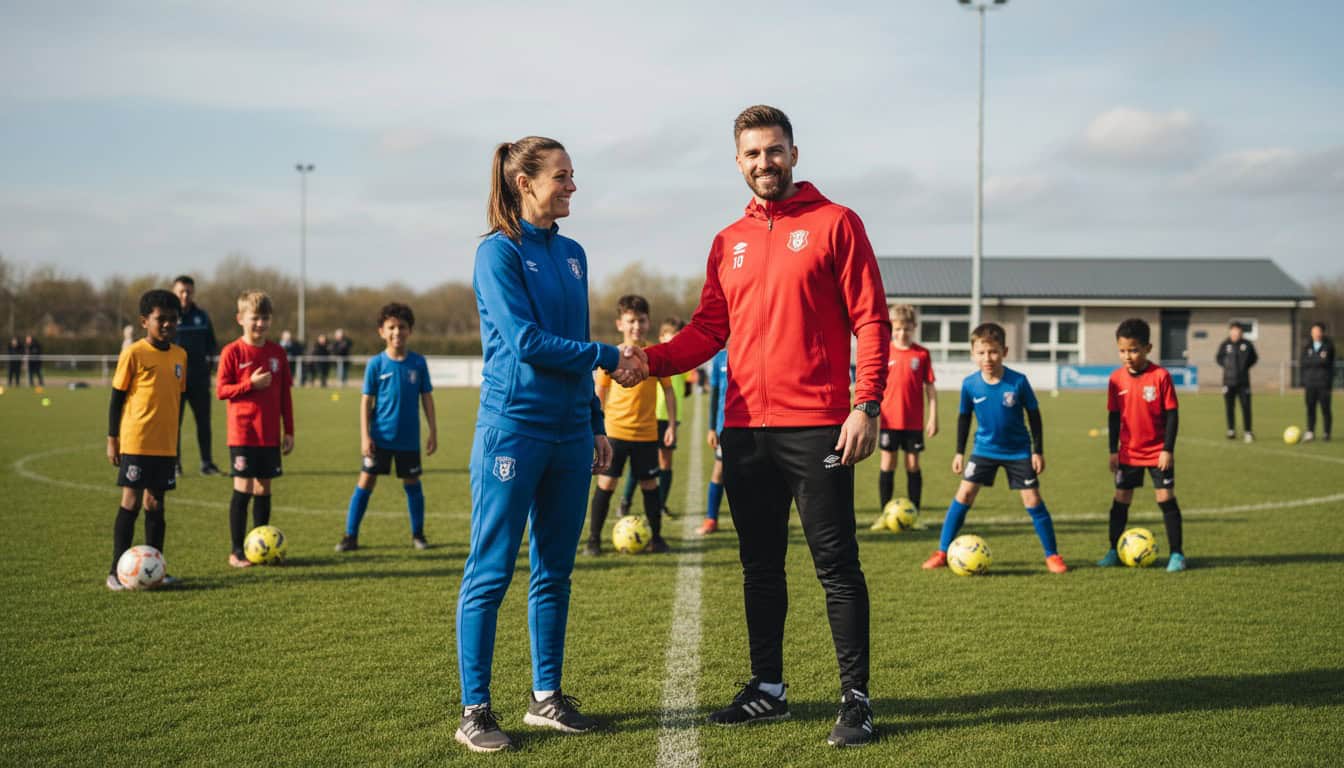
Finding opponents for friendly matches involves a mix of local networking, online platforms, and proactive outreach. The most effective methods are using dedicated match-finding platforms, contacting local leagues, and building relationships with nearby clubs. Teams that combine 2-3 approaches typically secure regular opponents within 2-4 weeks.
Key Takeaways
- Match-finding platforms connect teams actively looking for opponents, with built-in scheduling and communication
- Local league contacts often have access to teams seeking additional fixtures outside regular competition
- Social media outreach through football groups on Facebook and LINE reaches thousands of teams weekly
Why Finding Quality Opponents Matters
Friendly matches serve a purpose beyond filling the calendar. They provide opportunities to test tactics, give playing time to squad members, and build team cohesion without the pressure of league points. The challenge most team managers face isn't finding any opponent—it's finding the right opponent at the right time.
Quality opposition matches your skill level, shows up reliably, and respects agreed-upon match rules. Based on feedback from 500+ teams using match-finding platforms, the average team manager spends 3-5 hours per month coordinating friendly fixtures. With the right approach, that time drops significantly.
The 7 Most Effective Methods
1 Use a Dedicated Match-Finding Platform
Match-finding platforms connect teams actively seeking opponents. Unlike general social media, everyone on these platforms has the same goal: finding matches.
How it works
- Post your availability (date, time, venue)
- Browse other teams looking for opponents
- Filter by location, age group, and skill level
- Send match requests directly through the platform
Why this method works
Teams on match-finding platforms are already looking for opponents. You're not cold-calling clubs that may or may not be interested—you're connecting with teams that have already indicated availability.
Best for: Teams wanting a steady stream of opponent options with minimal coordination overhead.
2 Contact Local League Administrators
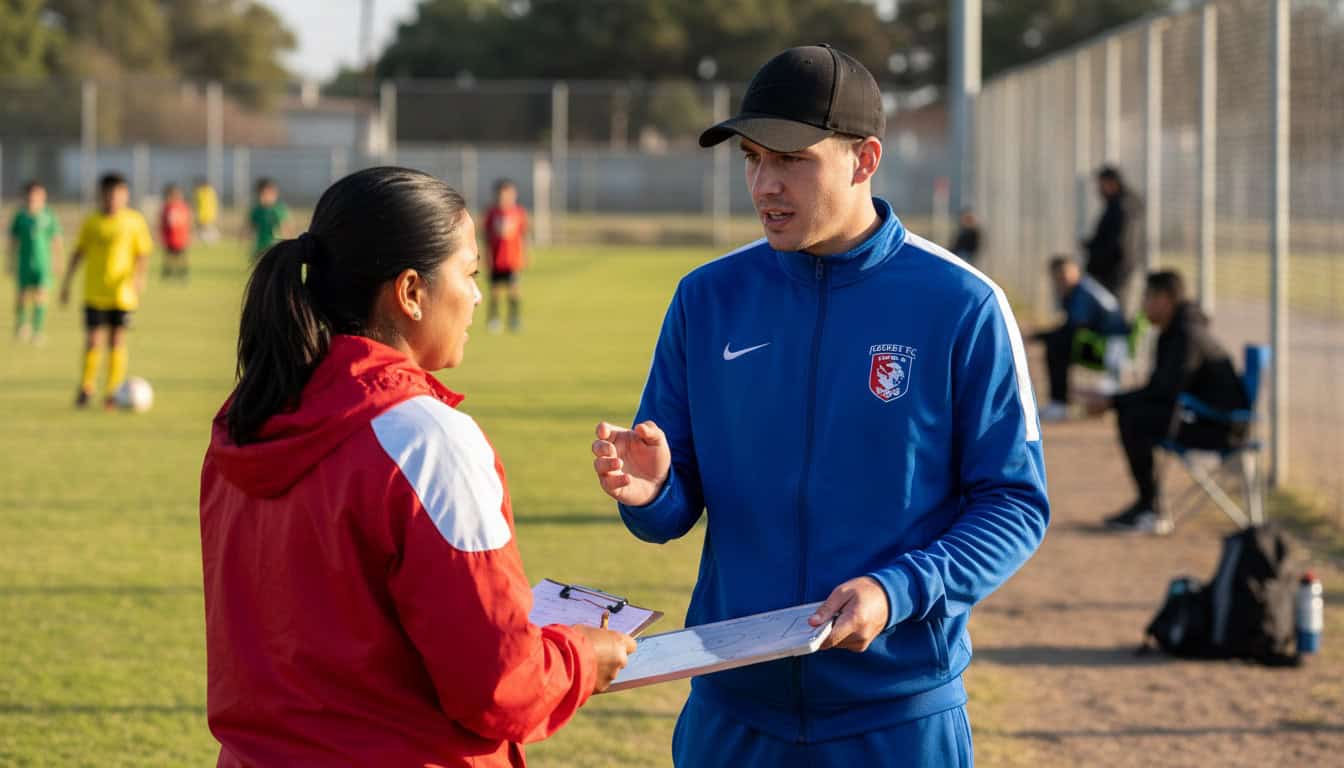
League administrators know which teams are looking for additional matches. Many teams in leagues want friendly fixtures during bye weeks, between seasons, or when they have extra players available.
How to approach
- Email your local league office
- Ask if they maintain a list of teams seeking friendlies
- Request to be added to any match coordination communications
- Offer to be available for teams needing last-minute opponents
Pro Tip
League administrators often need teams to fill gaps when scheduled matches fall through. Let them know you're available for short-notice fixtures—you'll get called first when opportunities arise.
Best for: Teams wanting to stay within their competitive ecosystem and skill level.
3 Join Football Community Groups on Social Media
Facebook groups, LINE communities, and WhatsApp groups dedicated to local football are goldmines for finding opponents. Many cities have groups with thousands of active members.
Groups to search for
- "[Your City] Football Teams"
- "[Your District] Amateur Football"
- "[Your Sport] Friendly Matches [Region]"
- "[Age Group] Football [Location]"
How to post effectively
- Include your squad details (age group, skill level)
- Specify dates and times you're available
- Mention your home venue location
- Add contact information for quick response
"U15 Competitive team in [District] looking for friendly matches. Available Saturdays 10am-12pm, home venue with grass pitch. Contact: [Phone/LINE]"
Best for: Teams comfortable with direct communication and willing to filter through responses.
4 Reach Out to Nearby Schools and Academies
Schools and academies often have multiple squads that need regular match practice. They welcome opportunities to schedule friendlies, especially during term breaks or pre-season periods.
Contacts to approach
- PE department heads
- After-school sports coordinators
- Youth academy directors
- University sports clubs
What to include in your outreach
- Your organization type and credibility
- Age groups you're looking to match
- Preferred dates and times
- Your home venue details (or flexibility on away matches)
Timing Tip
Schools plan their calendars far in advance. Reaching out 4-6 weeks before your desired match dates increases your success rate.
Best for: Youth teams and academies seeking age-appropriate competition with verified organizations.
5 Attend Local Football Events and Tournaments
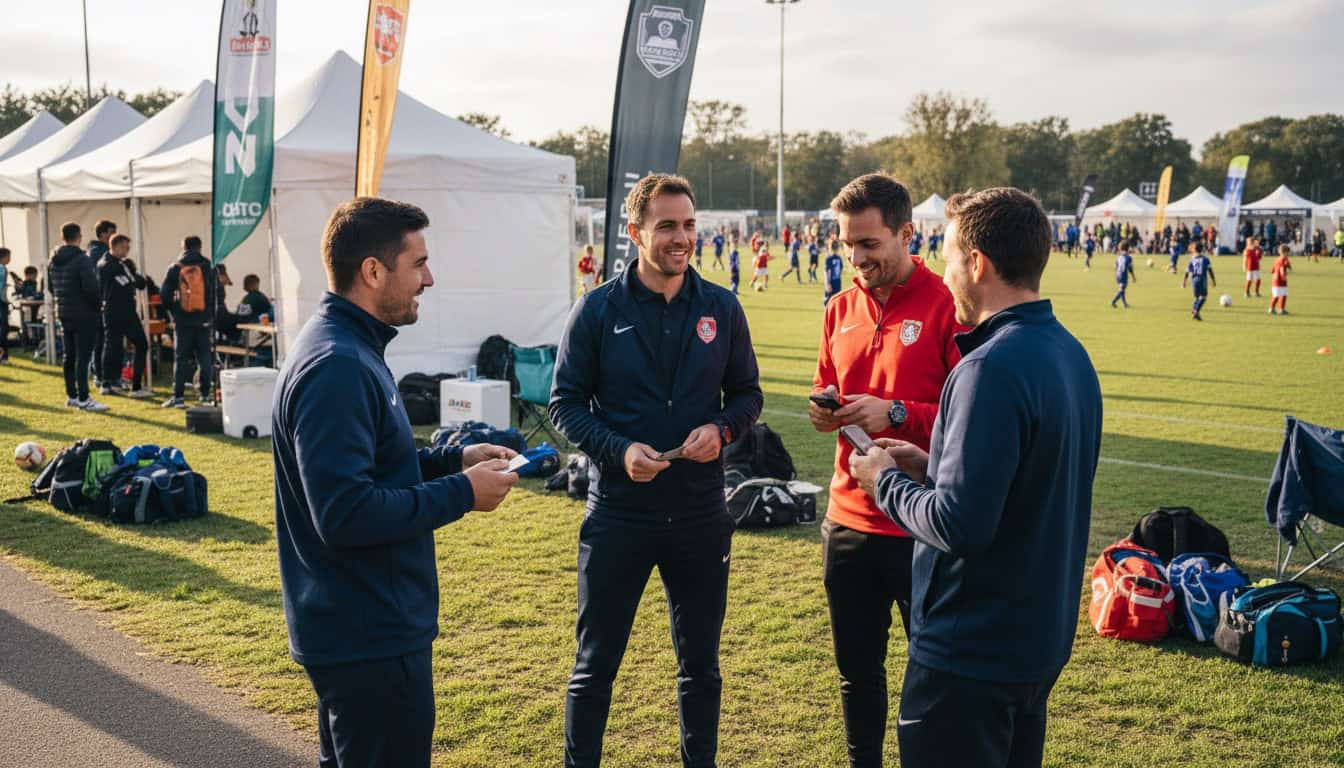
In-person networking remains one of the most effective ways to build a network of regular opponents. Tournaments, coaching clinics, and football festivals put you in direct contact with dozens of team managers.
Events to attend
- Weekend tournaments (even as spectators)
- Coaching certification courses
- Football association meetings
- Sports equipment fairs
- Youth football festivals
Networking approach
- Collect contact details from other team managers
- Exchange information about your team's availability
- Follow up within a week with a friendly introduction
- Propose a specific match date rather than vague "let's play sometime"
Best for: Managers who want long-term opponent relationships rather than one-off matches.
6 Partner with Sports Facilities and Training Centers
Sports facilities host multiple teams weekly. Facility managers often know which teams are looking for opponents and can make introductions.
How to leverage facilities
- Ask your venue's staff which other teams train there
- Request introductions to teams in similar age groups
- Propose sharing pitch rental for friendly matches
- Join facility-organized pickup games to meet other team contacts
Cost-Saving Opportunity
Splitting venue costs makes friendlies more affordable. Many teams are open to 50/50 arrangements for neutral venue matches.
Best for: Teams wanting to find opponents without venue-related logistics.
7 Build a "Regular Opponents" Network
The most sustainable approach is building a small network of 5-10 teams you can call on regularly. Once established, scheduling becomes a matter of simple coordination rather than constant searching.
How to build your network
- After each successful friendly, propose another fixture
- Keep a contact list of responsive team managers
- Offer to fill gaps when other teams need opponents
- Create a group chat with your regular opponents for quick scheduling
Maintaining relationships
- Confirm matches 48 hours in advance
- Communicate promptly about any changes
- Be flexible on venue and timing when possible
- Provide feedback after matches (helpful for development)
Based on teams using Team Game Finder: Organizations with 5+ regular opponent relationships schedule matches 60% faster than those starting from scratch each time.
Best for: Any team wanting long-term scheduling efficiency.
Ready to find matches?
Join verified teams finding friendly matches in minutes, not days.
Which Method Works Best?
| Method | Speed | Reliability | Effort | Best For |
|---|---|---|---|---|
| Match-finding platforms | Fast (days) | High | Low | Regular fixtures |
| League administrators | Medium (1-2 weeks) | High | Medium | Same-level competition |
| Social media groups | Fast (hours-days) | Variable | Medium | Quick scheduling |
| Schools/Academies | Slow (2-4 weeks) | High | Medium | Youth teams |
| Local events | Slow (ongoing) | Variable | High | Long-term networking |
| Facility partnerships | Medium | Medium | Low | Cost-sharing |
| Regular opponent network | N/A (maintenance) | Very High | Low (once built) | All teams |
Getting Started Today
The fastest path to securing your next friendly match:
- Immediate action: Post your availability on a match-finding platform. Teams actively looking for opponents will see your posting within hours.
- This week: Join 2-3 local football groups on social media. Introduce your team and your availability.
- This month: Contact your local league administrator. Ask about teams seeking additional fixtures.
- Ongoing: After each successful match, add that team to your regular opponents list. A network of 5-10 reliable opponents eliminates future searching.
Frequently Asked Questions
What is the fastest way to find opponents for friendly matches?
Using a dedicated match-finding platform typically yields results within 24-48 hours. These platforms connect you directly with teams that have already posted their availability.
How do I find football teams to play against near me?
Start with match-finding platforms that filter by location, then join local football groups on Facebook and LINE. Contacting your local league administrator is also effective.
How much does it cost to organize a friendly match?
Venue costs are the main expense, typically $30-$100 per hour depending on facility quality. Many teams split costs 50/50 with opponents for neutral venue matches.
How far in advance should I schedule friendly matches?
Schedule 2-4 weeks ahead for the best response rates. Schools and academies prefer 4-6 weeks notice. Emergency fill-ins can happen within days if you're flexible.
What information should I include when contacting potential opponents?
Include your team's age group, skill level, preferred dates/times, venue options, and direct contact information. The more specific you are, the faster you'll get responses.
Can youth teams find opponents through social media?
Yes, but it requires more vetting to ensure opponents are legitimate and age-appropriate. Dedicated platforms with verification systems offer more security for youth teams.
What makes a good friendly match opponent?
A good opponent matches your skill level, communicates reliably, shows up on time, and follows agreed-upon match rules. Consistency matters more than winning.
How many regular opponents should a team maintain?
A network of 5-10 regular opponents provides scheduling flexibility. With this many options, you can typically fill any available slot within 24-48 hours.
What should I do if an opponent cancels at the last minute?
Keep a backup list of flexible teams and use platforms with availability features to find replacements quickly. Building a reputation for being available creates reciprocal goodwill.
Is it better to play home or away friendlies?
A mix works best. Home matches are convenient, but away matches test your team's adaptability and reduce your venue costs. Neutral venues work when neither team has suitable facilities.
Ready to find your next match?
Join verified teams finding opponents in minutes.
Create your free accountNo credit card required