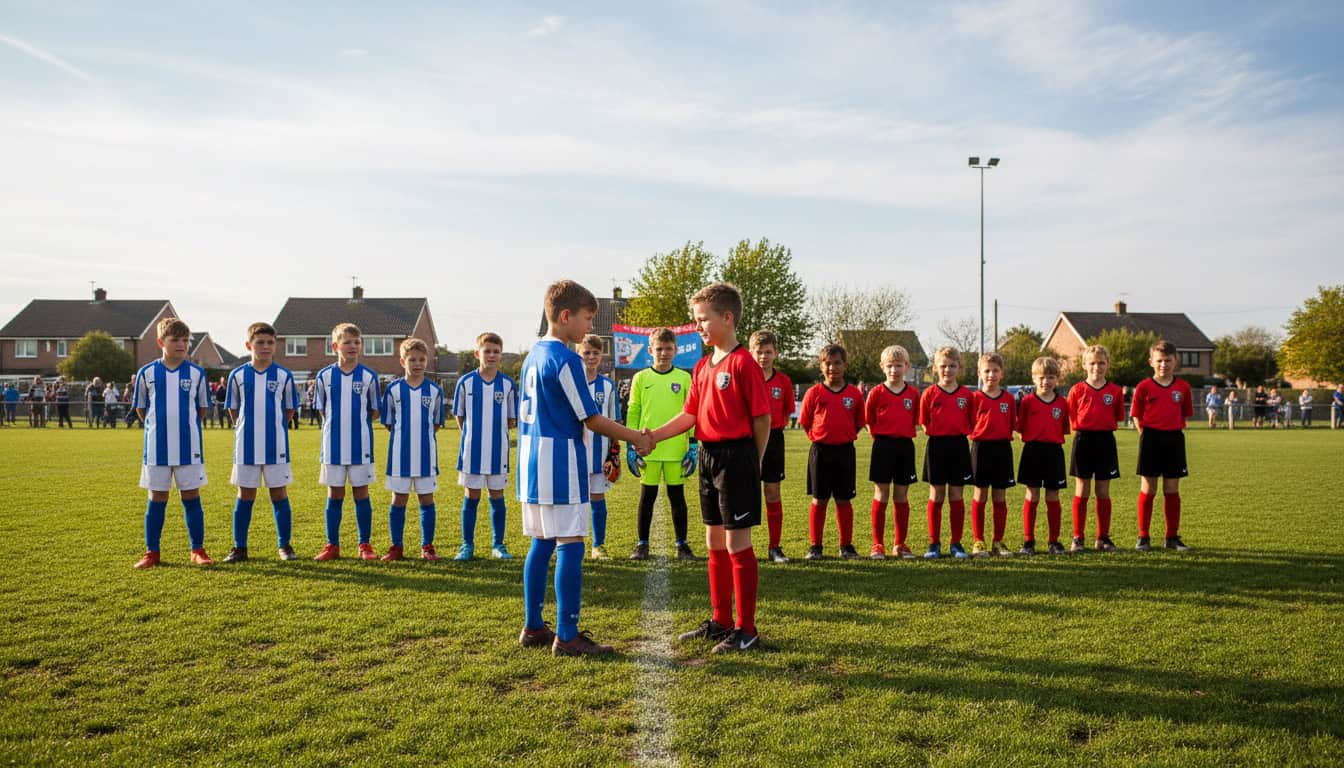
Finding quality opponents for your sports team requires a multi-channel approach: use dedicated match-finding platforms to post your availability, leverage local football associations and league contacts, tap into social media groups in your area, and build relationships with teams you've played previously. The most successful teams combine digital tools with community networking to maintain a steady pipeline of suitable opponents.
Key Takeaways
- 1. Multi-channel approach — Teams finding the most opponents use 3-4 discovery methods simultaneously rather than relying on a single source
- 2. Platform efficiency — Dedicated match-finding platforms reduce search time from days to hours by connecting teams actively seeking matches
- 3. Relationship building — Converting one-time opponents into regular fixtures creates scheduling stability and reduces search effort over time
Why Finding Opponents Is the Biggest Challenge for Team Managers
Every team manager knows the frustration: your squad is ready to play, the venue is booked, but you have no opponent. Unlike league fixtures that arrive pre-scheduled, friendly matches require active effort to arrange.
-
Fragmented communication Teams use different platforms—some are on Facebook, others prefer WhatsApp groups, many still rely on phone calls.
-
Mismatched expectations Wrong age group, skill level, or location leading to wasted time on both sides.
-
Unreliable responses Group chats are noisy and messages often go unanswered for days.
The good news: these problems are solvable. Teams that master opponent discovery gain significant advantages: more matches for player development, better preparation for competitive seasons, and stronger community connections.
This guide covers every method for finding opponents, from digital platforms to grassroots networking. Whether you're scheduling preseason friendlies, filling gaps in your calendar, or building a network of regular opponents, these strategies will transform how your team finds matches.
Understanding Your Opponent Requirements
Before searching, define what you're looking for. Clear requirements help you find suitable opponents faster and avoid mismatched fixtures.
Key Factors to Consider
Skill Level Alignment
Match quality depends on appropriate skill-level pairing. A significant mismatch frustrates both teams—the stronger side lacks challenge while the weaker side gains little developmental value. Consider your team's competitive level honestly when searching.
Age and Category
Youth teams need age-appropriate opposition. Most youth football follows age group structures (U10, U12, U14, etc.) for safety and development reasons. Adult teams should consider whether they're seeking recreational or competitive opponents.
Location and Travel
Determine your acceptable travel radius. Local opponents reduce costs and logistics, but expanding your search radius increases options. Most teams balance convenience with variety by accepting opponents within 30-60 minutes travel time.
Match Objectives
What do you want from each fixture? Preseason friendlies serve different purposes than mid-season development matches. Your objectives should guide opponent selection.
1 Dedicated Match-Finding Platforms
The most efficient way to find opponents is through platforms designed specifically for this purpose. These services connect teams actively seeking matches, eliminating the guesswork of cold outreach.
How Match-Finding Platforms Work
Teams create profiles describing their squad—age group, skill level, location, and availability. When searching, you filter for teams matching your requirements and send match requests directly. The platform handles communication, scheduling, and often provides confirmation tools.
Advantages:
- Access to teams you'd never find through personal networks
- Pre-qualified opponents (teams on the platform are actively seeking matches)
- Structured communication and scheduling tools
- Filters for skill level, location, and availability
Getting the Most from Platform Search
Complete your team profile thoroughly. Teams with detailed profiles receive more match requests. Include your competition level, typical playing style, and what you're looking for in opponents.
Post your availability proactively. Don't just search—let others find you. Posting open dates attracts inbound requests from teams matching your criteria.
Respond promptly to inquiries. Teams using platforms expect quick responses. Delayed replies often mean missed opportunities as opponents find other fixtures.
Ready to find matches?
Join verified teams finding friendly matches in minutes, not days.
2 Football Association Networks
Your local or national football association maintains connections with clubs throughout your region. These networks offer legitimate, organized opponents with verified credentials.
Accessing Association Resources
County FA contacts: Most county football associations maintain lists of teams seeking friendlies, particularly during preseason periods. Contact your local FA office directly or check their website for match-finding resources.
League secretary networks: League secretaries communicate across competitions. If your league secretary knows you're seeking opponents, they can connect you with teams from other leagues in similar situations.
FA-organized events: Many associations run preseason tournaments or friendly match programs. These events provide multiple opponents in structured settings with minimal organizational effort from your side.
3 Social Media and Online Communities
Social media groups dedicated to local football have become valuable match-finding resources. These communities allow direct communication with other team managers in your area.
Effective Social Media Strategies
Join local football groups. Search Facebook for "[Your Area] Football Teams," "[Your City] Sunday League," or similar variations. Most areas have multiple active groups where managers post match requests.
Post clear, specific requests. Vague posts get ignored. Include: your team level, preferred dates, location, and contact method. Example: "U14 boys team (Division 2 level) seeking friendly for Saturday March 15th, can travel within 30km of [location]. DM for details."
Managing Social Media Responses
When you find potential opponents through social media, move conversations to direct messages or email quickly. Public comment threads become confusing with multiple interested parties. Document agreements properly—social media promises need formal confirmation processes.

4 Direct Club Outreach
Sometimes the best opponents are teams you already know of—you just haven't connected yet. Direct outreach to specific clubs can yield excellent results.
Identifying Target Clubs
League research: Review teams in leagues similar to yours. Their results and standing give indication of skill level. Teams finishing mid-table in comparable leagues often make ideal opponents.
Tournament observation: When attending tournaments, note teams that play at your level. Collect contact information for future outreach.
Word of mouth: Ask other managers which teams they've had positive experiences with. Personal recommendations often lead to the best opponent relationships.
Hi [Club Name],
I'm the manager of [Your Organization], a [type of club] based in [location]. We're looking for friendly match opponents for our [age group/squad] during [date range].
We typically play at [recreational/competitive] level and have our own home pitch available, though we're also happy to travel.
Would any of your squads be interested in arranging a friendly? Happy to discuss details over phone or message.
Best regards,
[Your name]
[Contact info]
For more templates and best practices, see our guide on how to write a match request that gets accepted.
5 Existing Network Expansion
Your current contacts know other teams. Systematic network expansion multiplies your opponent options without starting from scratch.
Leveraging Current Relationships
Ask opponents for referrals. After positive fixtures, ask the other team manager if they know similar teams seeking matches. Most are happy to share contacts.
Connect with allied clubs. Teams sharing your facilities or competing in the same leagues have their own opponent networks. Collaborative relationships expand everyone's options.
Parent and player connections. Squad members often have connections to other clubs through work colleagues, friends' children, or previous teams. A simple survey can uncover unexpected opportunities.
6 Tournaments and Events
Tournaments concentrate many teams in single locations, creating natural networking opportunities. Even when not competing, tournaments provide opponent discovery value.
Tournament Networking Strategies
Attend as spectators. Watch teams at your level. Introduce yourself to managers during breaks. Exchange contact information for future friendly arrangements.
Compete strategically. Choose tournaments that attract your target opponent profile. The relationships formed during tournament competition often lead to ongoing friendly fixtures.
Post-tournament follow-up. Contact interesting opponents within a week of meeting them. Reference your conversation and propose specific dates. Delayed follow-up loses momentum.
Evaluating Potential Opponents
Not every available team makes a suitable opponent. Evaluation before committing prevents mismatched fixtures.
Key Evaluation Criteria
Skill level verification. Ask about their league position, recent results, and playing style. Request references from teams they've played. Watch video if available.
Organizational reliability. Teams with professional communication during the inquiry phase typically organize matches well. Poor responsiveness during setup often predicts cancellation issues.
Legitimacy verification. Especially for teams found online, verify they're legitimate organizations before committing to fixtures. Check association registrations and online presence.
Red Flags to Watch
- Vague answers about team level or competition history
- Unwillingness to provide references or verification
- Inconsistent communication or long response delays
- Unreasonable demands about venue or conditions
- History of cancelled fixtures (ask your network)
Building Your Opponent Network
One-time fixtures serve immediate needs. Long-term opponent relationships provide scheduling stability and reduce ongoing search effort.
From Stranger to Regular
The journey from first contact to regular opponent follows predictable stages:
- Initial fixture: First match tests compatibility
- Post-match evaluation: Both sides assess the experience
- Second fixture: Confirms initial positive impressions
- Scheduling discussions: Talk about ongoing arrangements
- Regular fixture agreement: Commit to recurring matches
For detailed strategies, see converting one-time opponents into regular fixtures.
Maintaining Opponent Relationships
Communicate professionally. Reliable, clear communication builds trust. Respond promptly, confirm details in writing, and notify immediately if circumstances change.
Follow through on commitments. Cancelled fixtures damage relationships. Only commit to matches you're confident you can fulfill.
Frequently Asked Questions
What is the fastest way to find opponents for friendly matches?
Dedicated match-finding platforms provide the fastest results because they connect teams actively seeking fixtures. Unlike social media or cold outreach where you may contact teams not currently looking for matches, platforms pre-qualify opponents as available and interested.
How do I find football teams to play against near me?
Start with local-focused methods: search match-finding platforms filtered by location, join area-specific social media football groups, contact your county football association, and ask teams in your league for referrals to clubs in neighboring competitions.
How can I verify if a sports team is legitimate before scheduling a match?
Check their registration with local football associations, review their online presence (website, social media activity), ask for references from teams they've played, and search for their results in league tables or news coverage.
How many friendlies should a team play in preseason?
Most teams benefit from 4-8 preseason matches, depending on squad size and competitive level. Youth teams typically need 2-4, while senior competitive teams may schedule 6-8 for full preparation.
How can I build a network of regular opponents?
Convert positive one-time fixtures into ongoing relationships by following up after matches, proposing future dates, maintaining professional communication between fixtures, and providing value beyond just the matches themselves.
How far in advance should I start looking for opponents?
Begin searching 4-6 weeks before your desired match date. This provides time for outreach, evaluation, and confirmation processes. Preseason opponents should be secured 6-8 weeks before training begins.
What if I can't find opponents at my skill level?
Expand your search radius, adjust your availability, or consider opponents slightly above or below your level with modified expectations. Sometimes playing up provides challenge while playing down offers tactical experimentation opportunities.
How many potential opponents should I maintain contact with?
Aim for at least 10-15 teams in your contact network. Not all will be available for any given date, so depth provides flexibility.
How do I handle opponents who repeatedly cancel?
After two cancellations, deprioritize that team. Seek more reliable opponents. Your time is valuable, and unreliable teams waste it.
Ready to find your next match?
Join verified teams finding opponents in minutes.
Create your free accountNo credit card required