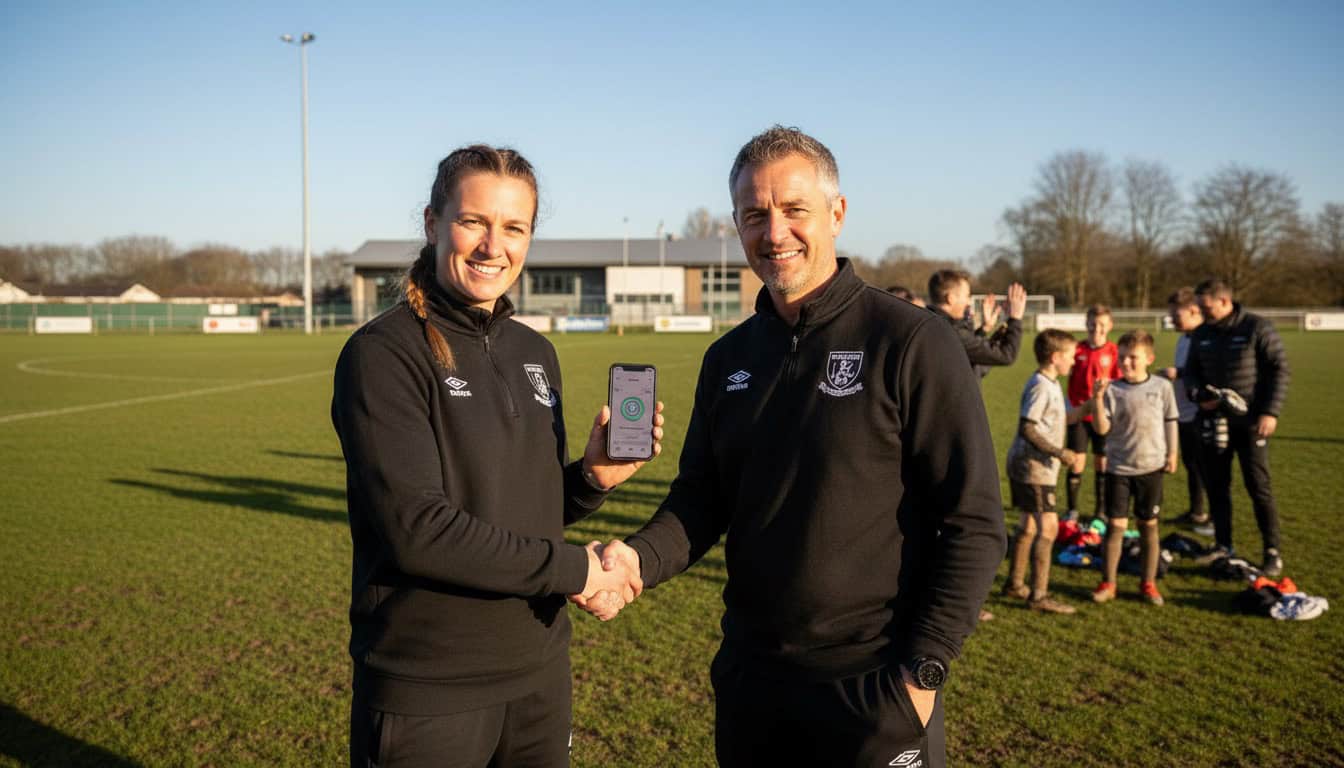
Building a network of regular opponents requires intentional relationship development beyond single matches. Start by identifying compatible teams through competitive, well-organized fixtures. Maintain contact between seasons, communicate reliably, and prioritize mutual benefit.
Why Regular Opponents Matter
Finding new opponents for every fixture is exhausting. Each search involves uncertainty about reliability, skill level, and match quality. Regular opponents solve these problems through established trust and proven compatibility.
Benefits of a Strong Opponent Network
Teams with strong networks report spending 70% less time on fixture administration. That time goes back into coaching, player development, and actually enjoying the sport rather than organizing it.
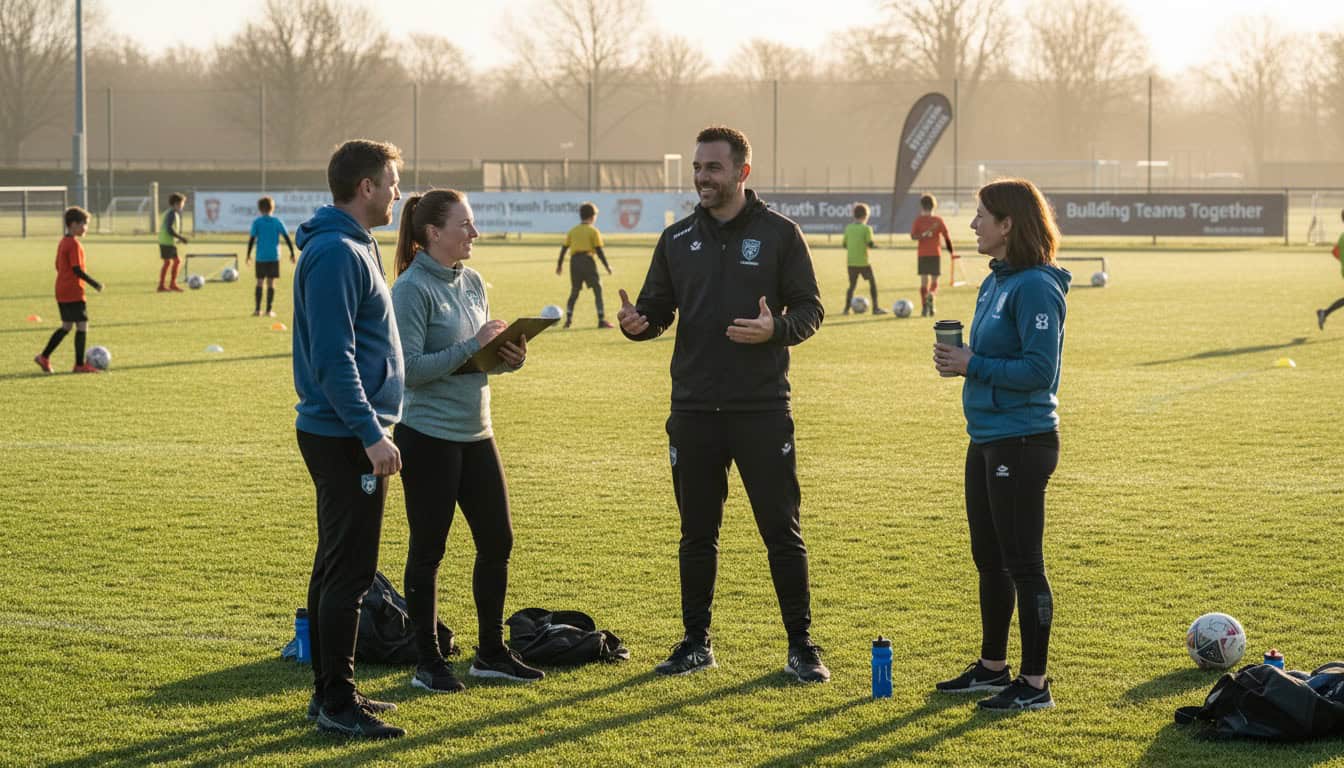
The Ideal Opponent Network Structure
Network Composition
A well-structured network includes teams at different levels and for different purposes:
Core Opponents (4-6 teams)
- Similar skill level to yours
- Reliable and well-organized
- Play multiple times per season
- First contacts for fixture needs
Stretch Opponents (2-3 teams)
- Slightly stronger than you
- Challenge matches for development
- 1-2 fixtures per season
- Test your improvement
Confidence Opponents (2-3 teams)
- Slightly below your level
- Competitive but winnable
- Good for building momentum
- Recovery fixtures after tough runs
Specialist Opponents (1-2 teams)
- Specific purposes (preseason prep, youth development)
- May only play annually
- Valuable for particular needs
Network Size Guidelines
| Team Type | Recommended Network Size |
|---|---|
| Adult recreational | 8-10 regular opponents |
| Adult competitive | 10-15 regular opponents |
| Youth academy | 12-20 regular opponents (across age groups) |
| Multi-squad club | 15-25 regular opponents (shared across teams) |
Smaller networks risk fixture gaps when opponents are unavailable. Larger networks become difficult to maintain meaningfully.
Finding Potential Regular Opponents
Sources for Quality Opponents
League connections — Teams you face in league competition often make natural friendly opponents. You already know their level, organizational standards are visible, contact information is accessible, and competitive familiarity exists.
Post-match conversations — After good fixtures against new opponents, express interest in future matches, exchange direct contact details, discuss mutual availability patterns, and suggest specific future dates.
Referrals from existing network — Your current regular opponents know other teams. Ask who else they play regularly, request introductions to compatible teams, and leverage their vetting as social proof.
Match-finding platforms — Platforms like Team Game Finder enable systematic searching by skill level and location, review team profiles before contact, track communication history, and identify teams seeking regular opponents.
Regional associations — County FAs and regional bodies often maintain team contact lists, facilitate fixture-seeking forums, host networking events, and connect teams with similar needs.
Evaluating Potential Regulars
Before investing in a relationship, assess compatibility:
| Factor | What to Observe |
|---|---|
| Punctuality | Did they arrive on time? |
| Communication | Were pre-match arrangements clear? |
| Organization | Did they have correct numbers, kit, officials? |
| Skill match | Was the game competitive? |
| Conduct | Were players and staff respectful? |
| Post-match | Did they engage positively afterward? |
Red Flags to Watch
One good match doesn't guarantee a good regular opponent. Look for consistency across multiple interactions before committing.
Converting One-Time Opponents to Regulars
The Follow-Up Framework
Converting a good first match into a regular relationship requires intentional follow-up:
Within 48 Hours
- Send a thank-you message
- Reference specific positive aspects
- Express interest in future fixtures
- Suggest a specific next date if possible
Within 2 Weeks
- If no response, follow up once
- Confirm or adjust proposed dates
- Add to your fixture tracking system
Before Next Season
- Reach out to schedule early
- Reference previous positive experience
- Propose multiple date options
Example Follow-Up Message
"Thanks for the match on Saturday—really enjoyed it. Competitive game and your team was well-organized. We'd like to make this a regular fixture if you're interested. We have a home slot available on March 15th—would that work for a return match?"
Building the Relationship
Regular opponent relationships deepen through:
Consistent positive experiences — Well-organized matches, reliable communication, respectful competition, and good hospitality.
Reciprocity — Alternate home/away fairly, share referee costs equitably, accommodate each other's scheduling needs, and offer flexibility when possible.
Personal connections — Remember key contacts' names, acknowledge their team's achievements, share relevant opportunities, and support each other's wider activities.
Maintaining Your Network
Communication Cadence
Regular opponents require proactive maintenance:
During season:
- Confirm fixtures 2 weeks in advance
- Prompt notification of any changes
- Post-match acknowledgment
- Quick responses to their communications
Between seasons:
- End-of-season thank you
- Pre-season outreach (6-8 weeks before)
- Share your fixture availability early
- Check their scheduling needs
Annual touchpoints:
- Season review conversation
- Discuss any relationship adjustments
- Plan next season's fixtures
- Update contact information
The 30-Day Rule
Contact each regular opponent at least once every 30 days during active season, even if just to confirm upcoming arrangements or check in. Relationships fade when communication lapses.
Tracking Your Network
Maintain organized records with essential information per opponent:
- Primary contact name and details
- Secondary contact as backup
- Home venue address
- Typical availability patterns
- Skill level assessment
- Match history with results
- Notes on preferences and quirks
| Team | Contact | Level | Last Match | Notes |
|---|---|---|---|---|
| Example FC | John Smith | Competitive | Dec 15 | Prefer Saturdays |
Update after every interaction to maintain accurate records.
Ready to find matches?
Join verified teams finding friendly matches in minutes, not days.
Measuring Network Health
Key Indicators
Quantitative metrics:
- Fixture fill rate (% of slots filled from network vs. new searches)
- Response rate (% of network contacts who respond promptly)
- Cancellation rate (% of network fixtures cancelled)
- Return fixture rate (% of opponents who play multiple times)
Qualitative indicators:
- Match quality consistency
- Communication ease
- Relationship warmth
- Mutual support instances
Healthy Network Benchmarks
| Metric | Healthy | Needs Attention |
|---|---|---|
| Fill rate from network | >70% | <50% |
| Response within 48hrs | >80% | <60% |
| Cancellation rate | <10% | >20% |
| Return fixture rate | >60% | <40% |
Annual Network Review
Each season end, assess:
- Which opponents provided best experiences?
- Which relationships need investment?
- Which should be deprioritized or ended?
- What gaps need filling next season?
- How has your network health changed?
Special Network Considerations
Multi-Squad Organizations
Clubs with multiple teams can share networks through a coordinated approach: central fixture coordination, shared opponent database, cross-team introductions, and unified communication standards.
Benefits include a larger combined network, more fixture options per team, stronger organizational relationships, and efficient administration.
Youth Team Networks
Youth networks require additional considerations:
Age-group spanning — Build relationships with clubs, not just single teams. As players age up, relationships continue.
Development focus — Prioritize opponents who share development philosophy over purely competitive matching.
Parent/guardian factor — Network relationships involve multiple stakeholders beyond just coaches.
Veterans and Recreational Teams
Networks for social football prioritize social compatibility (post-match culture matters as much as match quality), flexibility (accommodate variable availability patterns), and mixed-ability tolerance (accept wider skill ranges than competitive teams).
How This Relates to Other Topics
Frequently Asked Questions
How many regular opponents should my team have?
Most adult teams benefit from 8-12 reliable regular opponents. This provides enough options for fixture flexibility while remaining manageable to maintain meaningfully.
How long does it take to build a strong opponent network?
Expect 2-3 seasons to develop a robust network. First season focuses on trialing opponents, second on converting good matches to regulars, third on deepening established relationships.
Should I maintain relationships with mismatched opponents?
If skill levels have diverged significantly, honest conversation is better than continued poor matches. You might adjust frequency, modify format, or transition to occasional fixtures rather than regular.
How do I revive a dormant opponent relationship?
Reach out directly referencing your history: "We used to play regularly a few years back and always enjoyed our fixtures. Would you be interested in reconnecting for this season?"
What if my regular opponent becomes unreliable?
Address the pattern directly. If issues persist despite conversation, reduce fixture frequency and seek replacement relationships rather than continuing frustrating arrangements.
How do I balance network maintenance with finding new opponents?
Allocate 70-80% of fixture admin time to network maintenance and 20-30% to trialing new opponents. Strong networks require less total time than constant new searches.
Should I share my opponent network with other teams?
Strategic sharing builds goodwill and strengthens the broader community. Protect your most valued relationships but help where you can—it often comes back positively.
How do I handle a rival team wanting to join my network?
League rivals can become good friendly opponents if both parties separate league competition from friendly relationships. Discuss expectations explicitly before agreeing.
What's the best way to track my opponent network?
A simple spreadsheet works for most teams: contact details, skill level, match history, communication notes, and next fixture date. Update after every interaction.
How do I end a regular opponent relationship gracefully?
Be honest but kind: "Our circumstances have changed and we need to adjust our fixture priorities. We've really valued our matches over the years." Leave the door open for future reconnection.