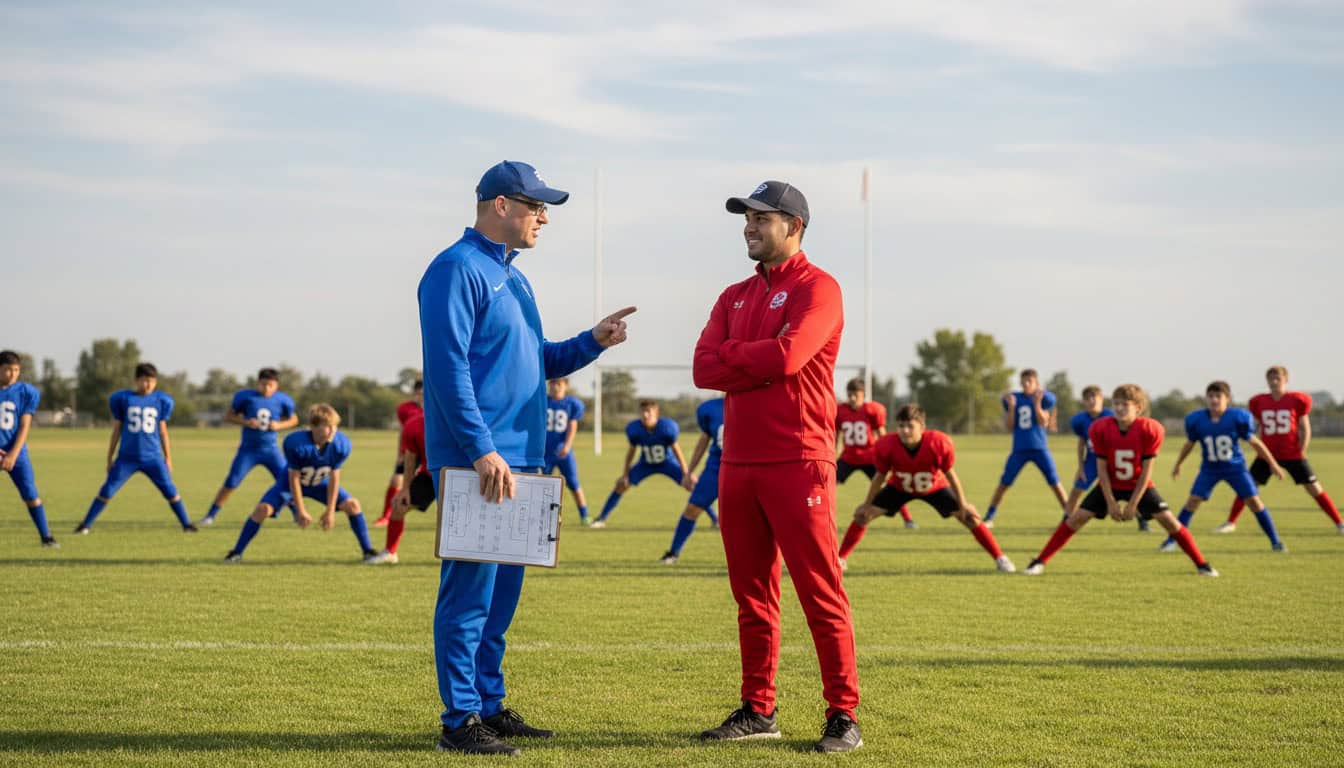
Finding opponents at your skill level requires honest self-assessment, clear communication about your team's ability, and willingness to adjust based on match outcomes. Use league position, training frequency, player experience, and recent results as indicators. When contacting potential opponents, be specific about your level—vague descriptions lead to mismatched fixtures that nobody enjoys.
Key Takeaways
- Assess honestly — Overestimating your level leads to demoralizing defeats; underestimating means unchallenging matches
- Communicate clearly — Describe your team's ability using concrete indicators, not vague terms like "decent" or "average"
- Adjust over time — Your assessment should evolve based on actual match experiences
Why Skill Level Matching Matters
A 7-0 defeat isn't fun for anyone. Neither is winning by a margin that removes all competitive tension. The best matches happen when teams are evenly matched—where the outcome is uncertain, both sides are challenged, and players leave having genuinely competed.
Benefits of well-matched fixtures
- Player development — Appropriate challenge promotes learning
- Enjoyment — Competitive matches are more engaging than walkovers
- Confidence building — Close matches build belief regardless of result
- Relationship building — Good games lead to return fixtures
- Injury prevention — Extreme mismatches can increase injury risk
Consequences of poor matching
The effort invested in finding appropriate opponents pays dividends in better football experiences.
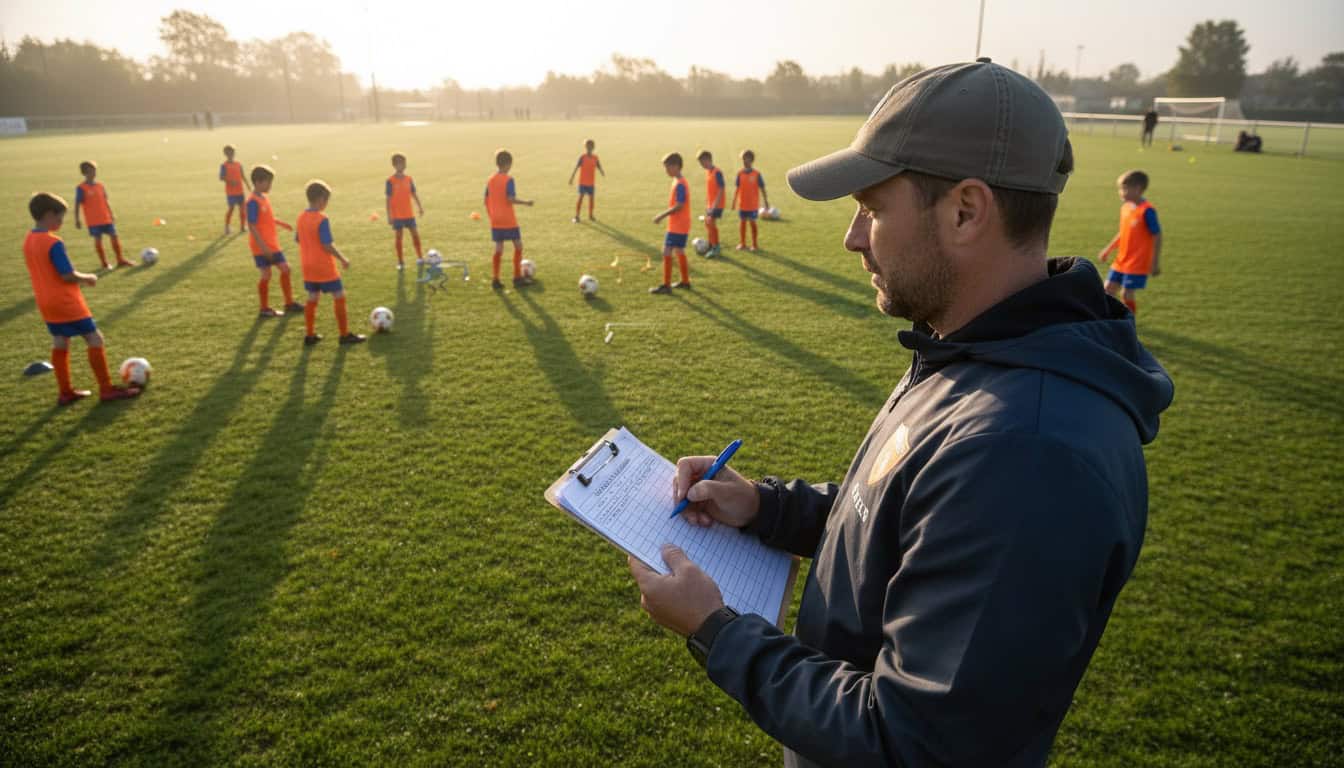
Assessing Your Team's Level
Objective Indicators
Use measurable factors to gauge your level:
League position and division
- Which division do you play in?
- Where do you typically finish?
- What's your recent trajectory (improving, stable, declining)?
Results pattern
- Win/draw/loss ratio over the season
- Typical scorelines (close games or wide margins?)
- Performance against known benchmarks
Training commitment
- How often does your team train?
- What percentage of players attend regularly?
- Do you have qualified coaching?
Player experience
- Average years playing the sport
- Former league/representative experience in squad
- Age profile of the team
Skill Level Categories
Most match-finding platforms use standard categories:
| Level | Typical Characteristics |
|---|---|
| Recreational | Plays for fun, irregular training, mixed abilities, social emphasis |
| Competitive | Regular training, league participation, results matter, organized structure |
| Semi-Professional | High commitment, experienced players, strong organization, paid expenses |
| Professional | Full-time or near full-time players, elite level |
Honest Self-Assessment Questions
Ask yourself:
- If we played 10 matches against an average team in our league, how many would we win?
- Are our best players significantly better than our weakest, or is ability consistent?
- Do we compete well against teams above us, or struggle?
- Have recent friendly matches been competitive or one-sided?
- What do opponents say about us after matches?
Common assessment errors
Communicating Your Level to Opponents
What to Include in Match Requests
When reaching out to potential opponents, provide:
Concrete information:
- League and division (e.g., "County League Division 3")
- Current/recent position (e.g., "mid-table this season")
- Training frequency (e.g., "train twice weekly")
- Typical results (e.g., "most games decided by 1-2 goals")
Context:
- What you're looking for (e.g., "competitive friendly for preseason prep")
- Any relevant circumstances (e.g., "rebuilding squad this year")
- Flexibility on format (e.g., "happy to adjust if needed")
Example Communications
"Hi, we're looking for a preseason friendly on August 10th. We play in the Regional League Division 2, finished 8th last season. We train twice weekly and typically have close games—most results within 2 goals. Looking for similar-level opposition for competitive preparation. Would you be interested?"
"Looking for a game on the 10th. We're a decent team, pretty competitive. Let us know if you're interested."
The first message gives the recipient enough information to assess compatibility. The second tells them nothing useful.
Ready to find matches?
Join verified teams finding friendly matches in minutes, not days.
Finding Opponents at Your Level
Using Match-Finding Platforms
Platforms like Team Game Finder enable skill-based searching:
Filter effectively:
- Set skill level filters to match your category
- Consider adjacent levels for flexibility
- Check opponent profiles for detail and accuracy
Evaluate profiles:
- Look for concrete information, not vague descriptions
- Check match history if available
- Note response patterns and reliability indicators
Leveraging Your Network
Your existing contacts know teams at similar levels:
Ask current opponents: "We really enjoyed that match—it was competitive. Do you know other teams at a similar level looking for friendlies?"
League connections: Teams in your league play others you don't—ask for introductions.
Regional associations: Some associations maintain lists of teams seeking friendlies, organized by level.
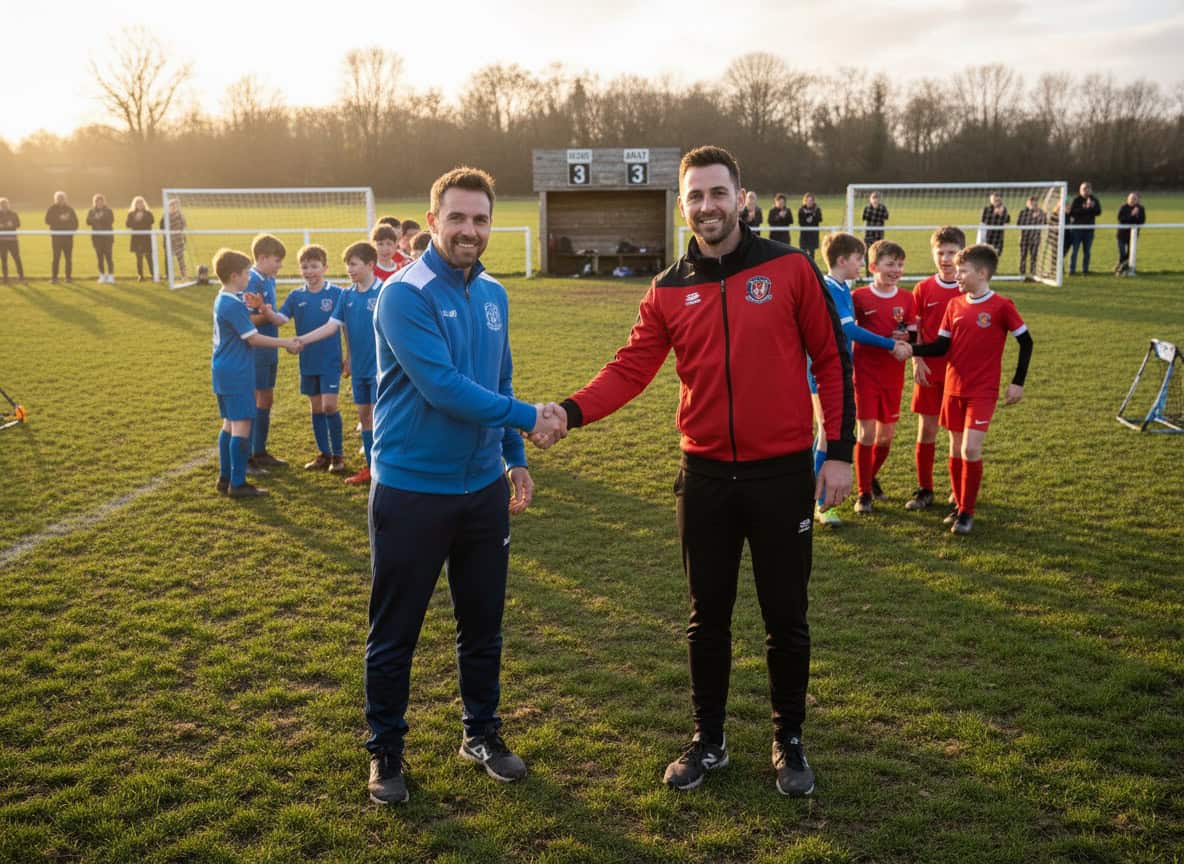
Handling Mismatches
When You're Outmatched
If you find yourself significantly weaker:
During the match:
- Focus on development goals rather than result
- Use the experience to identify improvement areas
- Keep spirits up—it's one match
After the match:
- Thank opponents graciously
- Be honest: "You were too strong for us today"
- Adjust your self-assessment
When You're Too Strong
If you're dominating:
During the match:
- Consider format adjustments (rolling subs, objectives)
- Focus on development rather than scoreline
- Respect opponents—they're doing their best
After the match:
- Be gracious—never gloat or criticize
- Offer honest feedback if asked
- Consider whether to repeat the fixture
Format Adjustments for Mismatches
When mismatches become apparent, consider:
| Adjustment | How It Helps |
|---|---|
| Rolling substitutions | Keeps all players involved |
| Reduced match time | Limits damage from one-sided game |
| Positional experiments | Development focus for stronger team |
| Mixed teams | Combine squads for second half |
| Score reset | Fresh start after lopsided first half |
Discuss adjustments openly—most teams appreciate flexibility over grinding through mismatches.
Special Matching Considerations
Youth Teams
Age groups don't guarantee skill parity:
Additional factors:
- Academy vs. grassroots programs
- Development league vs. recreational
- Player retention (established squads vs. new teams)
Best practice:
- Ask about opponent's program type
- Discuss development philosophy
- Consider playing up/down age groups for better matching
Veterans Teams
Over-35 and Over-40 categories vary widely:
Skill range:
- Former professional/semi-professional players
- Lifelong recreational players
- Players returning after breaks
Matching considerations:
- Physical intensity expectations
- Competitive vs. social emphasis
- Injury history and fitness levels
New Teams
Teams in their first season face matching challenges:
Honest approach: "We're a new team this season, still finding our level. Based on our squad experience and training, we estimate competitive-recreational. Happy to discuss and adjust."
Early matches establish track record that helps future matching.
Building Long-Term Matching Relationships
Creating a Fixture Network
Develop relationships with teams at your level:
Ideal network includes:
- 3-4 teams slightly stronger (stretch matches)
- 5-6 teams at your level (competitive matches)
- 2-3 teams slightly weaker (confidence builders)
Maintaining relationships:
- Schedule return fixtures
- Communicate proactively about availability
- Be reliable and organized
Adjusting Over Time
Your level changes—your opponents should too:
When improving:
- Gradually seek stronger opposition
- Thank outgrown opponents for the journey
- Maintain relationships for future changes
When rebuilding:
- Be honest about transitions
- Adjust expectations with existing opponents
- Seek new relationships at current level
How This Relates to Finding Opponents
Skill level is one factor in the broader opponent-finding process:
- Finding Opponents & Match Discovery: Skill level is one of several factors in finding suitable opponents
- How to Write Match Requests: Effective requests communicate skill level clearly
- Verifying Legitimate Organizations: Verification includes confirming skill level claims match reality
- Building a Network of Regular Opponents: Create relationships with teams at your level
Frequently Asked Questions
How do I know if my team's skill level assessment is accurate?
Your assessment is accurate if most matches are competitive—decided by small margins with outcome uncertain until late. Consistent heavy wins or losses suggest recalibration needed.
Should I play teams above my skill level for development?
Occasionally, yes—stretch matches accelerate learning. But a steady diet of defeats isn't developmental. Balance challenge with achievable competition.
What if opponents misrepresent their skill level?
Address it honestly: "That was tougher than expected based on your description." Adjust future expectations. If deliberate, don't fixture them again.
How do I describe a team with wide ability range?
Be honest: "We have some experienced players but also beginners. Ability varies significantly." This helps opponents know what to expect.
Should recreational teams play competitive teams?
Generally avoid large category jumps. Recreational vs. semi-professional rarely works well. One level difference can work with adjustments.
How quickly does a team's skill level change?
Significant changes typically take a full season—new players bedding in, training effects accumulating. Don't over-adjust based on short runs of form.
What if we're unsure of our team's skill level?
Start with honest uncertainty: "We think we're competitive-level but haven't tested it much. Happy to trial and adjust." Most opponents appreciate honesty.
How do I assess potential opponents before agreeing to play?
Ask specific questions: league, position, training frequency, recent results. Check their profile thoroughly. Ask for references from previous opponents.
Should I prioritize skill match or geographic convenience?
For most teams, competitive matches within reasonable travel beats mismatches nearby. Quality of fixture matters more than distance saved.
How do I handle a regular opponent who's improved past our level?
Honest conversation: "Your improvement has been great, but the gap's getting tough for us. Should we adjust how we play, or find better-matched fixtures?"
Ready to find your next match?
Join verified teams finding opponents in minutes.
Create your free accountNo credit card required