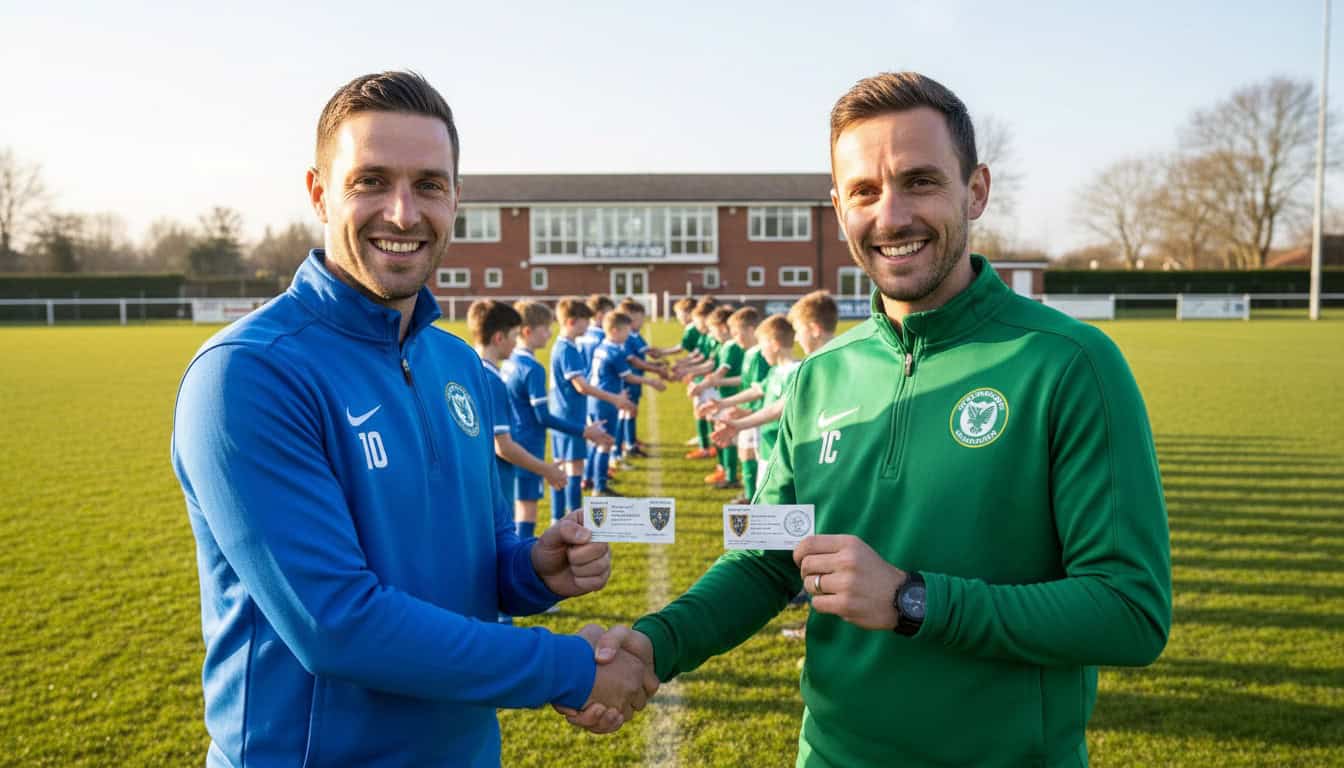
Converting one-time opponents to regulars requires intentional follow-up after good matches. Within 48 hours, thank your opponents, reference specific positives, and propose future fixtures. The teams that become regulars are those you actively pursue—good matches rarely convert themselves without effort.
Why Conversion Matters
The Value of Regular Opponents
Converting strangers to regulars transforms your fixture administration:
Reduced Search Time
- No constant hunting for opponents
- Reliable fixture calendar
- Predictable season planning
- Energy for other priorities
Known Quality
- Competitive level established
- Organizational standards proven
- No surprises on match day
- Consistent experience
Stronger Relationships
- Deeper connections develop
- Mutual support emerges
- Flexibility when needed
- Football community building
Better Matches
- Familiarity improves competition
- Teams learn from each other
- Tactical development opportunities
- Enjoyable rivalry develops
The Conversion Opportunity
| First Match Outcome | Conversion Potential |
|---|---|
| Competitive, well-organized, enjoyable | High—pursue actively |
| Good match, minor issues | Medium—address issues, then pursue |
| Mismatch but good people | Low—consider adjusted arrangements |
| Poor organization or conduct | None—don't pursue |
Most teams play numerous first-time opponents each season. Even converting 30-40% of good matches to regulars builds a strong network over time.
Recognizing Conversion Potential
During the Match
Observe indicators while playing:
Positive Signs
- Arrived on time, prepared
- Correct numbers, proper kit
- Respectful competition
- Good sideline behavior
- Engaged positively throughout
Concerning Signs
- Late arrival, disorganized
- Short on numbers or equipment
- Aggressive or unsporting conduct
- Complaints about everything
- Disengaged or dismissive attitude
Questions to ask yourself: Would we enjoy playing them again? Did the competitive level work? Were they reliable and organized? Would our players want a return fixture?
After the Match
Post-match interactions reveal character. Good conversion candidates thank you for the match, are positive about the experience, show interest in future fixtures, exchange contact details willingly, and engage in genuine conversation.
The Conversion Process
Immediate Follow-Up (Within 48 Hours)
Prompt follow-up signals genuine interest. Send within 48 hours—ideally within 24:
The Thank-You Message Template
"Hi [Name],
Thanks for the match on Saturday—we really enjoyed it. Competitive game and your team was well-organized throughout.
We'd like to make this a regular fixture if you're interested. We have home availability on [specific date] if you'd like a return match, or we're happy to come to you again.
Let me know your thoughts.
[Your name]
[Your role]
[Team name]"
Key elements: Gratitude expressed, specific positive reference, clear interest in continuation, concrete proposal, easy response path.
The Proposal
Make it easy to say yes:
- Be specific — Propose actual dates, offer venue options, suggest format continuation
- Be flexible — Offer alternatives, accommodate their preferences, show willingness to adapt
- Be patient — Allow response time, don't pressure, follow up once if no response
What Makes Teams Want to Return
The Experience You Create
Your actions determine conversion success:
- Before the match — Clear communication, helpful directions, prompt responses, professional organization
- On match day — Warm welcome on arrival, facilities ready, match runs smoothly, problems handled gracefully
- During the match — Competitive but fair play, respectful sidelines, good refereeing management, positive atmosphere
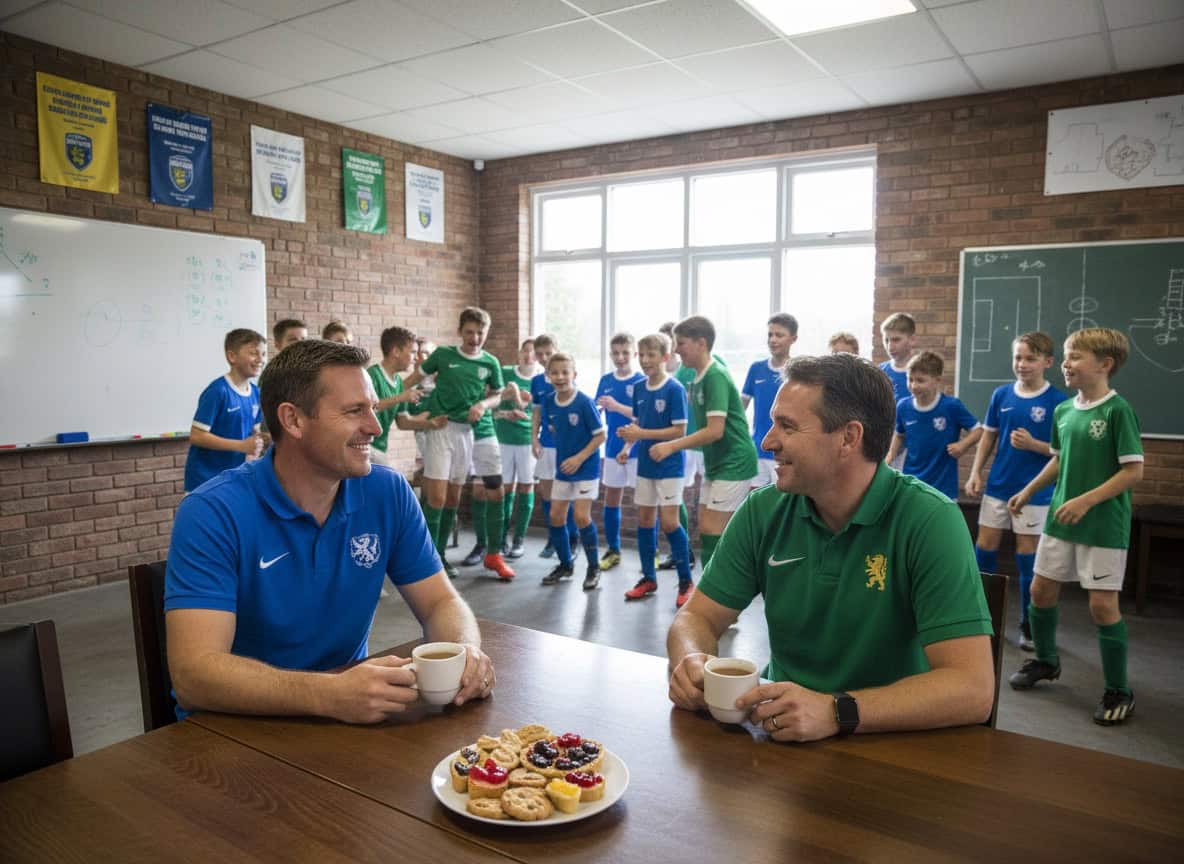
- After the match — Genuine engagement, refreshments if possible, interest in them as people, gratitude expressed
The Opponent Perspective
Consider what opponents value:
Reliability
You honor commitments, communication is prompt, no last-minute surprises, trustworthy partner
Quality
Matches are competitive, organization is sound, experience is enjoyable, worth their time and travel
Respect
Treated as valued opponents, not just a fixture to fill, relationship not transaction, mutual appreciation
Ease
Simple to arrange, clear communication, flexible when possible, low admin burden
Ready to find matches?
Join verified teams finding friendly matches in minutes, not days.
Communication Strategies
Follow-Up Timing
Within 48 Hours
Initial thank-you and interest expression
1 Week Later
Follow up if no response
Pre-Season (if dormant)
Reconnect to propose fixtures
After Fixtures Confirmed
Maintain communication rhythm
Message Templates
"Hi [Name], just following up on my message about arranging another fixture. No worries if you're not interested, but wanted to check before we fill that slot. Let me know either way."
"Hi [Name], hope preseason is going well. We really enjoyed our match last [season/year] and would like to arrange another. We're looking for fixtures in [months]. Any interest?"
"Another good game on Saturday—thanks. Should we make this a regular thing? Happy to pencil in dates for the season if you're interested in a standing arrangement."
Tracking Your Conversion Efforts
Simple Tracking System
| Opponent | First Match | Quality | Status |
|---|---|---|---|
| Example FC | Jan 15 | Good | 2nd fixture Feb 22 |
| Sample United | Jan 22 | Mixed | Follow up Feb 1 |
| Test Athletic | Feb 5 | Excellent | Regular confirmed |
Measuring Conversion Success
Conversion Benchmarks
How This Relates to Other Topics
Frequently Asked Questions
How soon after a match should I follow up with opponents?
Within 48 hours, ideally within 24. Prompt follow-up shows genuine interest and keeps the positive experience fresh. Waiting too long suggests lukewarm interest.
What if opponents don't respond to my follow-up?
Send one additional follow-up about a week later. If still no response, let it go. They may be busy, disorganized, or not interested. Don't take it personally—focus on other opportunities.
Should I follow up after every first match?
Only if the match was good and you'd genuinely want to play them again. Don't follow up out of obligation if the experience wasn't positive or the level didn't match.
How many matches before someone becomes a regular opponent?
There's no fixed number, but 3-4 matches typically establishes a pattern. By the third fixture, you're developing a relationship rather than just testing compatibility.
What if we liked them but they were too strong or weak for us?
Acknowledge honestly and explore alternatives—different teams within clubs, adjusted formats, or occasional rather than regular fixtures. Don't force a mismatch.
How do I convert opponents I found through platforms?
Same process—good first match, prompt follow-up, specific proposals. The platform was just the introduction; the relationship develops the same way.
Should I offer incentives to secure return fixtures?
Generally no. The match quality and relationship should be the draw, not incentives. Offering too much can seem desperate or create unsustainable expectations.
What if they want to become regulars but we don't?
Be honest but kind: "We enjoyed the match but think we're at slightly different levels for regular fixtures. Happy to play occasionally or connect you with teams we think might be better matches."
How do I maintain relationships with opponents I only play once or twice a year?
Pre-season and end-of-season contact keeps relationships warm. A brief message checking in maintains connection even with infrequent fixtures.
Is it worth pursuing conversion with distant opponents?
Consider the travel burden. Distant opponents might become annual fixtures rather than frequent regulars. Relationship value can justify occasional longer travel.