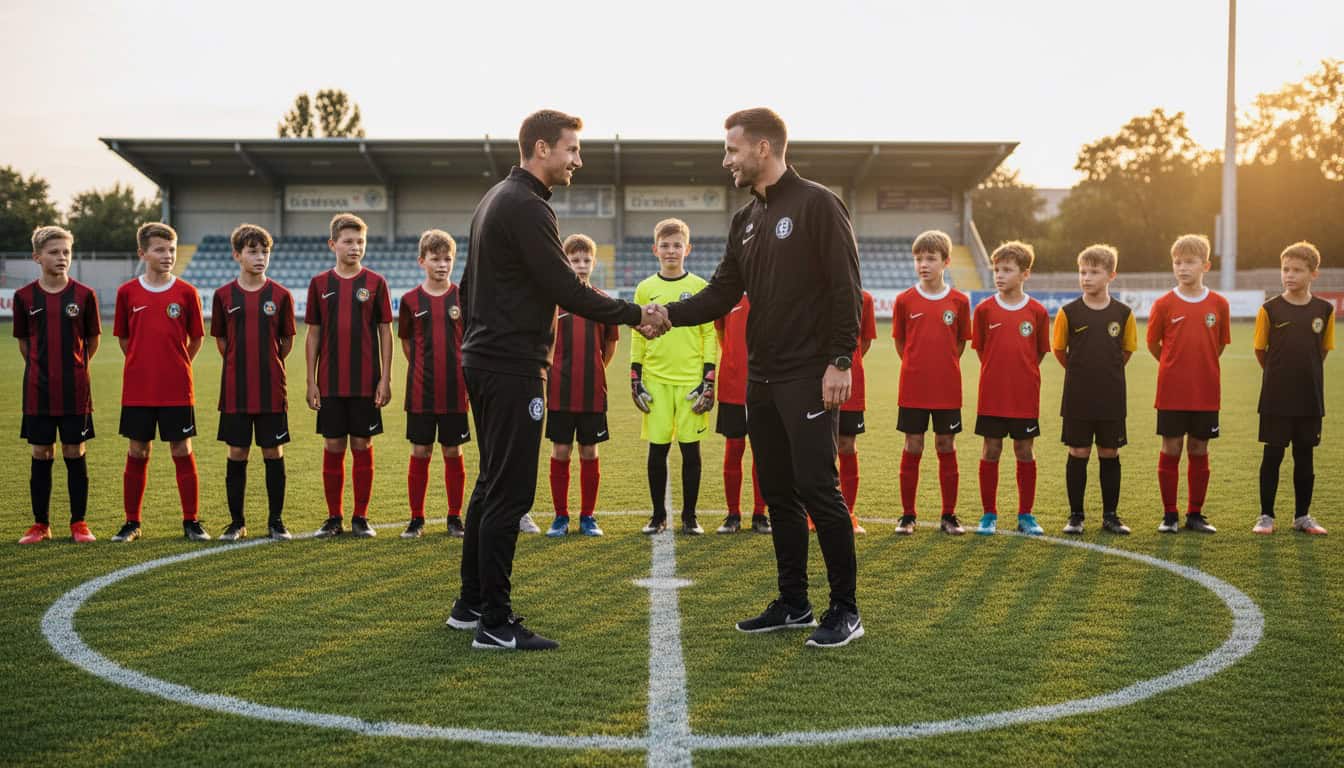
Organizing a successful friendly match requires coordination across five key phases: planning your objectives and schedule, finding suitable opponents, confirming arrangements to prevent cancellations, executing match day logistics, and following up to build lasting opponent relationships. This guide covers everything team managers need to transform chaotic ad-hoc fixtures into a streamlined match organization system.
Key Takeaways
- 1. Structured approach — Teams with defined processes experience fewer cancellations and better quality fixtures than those arranging matches reactively
- 2. Confirmation systems — A three-phase confirmation protocol (initial agreement, 7-day reminder, 48-hour check) reduces no-shows significantly
- 3. Relationship focus — Treating each friendly as an opportunity to build ongoing opponent relationships reduces future search effort
Why Friendly Match Organization Matters
Friendly matches serve purposes that league fixtures cannot fulfill. They provide controlled environments for tactical experimentation, opportunities for squad rotation, and chances to develop players who need match experience. Yet many teams treat friendlies as afterthoughts—arranged hastily, confirmed loosely, and forgotten quickly.
-
Tactical experimentation Test new formations and strategies without competitive consequences.
-
Squad rotation Give playing time to developing players or squad members needing match fitness.
-
Team building Build squad chemistry in lower-pressure match conditions.
This casual approach creates predictable problems: last-minute cancellations, mismatched opponents, chaotic match days, and missed developmental opportunities. The solution is working systematically with proper planning and confirmation processes.
1 Planning Your Friendly Match Program
Before seeking opponents or scheduling dates, establish what you want your friendly program to accomplish. Clear objectives guide every subsequent decision.
Defining Match Objectives
Different friendlies serve different purposes. Understanding your objectives helps you find appropriate opponents and structure fixtures accordingly.
Competitive Preparation
Matches designed to prepare for league or cup competitions. These require opponents at or slightly above your level, playing conditions that match competitive fixtures, and focus on first-team cohesion.
Player Development
Fixtures focused on giving playing time to developing players or squad members needing match fitness. These can accommodate opponents at varying levels and often work well with modified formats.
Tactical Experimentation
Opportunities to test new formations, strategies, or player combinations in match conditions without competitive consequences. Opponent quality matters less than the chance to evaluate tactical changes.
Creating Your Season Framework
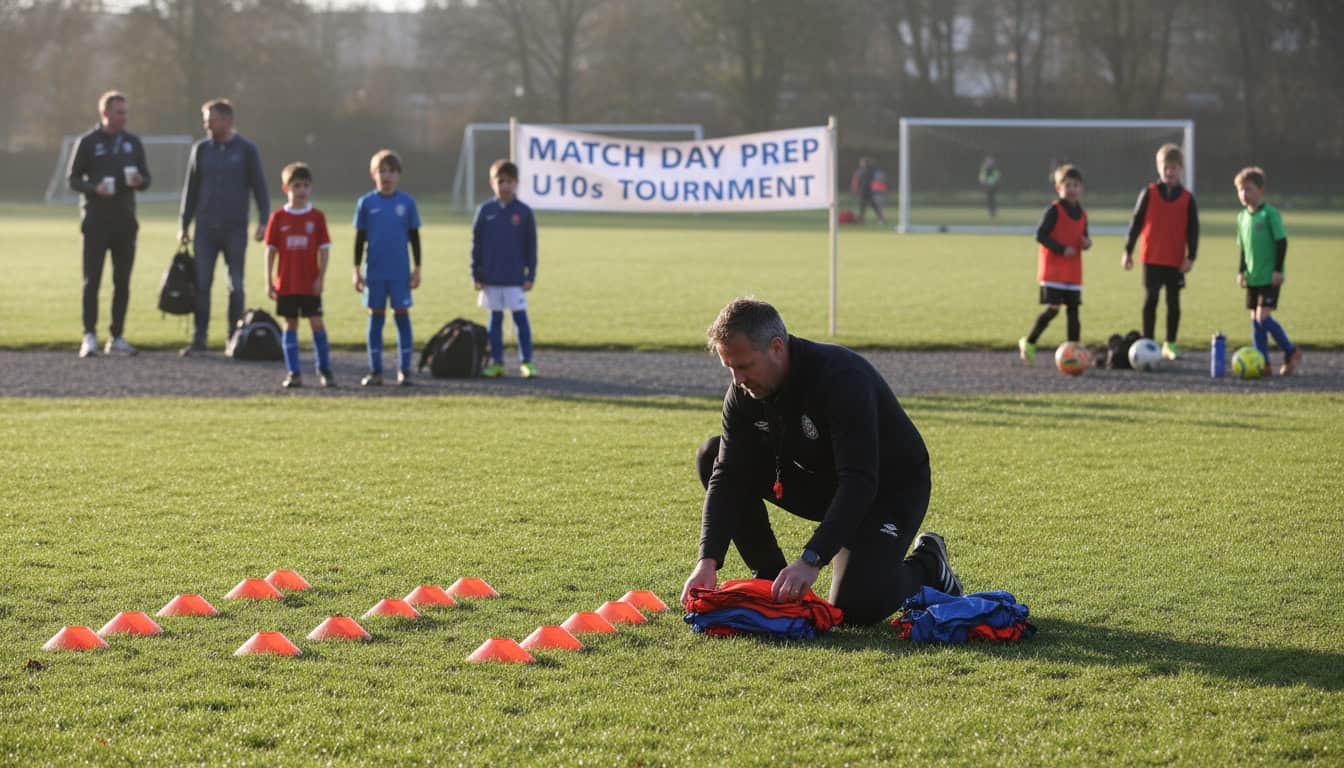
Map your competitive calendar first, then identify windows for friendlies. Key periods include preseason (4-8 weeks before competition), international/cup breaks, mid-season development windows, and post-season.
| Team Type | Preseason | Season Total |
|---|---|---|
| Youth recreational | 2-3 | 4-6 |
| Youth competitive | 4-6 | 8-12 |
| Adult recreational | 2-4 | 6-10 |
| Adult competitive | 6-8 | 12-18 |
| Semi-professional | 8-10 | 15-25 |
For detailed guidance on preseason scheduling, see our guide on Preseason Friendly Schedule: How Many Matches and When.
2 Finding Suitable Opponents
With objectives defined, the search for appropriate opponents begins. Multiple channels working simultaneously produce the best results.
Opponent Discovery Methods
Dedicated Match-Finding Platforms
The most efficient method for finding opponents actively seeking fixtures. Platforms connect teams with matching criteria, handle initial communication, and often provide scheduling tools.
Football Association Networks
County FAs and league secretaries maintain connections with clubs throughout your region. These networks offer legitimate, organized opponents with verified credentials.
Social Media Communities
Local football groups on Facebook and other platforms have become valuable resources. Clear, specific posts with your team level, preferred dates, and location generate responses from suitable opponents.
Direct Club Outreach
Research teams in similar leagues, contact them directly with professional inquiries. This method works particularly well for establishing ongoing opponent relationships.
For comprehensive coverage of all discovery methods, see The Complete Guide to Finding Sports Team Opponents.
Ready to find matches?
Join verified teams finding friendly matches in minutes, not days.
3 Confirming Arrangements
Finding an opponent is only half the battle. Proper confirmation prevents the cancellations that plague friendly fixtures.
The Three-Phase Confirmation Protocol
Cancellations typically result from unclear agreements, forgotten fixtures, or changed circumstances discovered too late. A structured confirmation process addresses all three.
Phase 1: Initial Agreement (At Booking)
- ✓ Date, time, and duration
- ✓ Venue with full address
- ✓ Age group/team involved
- ✓ Match format (length of halves, substitution rules)
- ✓ Referee arrangements
- ✓ Any costs to be shared
Phase 2: 7-Day Reminder
One week before the fixture, reconfirm all details. Verify opponent still has the date in their calendar, confirm player availability on both sides, finalize referee arrangements, discuss weather contingencies, and exchange day-of-match contact numbers.
Phase 3: 48-Hour Check
Final confirmation eliminates last-minute surprises. Confirm kickoff time and arrival expectations, share parking or access instructions, and check weather forecast with agreed cancellation thresholds.
For detailed templates and communication scripts, see How to Confirm Matches and Avoid Last-Minute Cancellations.
4 Match Day Execution
Match day represents the culmination of your organizational effort. Systematic execution ensures positive experiences for everyone involved.
Pre-Match Timeline
Arrive early enough to handle unexpected issues:
- 60 minutes before: Arrive at venue, locate facilities, meet opponent manager
- 45 minutes before: Players begin arriving, brief pitch walk with opposing manager
- 30 minutes before: Team warm-up begins, complete remaining setup
- 15 minutes before: Complete warm-up, team talk, exchange teamsheets
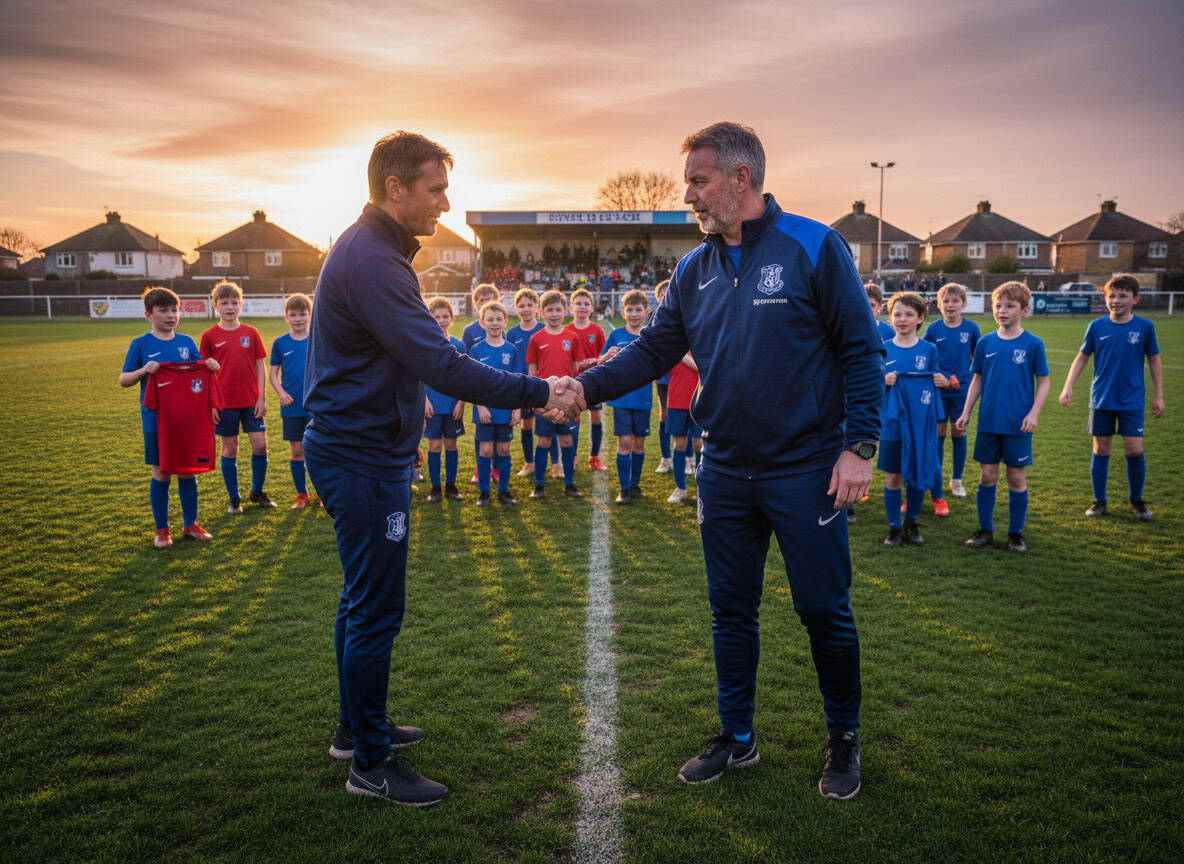
- 5 minutes before: Teams ready, captain duties (coin toss, handshakes)
For complete match-day guidance, see Setting Up Match Day: A Manager's Guide.
Match Day Checklist
Documentation
- ☐ Contact details for opponent manager
- ☐ Venue access information
- ☐ Referee contact (if booked)
- ☐ Player list and medical info
Equipment
- ☐ Match balls (minimum 2)
- ☐ First aid kit
- ☐ Corner flags (home fixtures)
- ☐ Bibs and water bottles
For a comprehensive printable checklist, see The Friendly Match Checklist: Before, During, and After.
5 Post-Match Follow-Up
What happens after the final whistle determines whether a one-time fixture becomes an ongoing opponent relationship.
Immediate Post-Match
Thank the Opponent
Find the opposing manager immediately after the match. Thank them regardless of result, mention something positive about the fixture, and express interest in future matches if appropriate.
Debrief with Staff
Quick internal discussion while observations are fresh: What went well? What needs improvement? Any issues to address with opponent? Player performances to note?
Within 48 Hours
Send a brief thank-you message to the opponent manager reinforcing positive impressions. Mention something specific you appreciated and propose future dates if interested in repeating.
For detailed guidance on building relationships, see Post-Match Etiquette: Building Long-Term Relationships.
Special Considerations
Youth Match Organization
Organizing youth friendlies requires additional attention to age appropriateness, playing time commitments, parental communication, and safeguarding protocols. Allow extra lead time as youth schedules often involve more coordination.
For comprehensive youth-specific guidance, see our guide on Organizing Matches for Different Age Groups.
Weather Contingencies
Outdoor matches face weather uncertainty. Establish clear contingency protocols before the season, including cancellation thresholds and communication protocols.
For detailed weather management guidance, see Weather Contingency Plans for Outdoor Matches.
Managing Costs
Friendly matches involve various costs that require coordination: pitch hire, referee fees, travel expenses, and refreshments. Document cost responsibilities during the confirmation phase to prevent match-day awkwardness. For comprehensive budget guidance, see The Economics of Friendly Matches.
Getting Started: Your Organization System
Ready to systematize your friendly match organization? Implement this foundation:
Week 1: Framework Setup
- ☐ Define your friendly match objectives for the season
- ☐ Map competitive calendar and identify friendly windows
- ☐ Set realistic target for number of friendlies
- ☐ Create a match tracking spreadsheet
Week 2: Opponent Development
- ☐ Audit your current opponent network
- ☐ Register on 2-3 match-finding platforms
- ☐ Join local football social media groups
- ☐ Reach out to 5 new potential opponents
Week 3: Process Implementation
- ☐ Document your confirmation protocol
- ☐ Create templates for match confirmation messages
- ☐ Build your match-day checklist
- ☐ Establish post-match follow-up routine
Frequently Asked Questions
What is the best way to organize friendly matches?
The most effective approach combines multiple elements: define clear match objectives first, use dedicated platforms to find opponents, implement a three-phase confirmation protocol to prevent cancellations, and follow a systematic match-day checklist. Teams with documented processes experience significantly fewer organizational issues than those arranging matches ad-hoc.
How many friendlies should a team play in preseason?
Most teams benefit from 4-8 preseason matches, depending on squad size and competitive level. Youth recreational teams typically need 2-3, while senior competitive teams may schedule 6-8 for full preparation. Space matches throughout preseason with progressive intensity rather than clustering them.
What should be agreed before a friendly match kicks off?
Essential pre-match agreements include: match duration and half length, substitution rules (unlimited or limited), offside rules (sometimes modified for development matches), referee arrangements, restart procedures, and any specific developmental focus. Document these during the confirmation phase, not on match day.
How do I confirm a friendly match properly?
Use a three-phase confirmation protocol: Initial written confirmation at booking with all details documented, a 7-day reminder verifying opponent still has the fixture scheduled, and a 48-hour final check confirming all logistics. Each phase should involve direct communication and written acknowledgment.
What causes friendly match cancellations?
Common cancellation causes include: unclear initial agreements leading to misunderstandings, forgotten fixtures due to poor calendar management, squad availability issues discovered late, weather without contingency plans, and venue problems. A proper confirmation protocol addresses most of these proactively.
How do I organize youth friendly matches?
Youth fixtures require additional considerations: strict age-appropriate opponent matching, tracking playing time commitments, clear parental communication about arrangements, appropriate supervision ratios, and adherence to safeguarding protocols. Allow extra lead time as youth schedules often involve more coordination.
What equipment do I need for organizing friendly matches?
Essential equipment includes: match balls (minimum two), first aid kit, corner flags for home fixtures, bibs for substitutes, water bottles, contact information for opponent and referee, and a charged phone for communication. Create a standard checklist to use before every fixture.
How do I find opponents for friendly matches quickly?
For quick opponent discovery: post detailed availability on local football social media groups, use match-finding platforms with immediate availability filters, contact your existing opponent network about cancelled fixtures, and reach out to league contacts who may know teams seeking matches.
Should friendly matches have referees?
It depends on the fixture purpose and level. Youth development matches often work fine with parent or coach referees. Competitive preparation benefits from qualified officials to simulate match conditions. Establish referee arrangements during confirmation and agree how costs are shared.
How do I build relationships with regular opponents?
Convert positive fixtures into ongoing relationships by: sending thank-you messages within 48 hours, proposing specific future dates while interest is high, delivering consistent organizational quality, and offering reciprocal value (venue access, referee coverage, network referrals). Teams with strong opponent relationships rarely struggle to fill calendars.
Ready to find your next match?
Join verified teams finding opponents in minutes.
Create your free accountNo credit card required