
Friendly matches typically cost between 50-200 per fixture when you account for pitch hire, referee fees, equipment, and travel. Smart planning, cost-sharing with opponents, and strategic venue choices can reduce expenses while maintaining match quality.
Why Understanding Friendly Match Economics Matters
Every friendly has a cost. Unlike league matches where fees and structures are set, friendlies require you to manage budgets, negotiate cost-sharing, and make smart decisions about where and how you play.
Understanding the economics helps you:
Financial Awareness Benefits
Whether you're a Sunday league side running on match fees or a youth academy with dedicated budgets, cost awareness improves your planning.
Breaking Down Friendly Match Costs
Pitch Hire
The biggest variable cost for most teams:
| Venue Type | Typical Cost Range | Notes |
|---|---|---|
| Council grass pitch | 30-80 | Varies by location and quality |
| School/college pitch | 40-100 | Often available evenings and weekends |
| Sports club pitch | 50-120 | May include changing rooms |
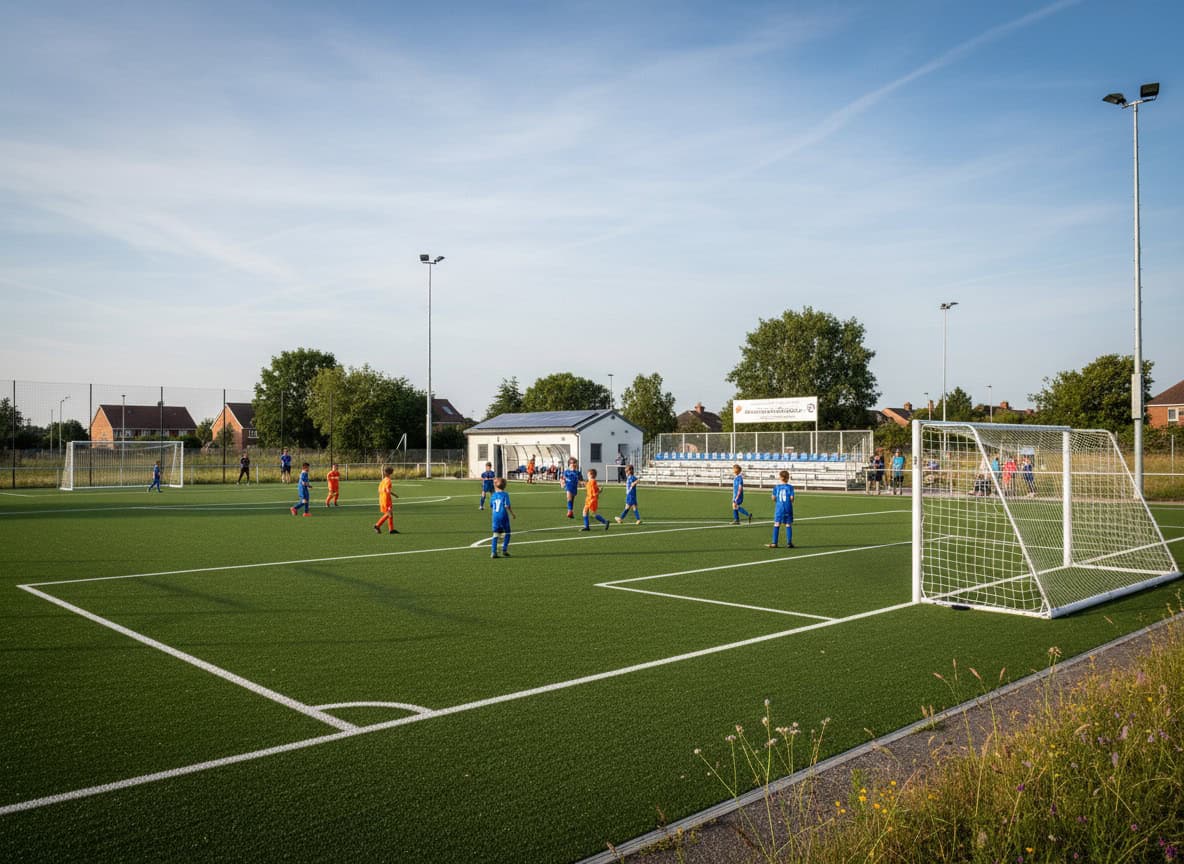
| 3G artificial pitch | 60-150 | All-weather, often hourly rate |
| Private facility | 80-200+ | Premium venues, full facilities |
Factors affecting price:
- Location (urban areas typically more expensive)
- Facilities included (changing rooms, floodlights)
- Day and time (weekends often premium)
- Duration (90 minutes vs 2-hour slot)
- Season (some venues charge more for peak periods)
Referee Fees
If you use officials:
| Official Type | Typical Fee Range |
|---|---|
| Single referee (grassroots) | 25-45 |
| Single referee (higher level) | 40-70 |
| Assistant referees (each) | 15-30 |
| Full officials (3) | 70-130 |
Notes:
- Many friendlies are self-refereed (no cost)
- Youth matches may use parent/coach referees
- Travel expenses sometimes added for referees
Equipment and Consumables
Often overlooked costs:
| Item | Cost Range | Lifespan |
|---|---|---|
| Match balls (quality) | 20-80 each | 1-2 seasons |
| First aid kit supplies | 20-50 | Ongoing replenishment |
| Bibs/training wear | 30-100 | Multiple seasons |
| Cones and markers | 15-40 | Several years |
| Water bottles/carriers | 20-50 | Multiple seasons |
Travel Costs
For away matches:
| Travel Method | Cost Factors |
|---|---|
| Individual cars | Fuel, parking (5-20 per player depending on distance) |
| Carpooling | Shared fuel costs, parking |
| Minibus hire | 100-300 depending on distance and size |
| Coach hire | 200-500+ for longer distances |
Considerations:
- Local matches minimize travel costs
- Carpooling coordinates team bonding and reduces expenses
- Youth teams may require specific transport arrangements
Typical Total Costs Per Match
Scenario 1: Budget-Conscious Local Friendly
- Council pitch hire: 50
- Self-refereed: 0
- Equipment (allocated): 5
- Travel (local): 10
- Total: ~65
Scenario 2: Standard Home Friendly
- Sports club pitch: 80
- Single referee: 35
- Equipment: 5
- Basic refreshments: 20
- Total: ~140
Scenario 3: Quality Away Fixture
- Pitch contribution: 40
- Referee contribution: 15
- Travel (30 miles): 50
- Equipment: 5
- Total: ~110
Scenario 4: Premium Development Match
- 3G floodlit pitch: 120
- Full officials: 100
- Equipment: 10
- Travel: 30
- Hospitality: 50
- Total: ~310
Cost-Sharing Arrangements
Home Team Pays Model
- Home team covers pitch and facilities
- Away team covers own travel
- Referee costs split 50/50 or home team pays
Works well when: Teams alternate home/away fixtures
Split Everything Model
- All costs divided equally regardless of venue
- Simplifies accounting
- Requires good record-keeping
Works well when: One team has better facilities but other team travels further
Fixed Contribution Model
- Agree a per-match contribution (e.g., away team pays 40 toward costs)
- Home team covers remainder
- Predictable for budgeting
Works well when: Cost differences are significant between venues
Example Cost-Sharing Message
"Pitch hire is 90 and we'd like a referee (35). Would a 50 contribution from you work? That leaves us paying the majority since you're traveling to us."
Reducing Friendly Match Costs
Venue Strategies
Bulk booking discounts:
- Book multiple dates with the same venue
- Negotiate season-long rates
- Ask about off-peak discounts
Alternative venues:
- School pitches during term-time evenings
- Training ground if your club has one
- Reciprocal arrangements with other clubs
Multi-purpose bookings:
- Combine friendly with training session
- Book longer slots for multiple age groups
- Share venues with other teams in your club
Referee Savings
Self-referee when appropriate:
- Most adult friendlies can be self-refereed
- Youth matches often use parent volunteers
- Reserve paid officials for important fixtures
Travel Optimization
Prioritize local opponents:
- Teams within 15-20 minutes reduce costs significantly
- Build a network of nearby teams
- Use platforms like Team Game Finder to find local options
Ready to find matches?
Join verified teams finding friendly matches in minutes, not days.
Budgeting for Your Friendly Programme
Season Planning Approach
Step 1: Define your friendly objectives
- How many friendlies do you want per season?
- What's the balance of home vs away?
- Quality level of opposition sought?
Step 2: Estimate costs
| Item | Calculation | Estimate |
|---|---|---|
| Home pitch costs | 6 home games x 80 | 480 |
| Away contributions | 6 away games x 40 | 240 |
| Referee fees | 8 refereed games x 35 x 50% | 140 |
| Equipment | Season allocation | 60 |
| Travel | 6 away games x 40 | 240 |
| Contingency | 10% buffer | 116 |
| Season Total | ~1,276 |
Step 3: Identify funding sources
- Player subscriptions/match fees
- Club central budget
- Sponsorship
- Fundraising
Step 4: Adjust plans to match budget
- Reduce number of friendlies if needed
- Prioritize local fixtures
- Increase home matches
- Seek cheaper venues
Financial Considerations for Different Team Types
Adult Sunday League Teams
Typical funding: Player match fees (5-10 per game)
- Keep costs low with local fixtures
- Self-referee most matches
- Players share travel costs
- Minimal hospitality expectations
Target cost per friendly: 60-100
Youth Academy Teams
Typical funding: Club budget, parent contributions, grants
- Development value justifies higher spend
- Quality venues support player progression
- May need coaches/referees for safeguarding
- Travel for quality opposition accepted
Target cost per friendly: 100-200
Veterans/Walking Football
Typical funding: Member subscriptions, pay-per-play
- Social element valued—include hospitality budget
- Local matches preferred (reduce travel strain)
- 3G pitches common for reliability
- Lower intensity = fewer injury-related costs
Target cost per friendly: 80-150
Hidden Costs to Consider
Insurance
- Most clubs have existing coverage
- Check friendly matches are included
- Public liability for venue use
- Player injury coverage
Administration Time
- Organizing fixtures takes effort
- Communication with opponents
- Booking and payment processing
- Not a direct cost but has value
Wear and Tear
- Equipment degradation over time
- Pitch damage may affect future bookings
- Kit washing and maintenance
- Vehicle wear for travel
When to Spend More (and When Not To)
Worth Paying Premium For
- Quality opposition that genuinely develops your team
- Safe, reliable venues especially for youth football
- Key preseason fixtures that prepare you for competitive matches
- Development matches against higher-level teams
Save Money On
- Routine fitness friendlies where the match itself matters less
- Internal/club friendlies between your own teams
- Low-stakes end-of-season games
- Social fixtures where the result isn't the point
How This Relates to Other Topics
Frequently Asked Questions
How do we split costs fairly when venues differ in price?
Consider total value, not just price. If their pitch is more expensive but includes changing rooms and parking, while yours is cheaper without facilities, the expensive one may be better value. Discuss and agree what's fair for your situation.
Should we charge opponents to play at our venue?
Charging a contribution toward costs is normal. Profiting from friendlies isn't typical at grassroots level. Be transparent about what costs you're recovering.
How do we handle it if an opponent can't afford to contribute?
Be flexible when you can. Perhaps they pay less this time but host the return fixture. Building relationships matters more than perfect cost-sharing.
Is it worth hiring a referee for friendlies?
For adult matches between mature teams, self-refereeing often works. For competitive friendlies, youth matches, or games between unfamiliar teams, a referee improves the experience and is worth the cost.
How do we fund travel to quality opponents further away?
Player contributions, club travel budgets, or fundraising can cover occasional longer trips. Balance against local fixtures to manage overall spending.
Should friendlies be included in players' annual subscription?
Either approach works. Including friendlies in subscriptions simplifies collection but may feel expensive. Pay-per-play is more flexible but requires more administration.
How do we handle last-minute cancellation costs?
Agree cancellation terms upfront. Many venues charge for late cancellations. If your opponent cancels, decide whether to seek contribution or absorb the cost to maintain the relationship.
What's a reasonable budget for a youth team's friendly programme?
Varies widely, but a typical range for 10-15 friendlies per season is common. Factor in development value when justifying spend to parents or club committees.
Can we fundraise specifically for friendlies?
Dedicated fundraising (e.g., for a special fixture or tournament trip) can work well. Be clear with donors about what their money supports.
How do professional clubs handle friendly finances?
They often charge or pay appearance fees, with hospitality packages and commercial arrangements. This is different from grassroots economics and not a useful model for amateur teams.