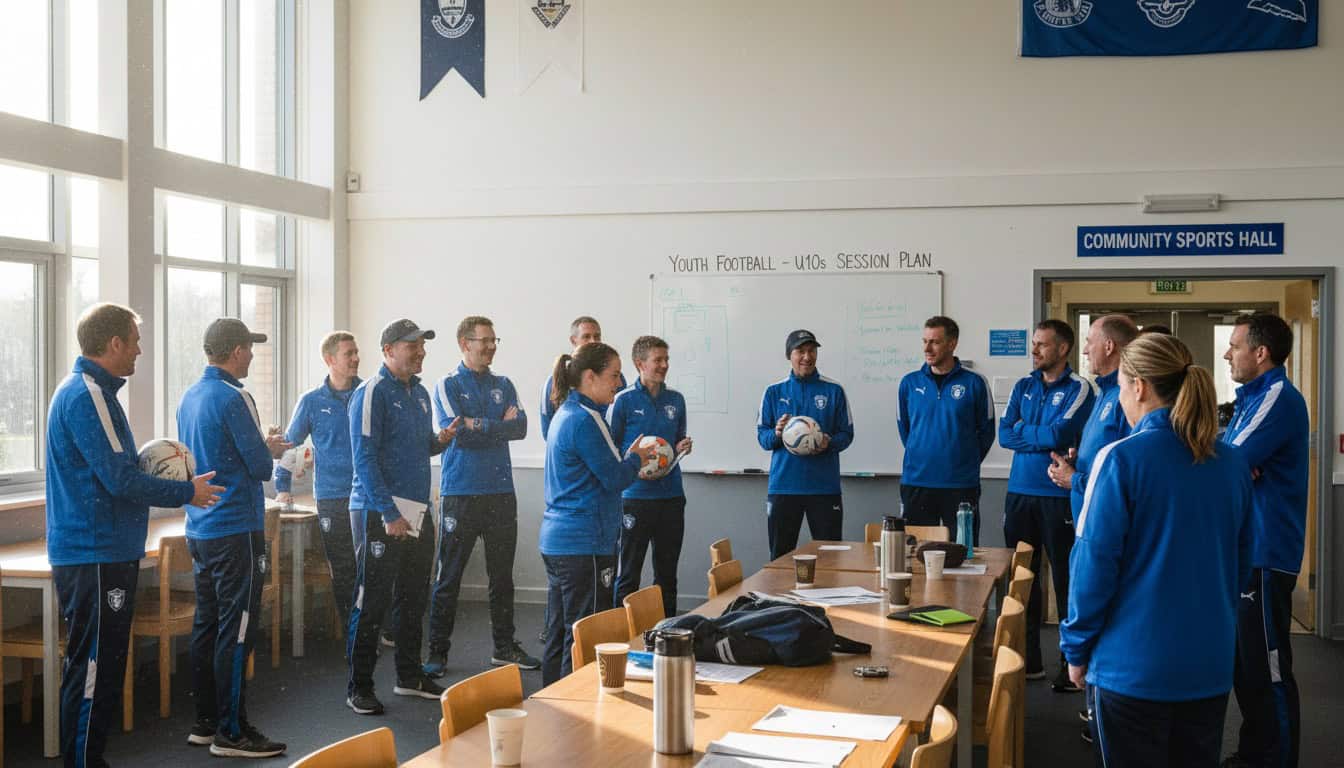
Successful volunteer sports clubs distribute responsibilities across multiple people, create clear role definitions, respect volunteers' time constraints, and build a culture of appreciation. The key is making volunteering manageable—breaking large jobs into smaller tasks, providing proper support, and ensuring no single person becomes indispensable to club operations.
Key Takeaways
- Distribute the workload — Split responsibilities into defined roles rather than relying on a few dedicated individuals
- Respect time constraints — Volunteers have jobs, families, and other commitments; design roles that fit around their lives
- Build succession planning — Document processes and cross-train volunteers so knowledge doesn't leave when people move on
The Reality of Volunteer-Run Sports Clubs
Most grassroots sports clubs operate entirely on volunteer effort. Parents step up to coach their children's teams. Former players take on administrative roles. Community members give weekends to run the clubhouse or mark pitches.
This volunteer model enables sport at levels that could never afford professional staff. It builds community connections and gives people meaningful ways to contribute. But it also creates challenges:
- Burnout — The same people doing everything, year after year
- Knowledge gaps — Critical information held by one person who eventually moves on
- Inconsistent availability — Volunteers have competing priorities
- Recruitment struggles — Fewer people willing to commit time
Understanding these realities helps you build club structures that work with volunteer constraints rather than against them.
Building Your Volunteer Structure
Define Clear Roles
Vague responsibilities lead to either duplication or gaps. Create specific role definitions:
Core Committee Roles
| Role | Primary Responsibilities | Time Commitment |
|---|---|---|
| Chairperson | Strategic direction, external representation, meeting chair | 3-5 hours/week |
| Secretary | Communications, minutes, correspondence, records | 2-4 hours/week |
| Treasurer | Finances, accounts, subscriptions, payments | 2-3 hours/week |
| Welfare Officer | Safeguarding, DBS checks, incident handling | 1-2 hours/week + as needed |
| Fixture Secretary | Match scheduling, opponent coordination, venue booking | 3-5 hours/week in season |
Operational Roles
| Role | Primary Responsibilities | Time Commitment |
|---|---|---|
| Team Manager | Squad coordination, match day organization | 3-4 hours/week per team |
| Coach | Training sessions, player development | 4-6 hours/week per team |
| Kit Manager | Ordering, distribution, collection | Seasonal + match days |
| Website/Social Media | Digital presence, communications | 1-2 hours/week |

Match Roles to People
Not every volunteer suits every role. Consider:
Skills and experience
- Accountants make natural treasurers
- Teachers often excel at coaching
- Project managers bring organizational skills
- Marketing professionals can handle communications
Available time
- Working parents may prefer match-day-only roles
- Retired members can take on ongoing administrative tasks
- Shift workers need flexible commitments
- Self-employed volunteers may have seasonal availability
Have honest conversations about what each role actually requires and what each volunteer can genuinely offer.
Recruiting Volunteers
Where to Find Helpers
Within your existing community
- Parents of current players (especially new joiners with fresh energy)
- Older players moving out of playing
- Former players returning to the club
- Partners and extended family of current members
- Local residents who use club facilities
Beyond your immediate circle
- Local businesses seeking community involvement
- University students needing experience
- Corporate volunteering programs
- Retirees looking for purpose and connection
- Sports studies students requiring placements
Making the Ask
Many people will volunteer if asked directly—but nobody asks them. Effective approaches:
Be specific
Instead of: "We need help at the club"
Try: "We need someone to manage kit orders twice per season—about 4 hours total. Would you be interested?"
Lower the barrier
Instead of: "Would you join the committee?"
Try: "Could you help with registration day next Saturday? It's just 3 hours, and someone will show you what to do."
Tip: Offer volunteer roles on a trial basis—"Try it for one term and see how it fits" reduces commitment anxiety and lets both parties assess fit.
Supporting Your Volunteers
Onboarding New Helpers
Set volunteers up for success from day one:
Provide documentation
- Written role description with key responsibilities
- Contact list for relevant people
- Access to necessary systems and accounts
- Calendar of key dates and deadlines
- Previous templates and examples
Check in regularly
- Weekly during the first month
- Monthly thereafter
- Always available for questions
Respecting Volunteer Time
Volunteers give their time freely—respect it:
Efficient meetings
- Clear agendas circulated in advance
- Start and end on time
- Focus on decisions, not discussions that could happen via email
- Only invite people who need to be there
Reasonable expectations
- Don't assume instant responses
- Provide adequate notice for tasks
- Recognize that family and work come first
Recognition and Appreciation
Volunteers don't seek payment, but they do deserve recognition:
Regular thanks
- Personal acknowledgment for specific contributions
- Public recognition at meetings or events
- Thank-you messages from beneficiaries (players, parents)
Practical perks
- Free or discounted club membership
- Priority access to events
- Club clothing or merchandise
- Training opportunities funded by the club

Managing Workload Distribution
Preventing Burnout
The biggest threat to volunteer clubs is burning out your best people:
Warning signs
- Same person always first to volunteer
- Tasks consistently completed last-minute
- Volunteers mentioning they're struggling
- Quality of work declining
- People becoming defensive about "their" roles
Prevention strategies
- Enforce maximum term limits for intensive roles
- Require deputy or backup for every position
- Schedule regular role reviews and reassignments
- Create "off-season" periods where possible
- Celebrate volunteers stepping back as healthy, not failure
Task Delegation
Break large responsibilities into shareable pieces:
Instead of one "Events Coordinator":
- Summer BBQ organizer
- Christmas party organizer
- Presentation evening organizer
- Fundraising event lead
Instead of one "Communications Manager":
- Newsletter writer
- Social media poster
- Website updater
- Photography coordinator
Smaller, specific tasks are easier to fill than large, ongoing roles.
Ready to find matches?
Join verified teams finding friendly matches in minutes, not days.
Building Sustainable Operations
Documentation and Systems
Reduce dependency on individual knowledge:
Process documentation
- Step-by-step guides for recurring tasks
- Checklists for events and match days
- Templates for common communications
- Troubleshooting guides for frequent issues
Centralized information
- Shared drive or system for all club documents
- Contact database accessible to relevant people
- Financial records organized consistently
- Historical records for reference
Succession Planning
Every role needs a transition plan:
Deputy positions
- Each key role has an identified backup
- Deputies shadow primary volunteers regularly
- Gradual handover periods when roles change
- No single point of failure for critical functions
Term limits
- Maximum terms for intensive positions (e.g., 3 years)
- Staggered committee terms so not everyone leaves at once
- Planned recruitment cycles to build pipeline
- Celebration of role completion, not guilt about leaving
Using Technology Effectively
Choosing the Right Tools
Select tools that match volunteer capabilities:
Communication
- WhatsApp or similar for quick group messaging
- Email for formal communications
- Shared calendar for events and fixtures
Administration
- Cloud storage (Google Drive, Dropbox) for documents
- Spreadsheets for member databases and finances
- Simple website builders for online presence
Match coordination
- Match-finding platforms like Team Game Finder for fixtures
- League management systems if provided
- Scheduling tools for training and availability
Technology Principles
Simplicity over features: Choose tools everyone can use, not the most powerful options. Free or low-cost solutions are appropriate for volunteer budgets. Mobile-friendly access helps volunteers manage tasks on the go.
Handling Challenges
Volunteer Conflicts
When disagreements arise:
Address early
- Small issues become big problems if ignored
- Private conversation before committee involvement
- Focus on behaviors and impacts, not personalities
Mediation approach
- Listen to all perspectives
- Find common ground and shared goals
- Propose solutions that address core concerns
- Document agreements and follow up
Volunteer Shortages
When you can't fill essential roles:
Short-term solutions
- Existing volunteers cover temporarily (with clear end date)
- Reduce scope of activities to match capacity
- Combine roles where practical
- Hire professional support for specific tasks
Longer-term responses
- Analyze why people aren't volunteering
- Redesign roles to be more attractive
- Improve recruitment efforts
- Consider club structure changes
- Partner with other clubs to share resources
How This Relates to Other Topics
- Finding Opponents & Match Discovery: Volunteer fixture secretaries benefit from match-finding platforms that reduce coordination workload
- 7 Ways to Find Opponents: Multiple approaches help volunteers coordinate matches efficiently
- Best Apps for Finding Opponents: Digital tools that simplify the fixture secretary role
Frequently Asked Questions
How many volunteers does a typical sports club need?
A single-team club needs minimum 3-5 active volunteers. Multi-team clubs typically need 2-3 volunteers per team plus 5-8 at club administration level. Larger clubs may need 30+ volunteers.
Should we pay volunteers for expenses?
Yes—reimburse genuine out-of-pocket expenses like fuel, materials, and training courses. This removes barriers to participation and is standard practice. Document claims and keep receipts.
How do we handle volunteers who want to do everything?
Appreciate their enthusiasm while protecting them from burnout. Set role boundaries, encourage them to mentor others, and enforce limits on simultaneous positions.
What's the best way to run committee meetings?
Keep them short (60-90 minutes), use agendas, start on time, assign action items with owners, and circulate minutes promptly. Consider alternating between in-person and online meetings.
How long should someone hold a committee position?
Intensive roles like chairperson or treasurer benefit from 2-3 year terms with maximum of 6 years. Less intensive roles can be held longer. Stagger terms so not everyone changes at once.
Should we require parents to volunteer?
Mandatory volunteering often backfires—reluctant volunteers do poor work. Instead, clearly communicate volunteer needs, make opportunities accessible, and recognize those who contribute.
How do we document volunteer roles without creating bureaucracy?
Create simple one-page role descriptions covering key responsibilities, time commitment, who they report to, and key contacts. Update annually or when roles change.
What training should we provide volunteers?
Safeguarding training is essential for anyone working with children. Beyond that, provide role-specific training (coaching badges, first aid, treasurer software) based on need and interest.
How do we handle a volunteer who isn't doing their job?
Have a private, supportive conversation first. Understand if circumstances have changed, offer help, and discuss whether a different role might suit better. If issues continue, committee intervention may be needed.
Can we remove a volunteer from their position?
Yes, but handle sensitively. Follow any constitutional procedures, document concerns, offer alternative involvement, and maintain relationships where possible. The club's needs must ultimately come first.
Summary
Volunteer sports clubs thrive when they respect the realities of unpaid commitment. Define clear, manageable roles. Recruit by making specific asks. Support volunteers with proper onboarding, training, and recognition. Distribute workload to prevent burnout. Build systems and documentation that survive volunteer transitions.
The clubs that last generations aren't those with the most dedicated individuals—they're the ones with structures that make volunteering sustainable, rewarding, and manageable alongside the rest of life's commitments.
Ready to find your next match?
Join verified teams finding opponents in minutes.
Create your free accountNo credit card required