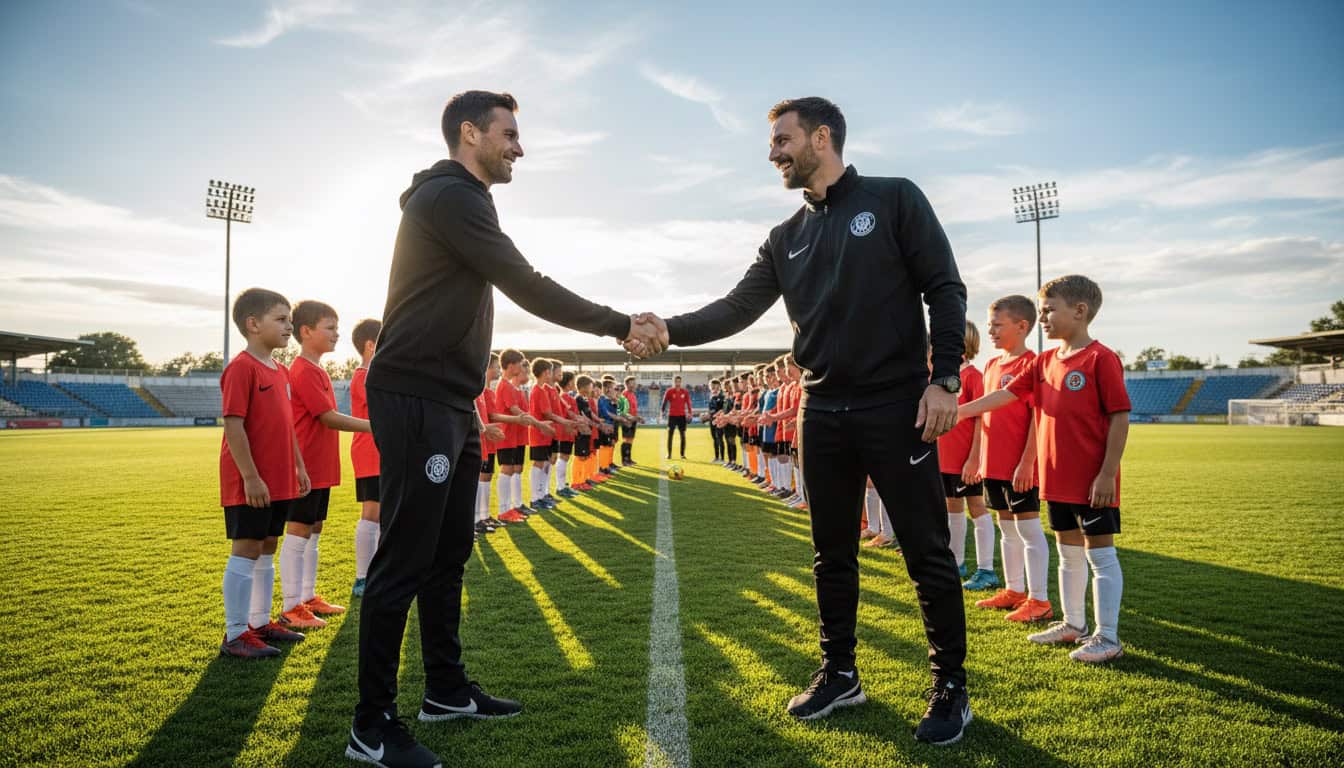
Good post-match etiquette—thanking opponents, exchanging feedback, and following up within 48 hours—transforms one-time fixtures into lasting relationships that make finding quality opposition easier for seasons to come.
Why Post-Match Etiquette Matters
The final whistle ends the match, but it's just the beginning of your relationship with that opponent. How you behave after a friendly determines whether you'll play them again—and whether they'll recommend you to other teams.
What Strong Post-Match Etiquette Delivers
In grassroots football, your network is your fixture list. Post-match moments build that network.
Immediate Post-Match Actions
On the Pitch
Handshakes and acknowledgments
As soon as the match ends:
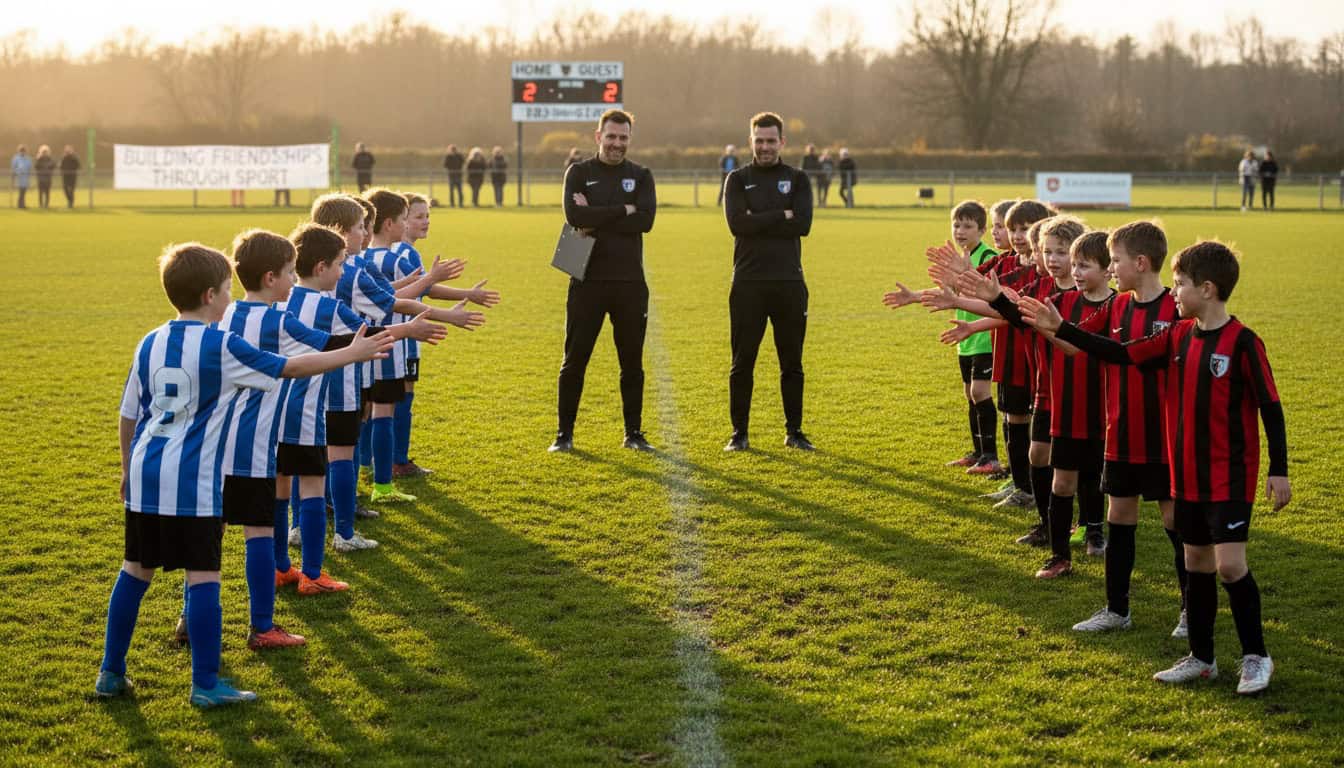
- Players shake hands with opponents (the traditional "line-up" or informal mingling)
- Managers shake hands and exchange brief words
- Thank the referee, even if decisions didn't go your way
- Acknowledge standout performances from opponents genuinely
What to Say
- "Good game, thanks for the match"
- "Your number 9 gave us problems—quality player"
- "Appreciate you making the trip over"
What to Avoid
- Complaining about decisions
- Making excuses for the result
- Ignoring opponents and walking straight off
At the Touchline
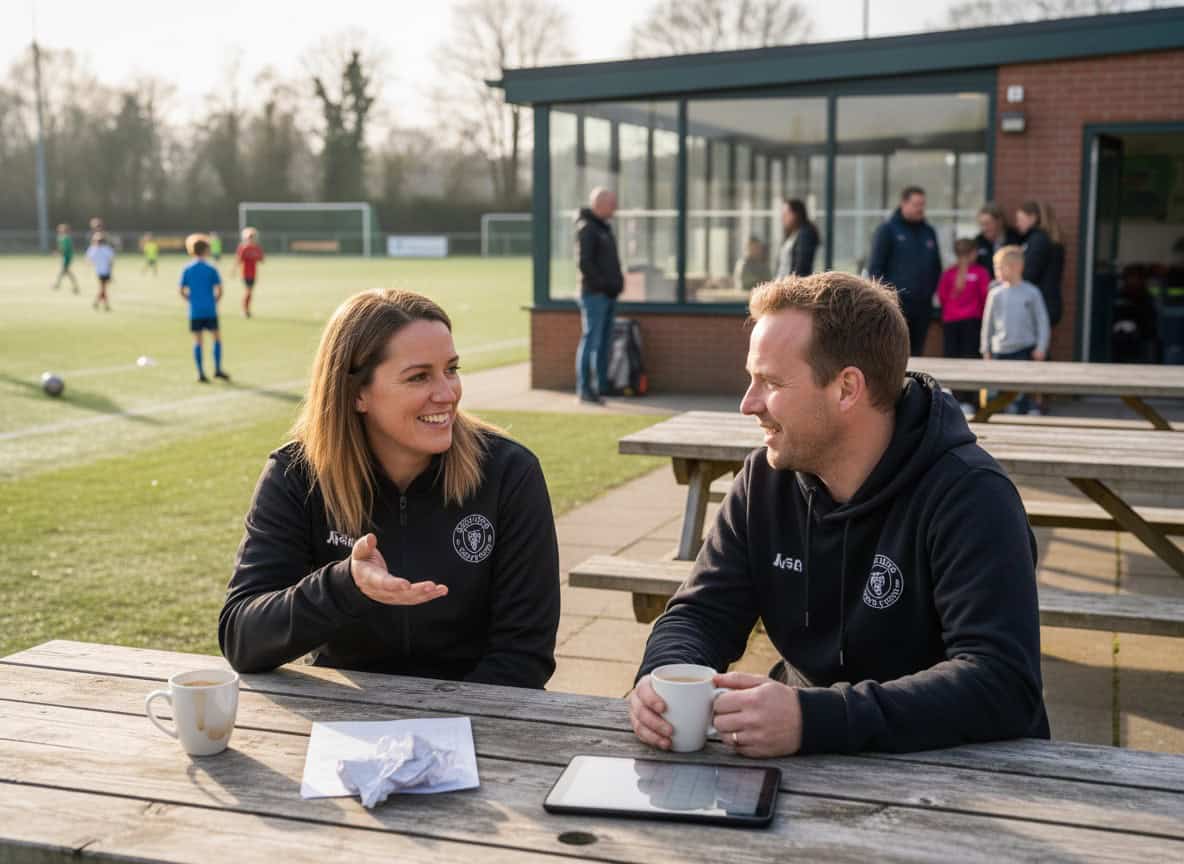
Brief manager conversation
Before everyone disperses:
- Thank them for organizing
- Mention one positive aspect of the game
- Express interest in playing again (if genuine)
- Exchange or confirm contact details if not already shared
Example Exchange
"Thanks for today—your lads played well. We'd be happy to do this again if you're interested. I'll drop you a message this week."
Youth Football Specifics
For youth matches, additional etiquette applies:
- Parents — Thank parent volunteers from both teams
- Players — Ensure your players shake hands appropriately
- Coaches — Model the behavior you want young players to learn
- Photos — Ask permission before photographing opposition players
Following Up After the Match
Timing Matters
Send a follow-up message within 24-48 hours while the match is fresh:
Same Day
Brief thanks if you have a moment
Next Day
Fuller message with fixture suggestion
Beyond 48 Hours
Connection weakens, other priorities take over
What to Include
A good follow-up message covers:
- Thanks — Appreciate their time and effort
- Positive comment — Something specific about the match or their team
- Forward look — Suggest playing again with potential dates
- Open door — Invite them to reach out if they need opponents
Template Follow-Up Message
Hi [Name],

Thanks again for Saturday's game—we enjoyed it. Your team played well, especially in the second half when you pinned us back.

Would you be up for a return fixture? We're looking at [Month] for our next friendly window. Let me know if any weekends work for you.

Also, if you ever need opponents at short notice, feel free to get in touch.

Cheers,
[Your name]
[Team name]
Confirming the Result
If using a platform like Team Game Finder:
- Log the result promptly
- Both teams confirming the score builds credibility
- Add any relevant notes (good communication, well-organized, etc.)
For informal tracking:
- Update your own records
- Note any feedback for future reference
Ready to find matches?
Join verified teams finding friendly matches in minutes, not days.
Building the Relationship Over Time
Stay in Touch Between Fixtures
You don't need to message constantly, but occasional contact maintains the connection:
- Season start — "Hope preseason is going well—let us know if you need any friendlies"
- After their league results — Brief congratulations on a good run (if you follow them)
- Fixture planning windows — Reach out when building your schedule
Create a Positive Cycle
Each positive interaction reinforces the next. After 3-4 successful fixtures, you have a regular opponent you can count on.
Handle Difficult Situations Gracefully
Not every match goes smoothly. Post-match etiquette matters most when things went wrong:
If there was conflict during the match:
- Address it briefly and professionally
- Acknowledge if your side contributed
- Focus on preventing recurrence rather than assigning blame
If the match was a mismatch:
- Don't rub it in if you won heavily
- Don't make excuses if you lost heavily
- Discuss skill level honestly to inform future fixtures
If they cancelled on you previously:
- If they showed up this time, focus on the positive
- Mention reliability expectations for future fixtures diplomatically
Post-Match Etiquette for Different Contexts
Preseason Friendlies
- Focus on fitness and development rather than result
- Offer observations that might help them too
- Flexibility about format (periods, substitutions)
- Set up multiple fixtures across preseason
Competitive Friendlies
- Acknowledge the competitive nature positively
- Let emotions settle before sending follow-up
- Focus on the quality of the contest
- Recognize that both teams wanted to win
Youth Development Matches
- Emphasize player development over results
- Share observations about young players' growth
- Coordinate on future age-group fixtures
- Build relationships between coaching staffs
Veterans and Social Football
- Lean into the social aspect of the fixture
- Post-match refreshments if applicable
- Longer-term fixture planning
- Inclusive, enjoyable football experience
What Good Opponents Remember
Teams you want to play again remember:
| Positive Memories | Negative Memories |
|---|---|
| Prompt communication | Last-minute changes |
| Respectful players | Aggressive behavior |
| Organized setup | Chaos on arrival |
| Gracious in victory/defeat | Poor sportsmanship |
| Quick follow-up | Never heard from them again |
| Suggested future fixtures | One-and-done mentality |
Every interaction shapes their perception. Consistent positive experiences build your reputation.
Creating Reciprocal Value
Offer Before You Ask
Build goodwill by offering value:
- Share venue contacts if they need a pitch
- Recommend referees you've used successfully
- Connect them with other teams if you can't play when they need opponents
- Offer to host when they've traveled to you previously
Be the Team Others Recommend
When other managers ask "who should we play?", you want your name mentioned. This happens when you:
- Follow up reliably
- Communicate clearly
- Behave well on and off the pitch
- Make organizing fixtures easy
Managing Your Opponent Network
Keep Records
Track key information about teams you've played:
- Manager name and contact
- Last fixture date and result
- Match quality rating (1-5)
- Notes on reliability and communication
- Would play again? (Yes/Maybe/No)
Categorize Your Contacts
Over time, opponents fall into groups:
| Category | Description |
|---|---|
| Regular opponents | Play 3+ times per season, reliable and well-matched |
| Occasional opponents | Good for variety, play once or twice per season |
| One-time opponents | Didn't work out for various reasons |
| Prospective opponents | Haven't played yet but on your radar |
Maintain Your Network
Periodic maintenance keeps relationships warm:
- Annual check-in at season start
- Congratulations on achievements
- Quick response when they reach out
- Fair sharing of home/away fixtures
Quick Reference: Post-Match Checklist
Immediately After the Match
- Players shake hands with opponents
- Thank the referee
- Brief positive word with opposition manager
- Confirm or exchange contact details
- Thank any volunteers (youth football)
Within 48 Hours
- Send follow-up message
- Log the result in your records
- Confirm result on any platforms used
- Note any feedback for future reference
Within the Week
- Discuss potential return fixture if appropriate
- Update your opponent database
- Share contact with other teams if they're seeking opponents
How This Relates to Match Organization
Frequently Asked Questions
What if we lost heavily and I'm embarrassed to follow up?
Follow up anyway. A gracious message after a difficult result shows character. Focus on what you learned rather than the scoreline. Teams respect opponents who handle defeats well.
Should I mention the score in my follow-up message?
You can acknowledge it briefly, but don't dwell on it. "Despite the result, we enjoyed the game" is fine. The relationship matters more than the numbers.
How do I follow up if there was a controversial incident?
Address it directly but briefly. "Sorry about the incident in the second half—we've spoken to [player] about it." Then move the conversation to future fixtures.
Is it appropriate to give feedback on their team?
Only if asked, and then carefully. Unsolicited criticism rarely lands well. Positive observations are always welcome: "Your keeper made some great saves."
What if I don't want to play them again?
You don't have to say this directly. A polite "thanks for the game" without suggesting future fixtures signals your position. If pressed, you can cite scheduling difficulties.
How many times should I reach out if they don't respond?
One follow-up is fine. If they don't respond to two messages, move on. Some teams aren't looking for regular opponents, and that's okay.
Should we do post-match refreshments for friendlies?
If you can, it strengthens the social bond. Even basic tea and biscuits or a post-match drink creates positive memories. It's not essential, but it helps.
How do I maintain relationships with many opponents?
Use a simple system—spreadsheet or notes app—to track when you last played and contacted each team. Periodically review and reach out to maintain connections.
What's the best way to suggest a return fixture?
Be specific: "Would you be up for playing us again in March? We're free on the 8th and 15th." Vague suggestions like "we should play again sometime" rarely convert to fixtures.
How do I handle post-match etiquette at tournaments?
Brief acknowledgment between matches is sufficient: "Good game, best of luck in the rest of the tournament." Save detailed follow-up for teams you'd like to play again in regular friendlies.