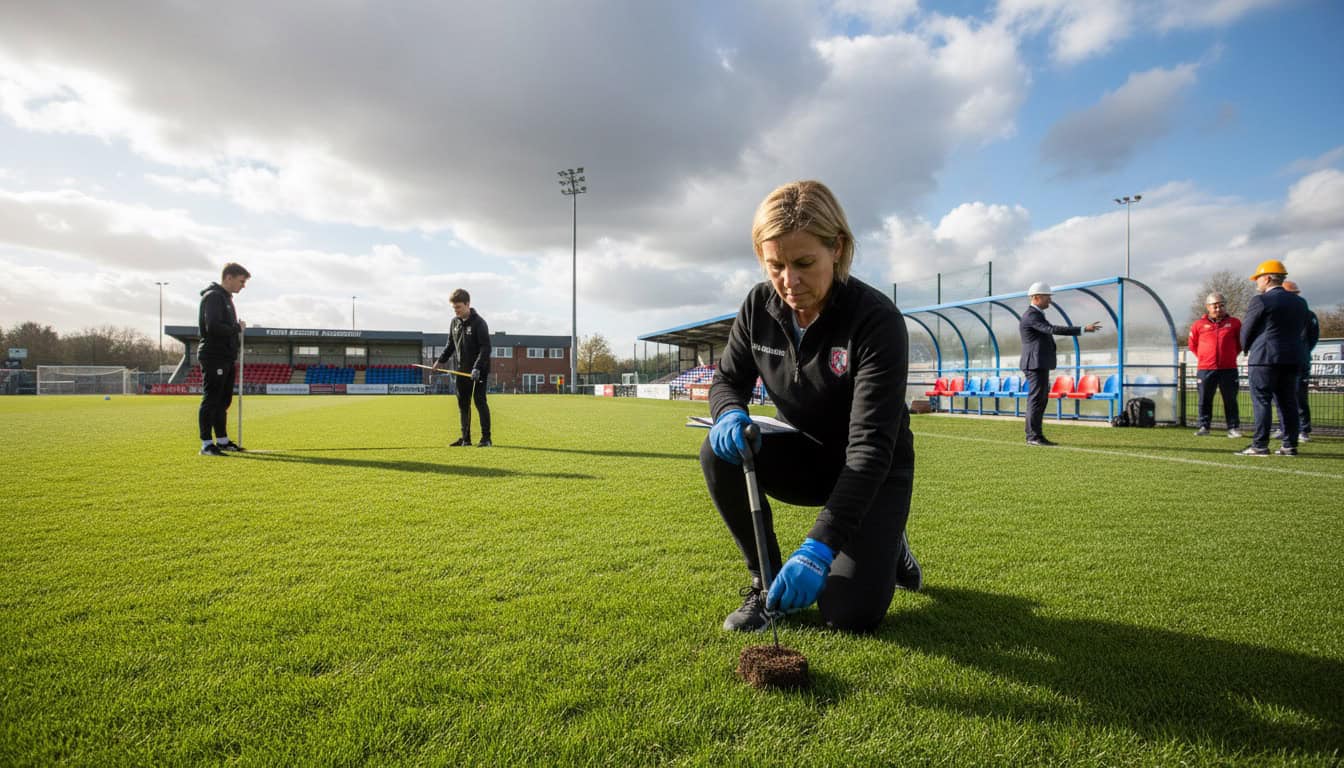
Choosing the right venue for friendly matches depends on your objectives, budget, and opponent relationship. Home matches offer convenience and cost control, away matches build team adaptability, and neutral venues work best when neither team has suitable facilities or when testing tournament conditions.
Why Venue Selection Matters
Venue choice affects more than logistics. Where you play influences player development, team psychology, cost management, and opponent relationships. Strategic venue selection turns friendly matches into more effective preparation tools.
Teams that default to home fixtures miss development opportunities. Teams that always travel away may overspend on logistics. The most effective approach considers each match's purpose and selects the venue accordingly.
Home Matches: Advantages and Considerations
When to Choose Home
Home matches work best when:
- Implementing new tactics — Familiar surroundings reduce variables, letting players focus on new systems
- Building confidence — Teams in rebuilding phases benefit from comfortable environments
- Controlling costs — No travel expenses, predictable venue fees
- Maximizing attendance — Players more likely to attend convenient local fixtures
- Hosting youth teams — Younger players benefit from routine and familiarity
| Advantage | Why It Matters |
|---|---|
| Familiar pitch dimensions | Players know the space, corners, and surface |
| No travel time or cost | Full squad availability, no transport logistics |
| Control over facilities | Changing rooms, equipment, and amenities you know |
| Supporter attendance | Family and friends can watch more easily |
| Reduced player fatigue | No pre-match travel impacts energy levels |
Home Match Considerations
Venue costs remain your responsibility. While you save on travel, you bear full pitch rental, referee fees (if hosting covers this), and any facility charges.
Opponents may expect reciprocity. Consistently hosting without traveling away can strain relationships. Quality opponents expect balanced home/away arrangements over time.
Familiar conditions can mask weaknesses. Teams that only play at home may struggle when conditions change—different pitch sizes, surfaces, or facilities.

Away Matches: Advantages and Considerations
When to Choose Away
Away matches work best when:
- Building team resilience — Adapting to unfamiliar conditions develops mental toughness
- Reducing venue costs — Opponent covers pitch rental
- Strengthening relationships — Accepting away fixtures shows commitment to the partnership
- Preparing for competitions — League and cup matches often require travel
- Scouting potential venues — Discover facilities you might use in future
| Advantage | Why It Matters |
|---|---|
| Adaptability development | Players learn to perform in varied environments |
| Cost sharing | Opponent typically covers venue expenses |
| Relationship building | Shows willingness to reciprocate hosting |
| New experiences | Exposure to different pitch types and conditions |
| Competition simulation | Mirrors league/cup away match conditions |
Away Match Considerations
Travel logistics require planning. Coordinate transportation, account for traffic, and ensure players know the destination. Late arrivals to away venues create poor impressions.
Unfamiliar facilities may lack amenities. Changing rooms, parking, and pitch quality vary. Ask opponents about facilities before committing.
Player availability may decrease. Longer travel distances reduce attendance, especially for recreational teams with work and family commitments.
Making Away Matches Effective
Neutral Venues: Advantages and Considerations
When to Choose Neutral
Neutral venues work best when:
- Neither team has adequate facilities — Both home venues are unsuitable
- Higher-quality pitch needed — Important preparation matches deserve better surfaces
- Tournament simulation — Neutral ground mimics cup or playoff conditions
- Geographic convenience — Meeting halfway reduces total travel for both teams
- Avoiding home advantage dynamics — Creating truly balanced competition
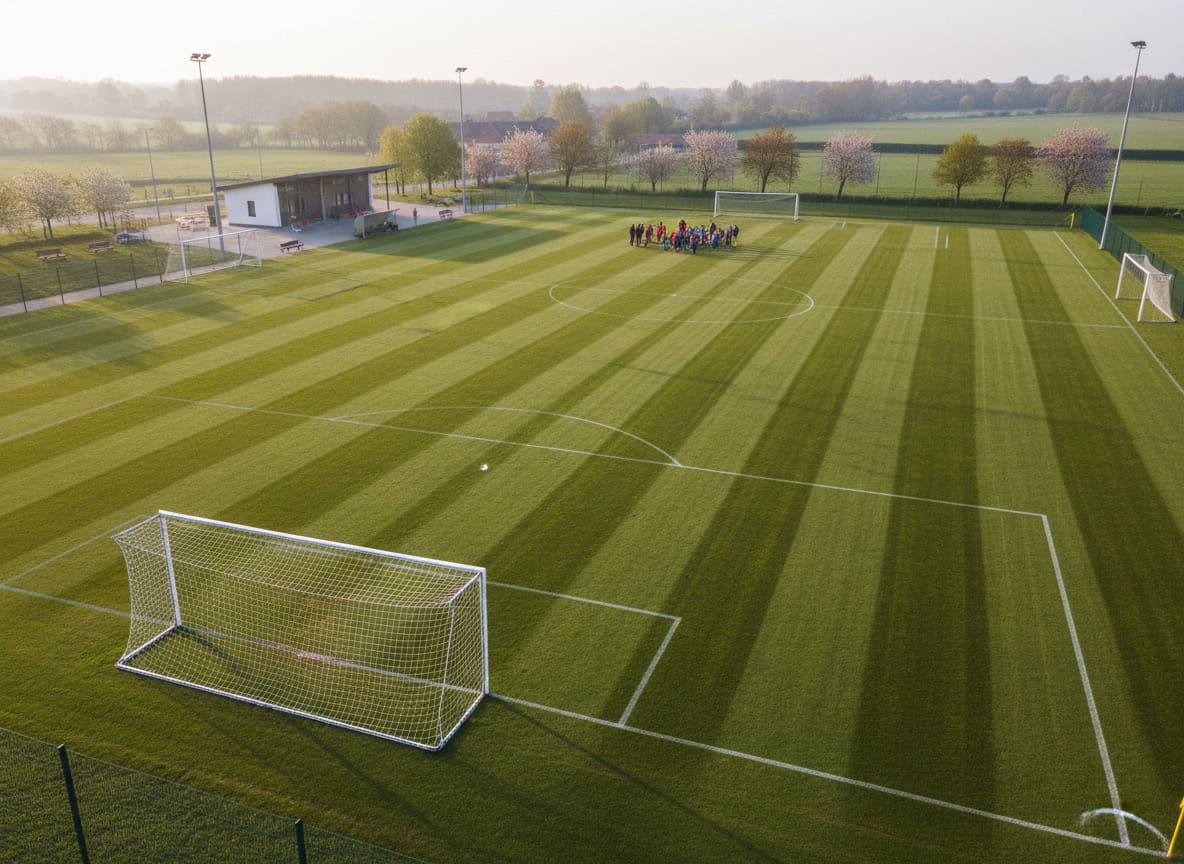
Neutral Venue Considerations
Costs require negotiation. Who pays? Common arrangements include 50/50 splits, alternating who covers each fixture, or proportional sharing based on travel distances.
Booking requires coordination. Both teams must agree on venue selection, and someone needs to handle the reservation.
Facilities vary significantly. Research neutral venues thoroughly—some offer excellent amenities while others provide only a pitch.
Finding Quality Neutral Venues
Cost Comparison by Venue Type
Understanding cost implications helps inform venue decisions:
| Venue Type | Your Costs | Opponent Costs | Notes |
|---|---|---|---|
| Home | Pitch rental, officials, equipment | Travel only | You control quality but bear venue costs |
| Away | Travel, possibly shared officials | Pitch rental, officials | Lower cost but less control |
| Neutral | Share of rental, travel | Share of rental, travel | Higher total cost, split between teams |
Cost-Saving Strategies
For Home Matches
- Book off-peak times when available
- Negotiate multi-match packages with facilities
- Share pitch time with another fixture if timing allows
For Away Matches
- Carpool to reduce transport costs
- Choose opponents with reasonable travel distances
- Combine away fixtures when opponents are geographically close
For Neutral Venues
- Split costs 50/50 with clear upfront agreement
- Choose venues with competitive hourly rates
- Consider municipal facilities over private complexes
Ready to find matches?
Join verified teams finding friendly matches in minutes, not days.
Venue Selection Decision Framework
Step 1: Define Match Objectives
What's the primary purpose of this fixture?
| Objective | Recommended Venue |
|---|---|
| Test new tactics or formations | Home |
| Build team confidence | Home |
| Develop away-match mentality | Away |
| Strengthen opponent relationship | Away (if you hosted last) |
| Prepare for neutral-site competition | Neutral |
| Access better facilities | Neutral or quality away venue |
| Minimize costs | Home (if you have venue) or Away |
Step 2: Consider Practical Factors
- Budget available — Can you afford venue rental or travel costs?
- Player availability — Will travel reduce attendance significantly?
- Opponent preferences — What arrangement works for them?
- Recent history — Have you hosted or traveled for recent fixtures?
- Facility quality — Does either home venue meet your needs?
Step 3: Maintain Balance Over Time
Track your venue distribution across the season:
Recommended Balance for Most Teams
- 40-50% home matches
- 30-40% away matches
- 10-20% neutral venues
Adjust based on circumstances: Teams with excellent facilities may host more frequently. Teams without home venues rely on away and neutral options. Development-focused teams benefit from more away exposure.
Venue Quality Checklist
Before confirming any venue, verify these elements:
Pitch Quality
Facilities
Logistics
Venue Communication Templates
Proposing Home Match
"Hi [Name],
Would you be interested in a friendly at our ground? We have [describe facilities] available on [dates].
Happy to discuss details if this works for you."
Offering to Travel Away
"Hi [Name],
We'd be happy to come to you for our next friendly. What dates work at your venue?
Let me know your availability and facility details."
Suggesting Neutral Venue
"Hi [Name],
Since [reason—neither venue suitable/meeting halfway makes sense], would you consider a neutral venue? [Venue name] has good facilities and is roughly equidistant.
We could split the cost 50/50. Thoughts?"
How This Relates to Other Topics
Frequently Asked Questions
What factors should determine venue selection for friendly matches?
Consider match objectives, budget constraints, player availability, opponent relationship, and the balance of home/away fixtures across your schedule.
Is home advantage significant in friendly matches?
Yes, though less than competitive matches. Familiarity with pitch dimensions and surroundings provides comfort. However, friendlies offer safe opportunities to develop away-match skills.
How should teams without home facilities arrange matches?
Focus on away fixtures with opponents who have grounds, use neutral venues like sports complexes or public pitches, or partner with local facilities for regular bookings.
What's the ideal balance of home and away friendlies?
Most teams benefit from 40-50% home, 30-40% away, and 10-20% neutral venues. Adjust based on your facilities, development priorities, and opponent relationships.
Who typically pays for the venue in friendly matches?
The home team usually covers pitch costs for home fixtures. For neutral venues, costs are commonly split 50/50 or teams alternate covering full costs between fixtures.
How do you evaluate an unfamiliar venue before agreeing to play there?
Ask the opponent about pitch surface, dimensions, changing facilities, parking, and overall condition. Request photos if possible, or visit beforehand for important fixtures.
Should preseason friendlies be at home or away?
Mix both. Early preseason matches at home allow focus on fitness and tactics in familiar settings. Later preseason matches away build the adaptability needed for competition.
What makes a good neutral venue for friendly matches?
Quality pitch surface, adequate changing facilities, reasonable cost, convenient location for both teams, easy parking, and reliable booking availability.
How do you handle venue disputes with opponents?
Approach diplomatically. Offer alternatives, suggest neutral options, or compromise by alternating who hosts. Maintaining the relationship matters more than winning negotiations.
Can venue quality affect player development?
Yes. Consistently playing on poor surfaces can reinforce bad habits and increase injury risk. Quality venues allow proper technique development, though varied conditions build adaptability.