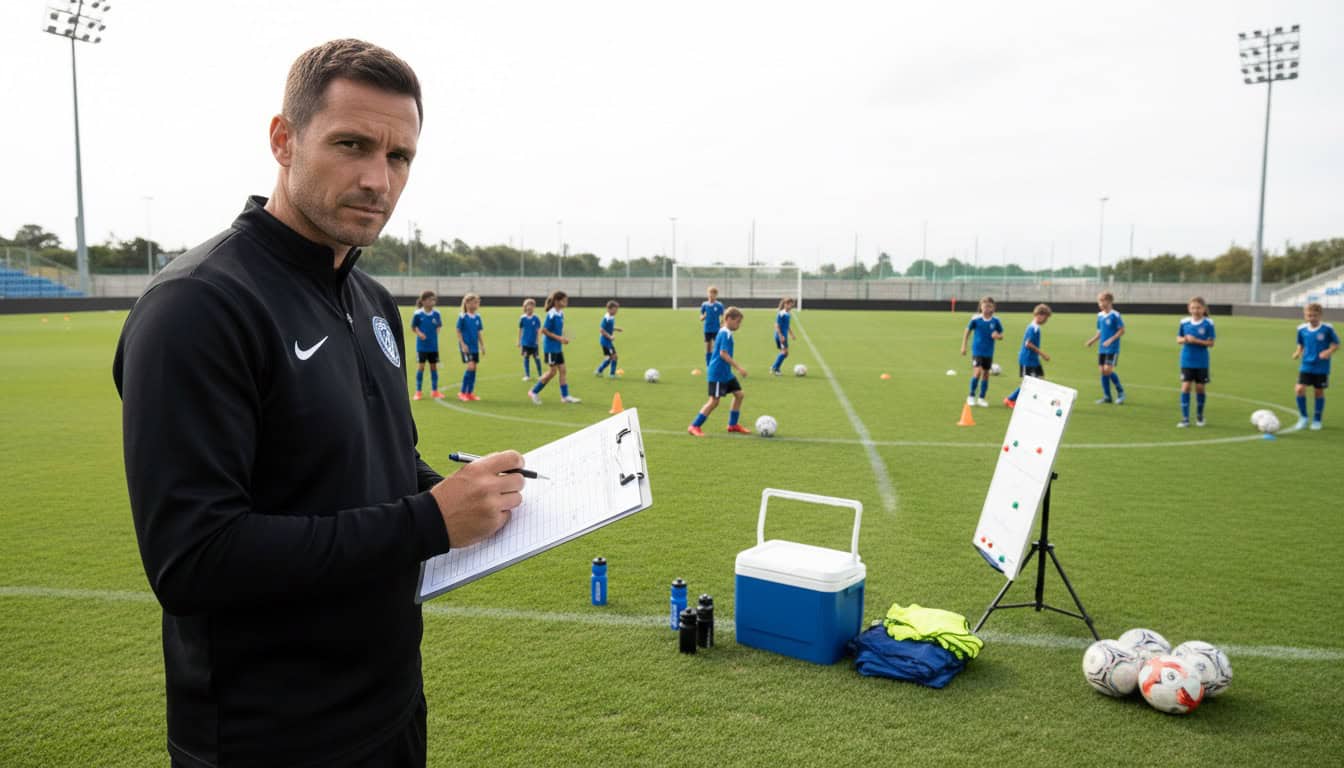
Sports team managers handle four core responsibility areas: administrative operations (registration, compliance, finances), player coordination (availability tracking, selection, communication), match organization (finding opponents, scheduling fixtures, executing match days), and stakeholder management (parents, volunteers, club officials). This checklist breaks down each area into actionable tasks you can systematically address.
Key Takeaways
- Four responsibility pillars - Administration, player coordination, match organization, and stakeholder management form the complete scope of team management duties
- Match organization priority - Teams exist to play; finding opponents and organizing fixtures deserves more attention than most managers give it
- Systems reduce workload - Documented processes for recurring tasks free time for relationship building and problem solving
Understanding the Team Manager Role
The team manager role expands far beyond what most people expect before taking it on. Whether you inherited the position, volunteered when no one else would, or actively sought the responsibility, understanding the full scope helps you prioritize effectively and avoid burnout.
This comprehensive checklist organizes every team manager responsibility into logical categories. Use it to audit your current practices, identify gaps, and build systematic approaches to each area.
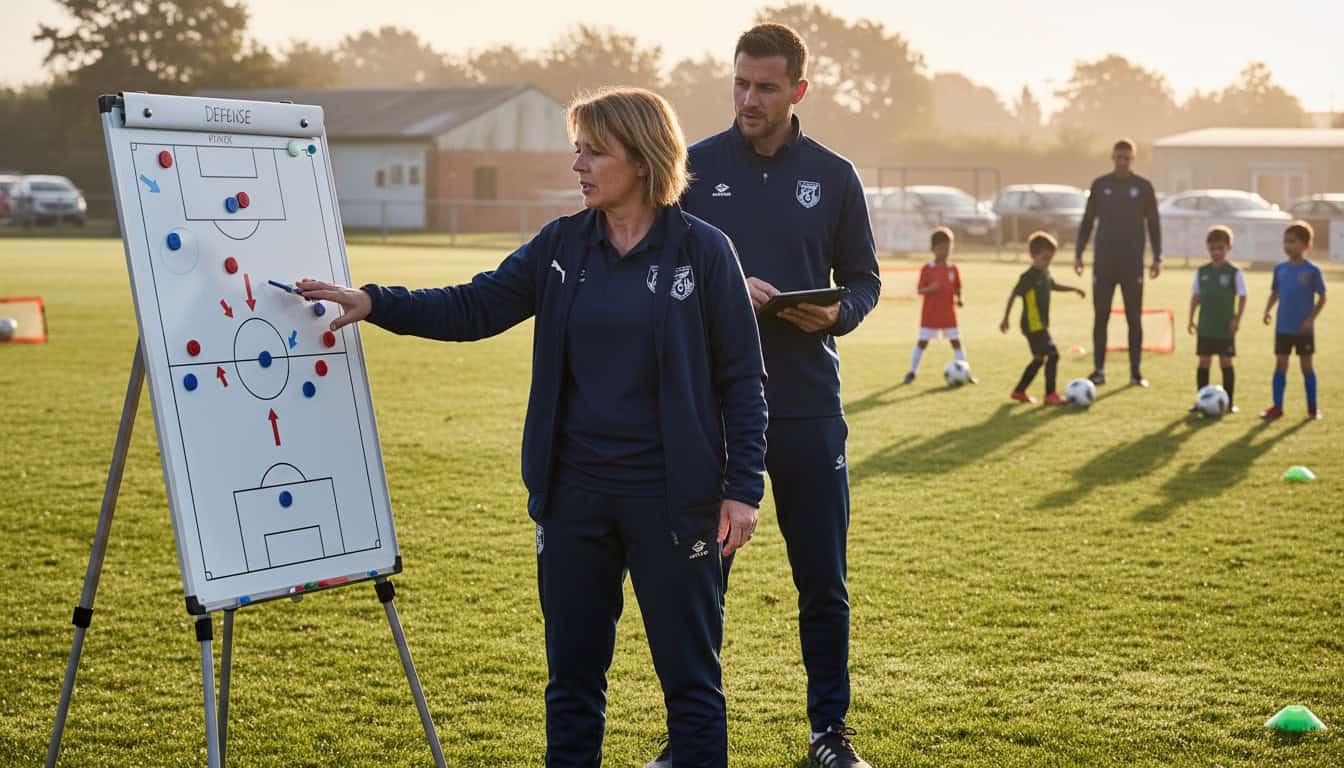
Administrative Responsibilities Checklist
Administrative tasks create the foundation for everything else. Without proper registration, insurance, and compliance, teams cannot function within organized football structures.
Registration and Compliance
Pre-Season Tasks
- ▢ Complete team registration with league/association before deadline
- ▢ Register all players with appropriate governing body
- ▢ Verify age documentation for youth players
- ▢ Confirm coaching staff credentials and registrations
- ▢ Submit required team information (colors, home venue, contact details)
Ongoing Tasks
- ▢ Process mid-season player registrations promptly
- ▢ Maintain proof of age documentation accessibility
- ▢ Track player eligibility status (suspensions, transfers)
- ▢ Submit required reports to league/association
- ▢ Respond to compliance inquiries from governing bodies
Insurance and Safety
- ▢ Verify team insurance coverage is current and adequate
- ▢ Understand coverage scope and exclusions
- ▢ Know incident reporting procedures
- ▢ Maintain accessible first aid supplies
- ▢ Ensure emergency contact information is current for all players
- ▢ Document any incidents according to required procedures
Financial Management
Income Tracking
- ▢ Collect membership fees and subscriptions on schedule
- ▢ Track match day income (if applicable)
- ▢ Record fundraising proceeds accurately
- ▢ Document sponsorship or grant receipts
Expense Management
- ▢ Pay facility hire and pitch fees on time
- ▢ Process equipment and kit purchases
- ▢ Handle referee payments promptly
- ▢ Submit league and cup entry fees by deadlines
- ▢ Track travel and transport costs

Player Coordination Checklist
Managing the humans in your squad creates both the greatest challenges and satisfactions in team management.
Availability Management
System Setup
- ▢ Establish clear availability collection method
- ▢ Set consistent deadlines for availability responses
- ▢ Create follow-up process for non-responders
- ▢ Document availability patterns for planning
Weekly Tasks
- ▢ Request availability for upcoming fixtures
- ▢ Follow up with players who haven't responded
- ▢ Compile availability information for selection
- ▢ Communicate any availability concerns to coaching staff
Selection and Playing Time
Youth Teams
- ▢ Define and communicate playing time commitments
- ▢ Track playing time to ensure commitments are met
- ▢ Rotate positions for development purposes
- ▢ Document selection decisions and rationale
Adult Teams
- ▢ Establish clear selection criteria
- ▢ Communicate selection decisions appropriately
- ▢ Handle selection disappointment professionally
- ▢ Maintain selection records for reference
Player Communication
Regular Communications
- ▢ Send weekly fixture and training confirmations
- ▢ Communicate schedule changes promptly
- ▢ Provide clear logistics information (times, venues, kit requirements)
- ▢ Share relevant team news and updates
Ready to find matches?
Join verified teams finding friendly matches in minutes, not days.
Match Organization Checklist
Teams exist to play matches. This responsibility area deserves significant attention, yet many managers treat it as secondary to training and internal team matters.
Fixture Planning
Season Framework
- ▢ Map competitive calendar (league, cups, tournaments)
- ▢ Identify windows suitable for friendly matches
- ▢ Set realistic targets for friendly match volume
- ▢ Plan preseason fixture schedule
Preseason Specific
- ▢ Determine number of preseason friendlies needed
- ▢ Plan progressive intensity across preseason
- ▢ Begin opponent search 6-8 weeks before first fixture
- ▢ Confirm all preseason fixtures by training start
Finding Opponents
Proactive Search
- ▢ Maintain profiles on match-finding platforms
- ▢ Post availability when seeking fixtures
- ▢ Search actively for suitable opponents
- ▢ Respond promptly to inbound fixture requests
For comprehensive opponent-finding strategies, see The Complete Guide to Finding Sports Team Opponents.
Match Confirmation Protocol
Initial Booking
- ▢ Document all match details in writing immediately
- ▢ Confirm date, time, venue, and format
- ▢ Agree referee arrangements
- ▢ Exchange contact information
- ▢ Send written confirmation and request acknowledgment
7-Day Reminder
- ▢ Reconfirm fixture is in opponent's calendar
- ▢ Verify player availability on both sides
- ▢ Finalize referee arrangements
- ▢ Discuss weather contingencies
- ▢ Exchange match-day contact numbers
48-Hour Check
- ▢ Final confirmation of all logistics
- ▢ Share parking and access instructions
- ▢ Confirm referee confirmed
- ▢ Check weather forecast
- ▢ Agree cancellation threshold if weather uncertain
Stakeholder Management Checklist
Team managers coordinate between multiple stakeholder groups. Strong relationships in each area create sustainable team operations.
Parent Relations (Youth Teams)
Expectations Setting
- ▢ Communicate team philosophy clearly at season start
- ▢ Explain playing time approach and selection criteria
- ▢ Set communication norms and boundaries
- ▢ Define appropriate touchline behavior
Issue Resolution
- ▢ Listen fully before responding to complaints
- ▢ Focus on specific behaviors in feedback
- ▢ Follow up after addressing concerns
- ▢ Escalate appropriately when needed
Volunteer Coordination
Recruitment
- ▢ Identify specific volunteer needs
- ▢ Communicate roles and time commitments clearly
- ▢ Make volunteering accessible and welcoming
- ▢ Look beyond obvious sources for helpers
Retention
- ▢ Respect volunteer time commitments
- ▢ Provide support and guidance for roles
- ▢ Show genuine appreciation regularly
- ▢ Address issues before volunteers burn out
Seasonal Rhythm Checklist
Effective managers establish predictable rhythms rather than reacting to each week individually.
Weekly Tasks
- ▢ Confirm upcoming fixture details
- ▢ Collect and compile availability
- ▢ Communicate training and match information
- ▢ Handle arising issues promptly
- ▢ Update fixture tracking systems
Monthly Tasks
- ▢ Review upcoming fixture calendar
- ▢ Assess squad development progress
- ▢ Check budget status
- ▢ Communicate with key stakeholders
- ▢ Address any accumulated issues
Quarterly Tasks
- ▢ Evaluate processes and identify improvements
- ▢ Address any systemic issues
- ▢ Plan for upcoming period
- ▢ Recognize volunteer contributions
- ▢ Review opponent relationships and networks
How This Relates to Team Management
This checklist supports broader team management activities:
- Match organization - The fixture-related responsibilities connect directly to The Complete Guide to Finding Sports Team Opponents
- Seven finding methods - The opponent search tasks detailed here expand in 7 Ways to Find Opponents for Friendly Matches
- Verification - Learn how to vet potential opponents in How to Verify Legitimate Sports Organizations
Using This Checklist
This checklist works best as a reference tool rather than a daily to-do list:
Initial Audit
Work through each section to identify gaps in your current practices. Note areas needing immediate attention versus longer-term improvements.
Priority Setting
Focus first on compliance essentials and match organization. Other areas can develop over time.
System Building
For recurring tasks, create simple processes that make completion routine rather than requiring fresh decisions each time.
Regular Review
Return to this checklist quarterly to ensure nothing has slipped and identify areas for continued improvement.
Frequently Asked Questions
What are the main responsibilities of a sports team manager?
Sports team managers handle four core areas: administrative operations (registration, compliance, finances, documentation), player coordination (availability, selection, communication, development), match organization (finding opponents, scheduling, confirmation, execution), and stakeholder management (parents, volunteers, club officials, community). Effective managers balance attention across all four areas.
How is a team manager different from a coach?
Coaches focus on player development, training sessions, tactics, and match-day decisions about play. Managers handle organizational aspects: administration, fixture scheduling, communication, and stakeholder relations. Some roles combine both functions, while larger organizations separate them. The key distinction is football versus organizational focus.
What skills does a team manager need?
Essential skills include: organizational ability to manage multiple responsibilities, communication skills for diverse stakeholders, reliability to follow through on commitments, problem-solving to handle issues as they arise, and relationship-building to work effectively with players, parents, volunteers, and officials. Football knowledge helps but matters less than organizational competence.
How do I become a team manager?
Most grassroots managers start by volunteering when their child joins a team or when an existing manager steps down. Begin by understanding current processes, building relationships with stakeholders, and gradually taking on responsibilities. Formal qualifications exist but aren't required for most amateur roles.
What tools do team managers need?
Essential tools include: communication platform for the squad, calendar system for fixtures, availability tracking method, basic financial records, and document storage. Start simple and add tools only when clear needs emerge. The best tool is the one your team actually uses consistently.
How much time does team management require?
Expect 5-10 hours weekly for most grassroots teams, with higher demands during preseason and around major fixtures. Time requirements decrease as systems mature. Multi-squad coordination or higher-level teams may require more significant investment.
What's the hardest part of being a team manager?
Most managers find stakeholder management - particularly parent relations in youth teams - the most challenging aspect. Administrative tasks and match organization follow processes, but human dynamics require judgment, diplomacy, and patience. Building strong communication foundations early reduces ongoing difficulty.
How do I handle conflicts between players or parents?
Address issues privately and promptly. Listen fully to all perspectives before responding. Focus on specific behaviors rather than character judgments. Document conversations and agreed actions. Follow up to confirm resolution. Escalate to club officials if patterns continue despite direct intervention.
Should I create a team handbook?
Yes, documentation benefits teams significantly. A handbook covering philosophy, policies, contact information, and procedures creates consistency and reduces repeated explanations. Start with essentials and expand over time.
How do I balance team management with my own life?
Set boundaries around your availability. Establish communication response expectations that don't require 24/7 attention. Delegate responsibilities to distribute workload. Use systems and processes to reduce time spent on routine tasks. Accept that perfection isn't possible and focus on what matters most.
Ready to find your next match?
Join verified teams finding opponents in minutes.
Create your free accountNo credit card required