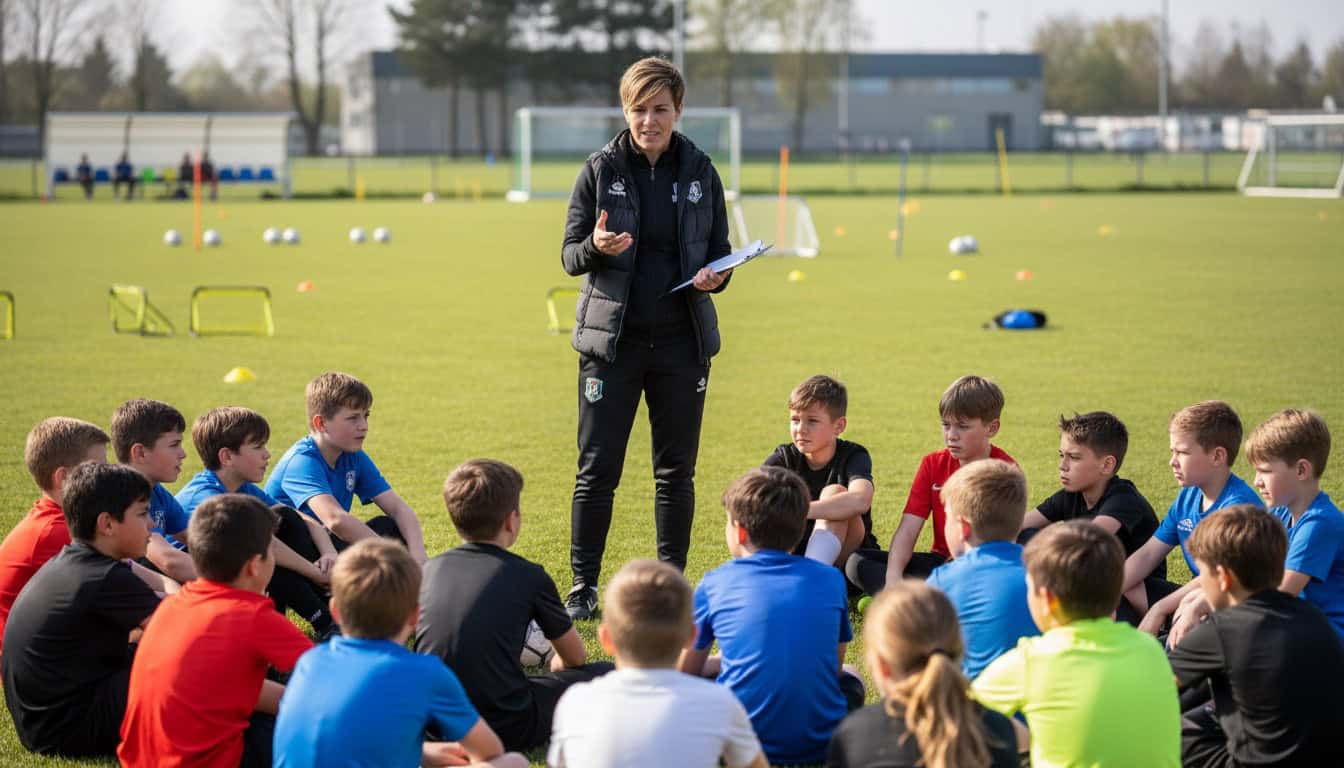
Effective sports team management combines administrative organization, player coordination, and match scheduling into a cohesive system. The most successful team managers focus on three core areas: building reliable processes that reduce weekly workload, maintaining clear communication channels with players and parents, and developing opponent networks that ensure consistent match opportunities.
Key Takeaways
- 1. Systems over heroics — Managers with documented processes spend less time on administration and more time on football, while delivering better experiences for players
- 2. Match focus — Teams exist to play matches; organizing quality fixtures should be central to management priorities, not an afterthought
- 3. Relationship building — Strong networks with other clubs, volunteers, and parents create sustainable team operations that survive personnel changes
What Team Management Actually Involves
The team manager role encompasses far more than most people realize before taking it on. Whether you're a parent who volunteered, a former player transitioning to administration, or a coach expanding responsibilities, understanding the full scope helps you prioritize effectively.
The Four Pillars of Team Management
-
Administrative Operations The paperwork and logistics that keep teams functioning: registration, insurance, league compliance, financial tracking, and communication systems.
-
Player and Squad Management Coordinating the humans who make up your team: availability tracking, selection decisions, playing time management, and development planning.
-
Match Organization Finding opponents, scheduling fixtures, confirming arrangements, and executing match days. This area often receives insufficient attention despite being the primary reason teams exist.
-
Stakeholder Relations Managing relationships with parents, volunteers, club officials, league administrators, and the broader football community.
Most struggling teams neglect one or more pillars while overinvesting in others. Balanced attention across all four creates stable, successful organizations.

Getting Started: First Steps for New Managers
If you're new to team management, the learning curve feels steep. Start with fundamentals before optimizing.
Essential First Actions
Understand Your Context
Before changing anything, learn how things currently work. What systems exist (even informal ones)? Who handles which responsibilities? What are the immediate pain points? What's working well?
Establish Communication Channels
Players and parents need reliable ways to receive information. Choose platforms and stick with them: team messaging app for quick updates, email for formal communications, and clear expectations about response times.
Document Everything
Create records from day one: player contact information and emergency details, match results and attendance, financial transactions, and important decisions with their rationale.
Meet Key Stakeholders
Build relationships early with parents of all players (not just the vocal ones), club officials who can help or hinder, league contacts for fixtures and compliance, and other team managers in your organization.
For comprehensive guidance on your first months, see Running Your First Season as Team Manager.
Common First-Season Mistakes
Avoid These Early Pitfalls
- Trying to change everything immediately. Existing systems, however imperfect, represent accumulated knowledge. Understand before replacing.
- Underestimating administrative time. Budget significant hours weekly for non-football tasks. This isn't wasted time—it's essential infrastructure.
- Neglecting relationship building. Technical competence matters less than trust. Invest in connections before demanding changes.
- Ignoring match organization. New managers often focus on training while letting fixture scheduling slide. Teams need matches to develop.
1 Core Administrative Responsibilities
Administrative tasks form the unglamorous backbone of team management. Systematic approaches transform these from constant burdens into manageable routines.
Registration and Compliance
Every organized team operates within regulatory frameworks. Handle player registration accurately and on time, maintain proof of age documentation, track registration status for all squad members, and manage mid-season additions properly.
Ensure appropriate insurance coverage exists, understand what's covered, know incident reporting procedures, and keep documentation accessible.
Financial Management
Even volunteer-run teams handle money. Track all income (membership fees, match day collections, fundraising, sponsorship) and manage expenses (facility hire, equipment, referee payments, league fees, travel costs). Maintain accurate records, provide transparency to stakeholders, and build reserves for unexpected costs.
Communication Systems
Information flow determines team effectiveness. Establish predictable communication rhythms: weekly fixture confirmations, training reminders as needed, monthly summaries, and seasonal planning communications.
For detailed checklists covering all administrative responsibilities, see Team Manager Responsibilities: The Complete Checklist.
Ready to find matches?
Join verified teams finding friendly matches in minutes, not days.
2 Player and Squad Management
Managing people creates both the greatest challenges and rewards in team management.
Availability Tracking
Knowing who's available for each fixture seems simple but causes endless frustration without proper systems. Request availability in advance, set clear deadlines for responses, follow up systematically with non-responders, and track patterns to predict future issues.
Various system approaches work depending on team culture: dedicated availability apps, simple group polls, spreadsheet-based tracking, or integrated team management platforms.
For comprehensive availability management strategies, see Managing Player Availability: Best Practices.
Selection and Playing Time
Selection decisions test managers more than any other responsibility.
Youth Teams: Development priorities typically override competitive concerns. Commit to minimum playing time and deliver consistently, rotate positions to build complete players, focus on learning over winning, and communicate philosophy clearly to parents.
Adult Recreational: Balance participation with basic competitive standards. Ensure everyone plays regularly and consider player preferences alongside team needs.
Adult Competitive: Merit-based selection with clear criteria. Define what earns selection, communicate standards consistently, and handle disappointment professionally.
3 Match Organization: The Core Function
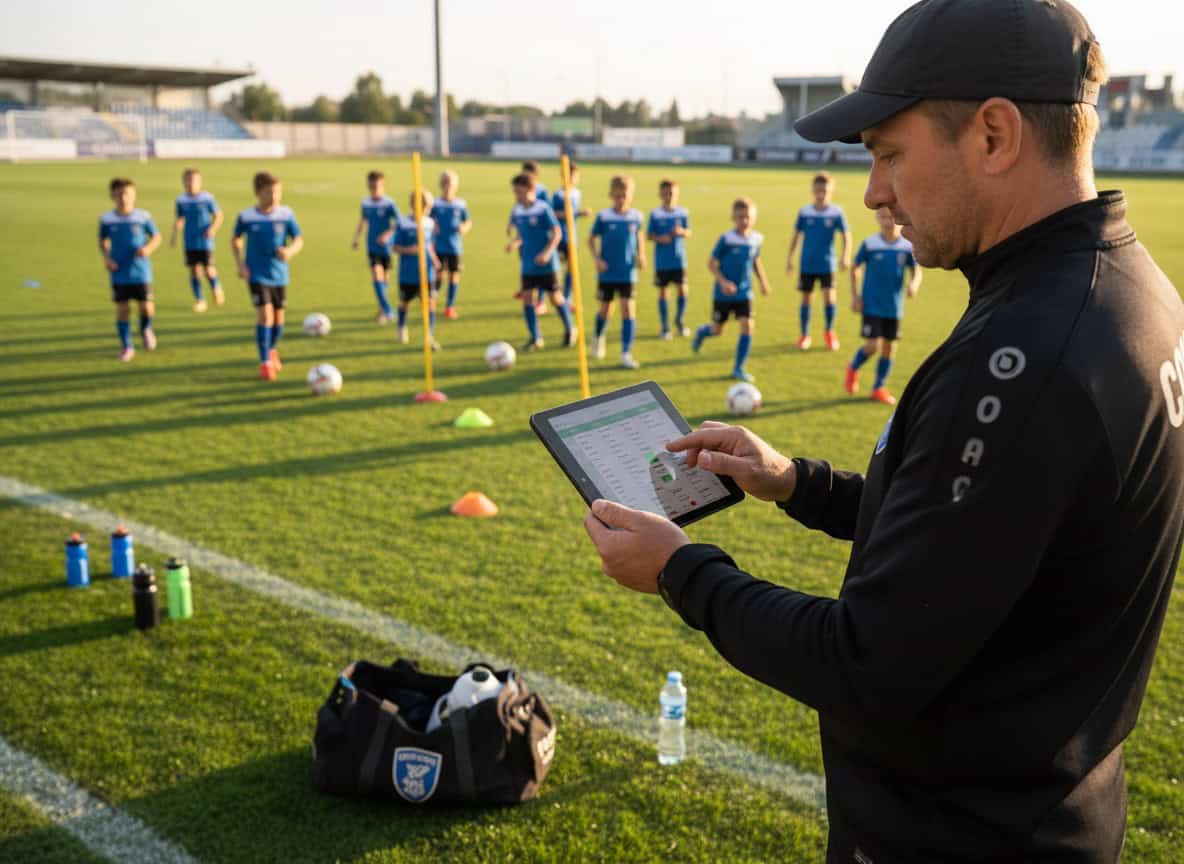
Teams exist to play matches. Yet many managers treat match organization as a secondary concern, focusing instead on training sessions while fixtures happen haphazardly. This inverts proper priorities.
Why Match Organization Matters Most
Player Development: Training builds skills; matches develop players. Game situations provide learning that practice cannot replicate.
Team Cohesion: Squads bond through shared match experiences. The emotions of competition build connections that training sessions cannot.
Motivation: Players and parents tolerate administrative imperfection but lose patience when matches don't happen. Regular, well-organized fixtures maintain engagement.
Building Your Match Calendar
Proactive calendar management prevents the scramble of last-minute fixture hunting. Map your season by identifying all committed fixtures, noting periods when friendlies make sense, accounting for school holidays, and building realistic targets for friendly volume.
Finding Opponents
Empty fixture lists result from passive approaches to opponent discovery. Active, multi-channel methods produce consistent match calendars:
- Dedicated Platforms — Match-finding services connect teams seeking fixtures efficiently
- Network Development — Build relationships with managers at similar clubs
- Association Resources — Football associations often facilitate friendly arrangements
- Social Media — Local football groups provide opponent discovery opportunities
For comprehensive opponent-finding strategies, see The Complete Guide to Finding Sports Team Opponents.
4 Working with Volunteers
Most grassroots teams depend on volunteers. Managing these relationships requires different approaches than managing employees.
Recruiting Volunteers
Be specific about what you need: match day roles (running lines, managing subs bench, first aid), administrative support, logistics (kit washing, equipment maintenance), and coaching assistance.
Make asking easy by describing time commitments honestly, offering role flexibility, providing clear guidance, and expressing genuine appreciation. Look beyond the obvious—former players, grandparents, and local business supporters all represent potential volunteers.
Retaining Volunteers
Keeping volunteers matters more than recruiting them. Respect their time, provide support, and show appreciation. Thank volunteers specifically and publicly, celebrate contributions at season end, and provide references when requested.
For detailed recruitment strategies, see How to Recruit and Retain Team Volunteers.
For comprehensive volunteer management guidance, see Volunteer Sports Club Management: A Practical Guide.
5 Managing Parent Relationships
Youth team managers spend significant time navigating parent dynamics. Proactive management prevents most common issues.
Setting Expectations
Clear communication from the start prevents misunderstandings. Articulate your team philosophy: development priorities versus competitive focus, playing time commitments, selection criteria, and behavior expectations.
Define appropriate parent involvement: touchline behavior expectations, post-match interaction guidelines, feedback processes (not immediately after games), and coach/manager decision authority.
Handling Difficult Conversations
Playing Time Concerns: The most common parental complaint. Listen fully before responding, explain selection criteria and philosophy, avoid comparing to other players, and focus on what their child can control.
Behavioral Issues: Address privately and promptly. Focus on specific behaviors, not character. Explain standards clearly, document conversations, and escalate if patterns continue.
For comprehensive guidance, see Managing Parent Expectations in Youth Sports.
Tools and Technology
Modern team management benefits from purpose-built technology, but tools should serve processes, not replace them.
Essential Tool Categories
- Communication Platforms — Team messaging, email for formal communications, calendar sharing
- Administrative Tools — Registration management, financial tracking, document storage
- Match Organization — Availability collection, opponent finding, fixture scheduling, result tracking
- Development Support — Performance tracking, video analysis, training planning
Choosing the Right Tools
Avoid tool proliferation that creates more work than it saves. Start simple and add only when clear need emerges. Prioritize adoption—the best tool is the one people actually use. Integrate where possible to reduce duplicate data entry.
For comprehensive tool recommendations, see The Tools Every Sports Team Manager Needs.
Managing Multiple Squads
Organizations running several teams face coordination challenges that single-team managers don't encounter.
Organizational Structure
Clear structures prevent confusion. Define who manages each squad, who coordinates across squads, who handles organization-wide administration, and how decisions affecting multiple teams are made.
Address resource allocation: how are facilities shared? How are equipment budgets divided? How are coaching resources distributed? How are conflicts resolved?
Common Multi-Squad Challenges
Player Movement: Players moving between squads requires clear criteria, communication with affected players and parents, and coordination between managers.
Fixture Conflicts: Multiple squads create scheduling complexity. Maintain centralized fixture calendars, establish priority rules, and communicate known issues early.
For detailed guidance, see How to Manage Multiple Squads in One Organization.
Season Planning
Effective managers plan ahead rather than reacting to each week as it arrives.
Pre-Season Preparation
Use the off-season productively for administrative setup (complete registrations, confirm insurance, update contacts), squad development (assess composition, identify recruitment needs), fixture planning (map calendar, identify friendly opportunities, begin opponent outreach), and communication launch (welcome messaging, philosophy communication, volunteer recruitment).
In-Season Rhythm
Establish sustainable patterns. Weekly: confirm fixtures, collect availability, communicate training/match info. Monthly: review calendar, assess development, check budget. Quarterly: evaluate what's working, address accumulated issues, recognize volunteers.
For month-by-month guidance, see Season Planning for Team Managers.
Creating Team Documentation
Written documentation creates consistency and enables delegation.
Essential Documents
Team Handbook: Comprehensive reference covering team philosophy and values, policies and procedures, contact information, and key dates.
Role Descriptions: Clear expectations for manager responsibilities, coach responsibilities, volunteer roles, and parent expectations.
Process Documentation: How-to guides for match day setup, communication procedures, registration processes, and financial procedures.
For handbook creation guidance, see Creating a Team Handbook: What to Include.
How This Relates to Other Topics
Team management connects to every aspect of running a successful sports organization:
- Finding opponents — A core management responsibility. Quality opponent networks determine fixture quality.
- Match organization — The execution arm of team management. Process excellence here distinguishes great managers.
- Youth development — Youth team managers face unique challenges. Age-appropriate approaches matter.
- Scheduling systems — Availability and calendar management. Good systems reduce weekly workload significantly.
Frequently Asked Questions
What are the main responsibilities of a sports team manager?
Sports team managers handle four core areas: administrative operations (registration, compliance, finances, communication), player and squad management (availability, selection, development), match organization (finding opponents, scheduling, execution), and stakeholder relations (parents, volunteers, officials). Effective managers balance attention across all four rather than focusing exclusively on any one area.
How do I become a better team manager?
Focus on building systems rather than working harder. Document processes so tasks become routine rather than requiring fresh decisions each time. Invest in relationships with other managers, volunteers, and parents. Prioritize match organization since teams exist to play. Seek feedback regularly and adapt your approach based on what you learn.
What tools do team managers need?
Essential tools include: a team communication platform (messaging app or dedicated team management software), calendar system for fixtures and events, availability tracking method, basic financial tracking, and document storage. Start simple and add tools only when clear needs emerge—the best tool is the one people actually use.
How much time does managing a sports team take?
Most grassroots team managers spend 5-10 hours weekly on management tasks, with higher demands during preseason and around major fixtures. Time requirements decrease as systems mature and processes become routine. Multi-squad coordination or higher-level teams may require more significant time investment.
How do I find opponents for my team's matches?
Use multiple channels simultaneously: dedicated match-finding platforms, football association networks, social media communities, direct outreach to similar clubs, and referrals from existing contacts. Post your availability proactively rather than only searching when you need fixtures. Build relationships with suitable opponents for ongoing fixture arrangements.
How do I handle difficult parents?
Set clear expectations from the start about team philosophy, communication norms, and appropriate behavior. When issues arise, meet privately and listen fully before responding. Focus on specific behaviors rather than character judgments. Document conversations and follow up to confirm improvement. Escalate to club officials if patterns continue despite direct intervention.
What's the best way to track player availability?
Choose a method that matches your team's technology comfort: dedicated availability apps, simple group polls, spreadsheet tracking, or integrated team management platforms. Whatever system you choose, request availability proactively in advance, set clear response deadlines, follow up systematically with non-responders, and track patterns to predict future issues.
How do I recruit volunteers for my team?
Be specific about what you need and the time commitment involved. Make asking easy by describing roles clearly and offering flexibility. Look beyond obvious sources—grandparents, former players, and community members all represent potential volunteers. Show genuine appreciation and provide support to retain volunteers once recruited.
How should I plan my team's season?
Start with your competitive calendar, then identify windows for friendlies and development activities. Complete administrative requirements early (registration, insurance). Plan fixture scheduling before the season begins rather than scrambling each week. Establish sustainable weekly rhythms for communication and tasks. Build in checkpoints for evaluation and adjustment.
Ready to find your next match?
Join verified teams finding opponents in minutes.
Create your free accountNo credit card required