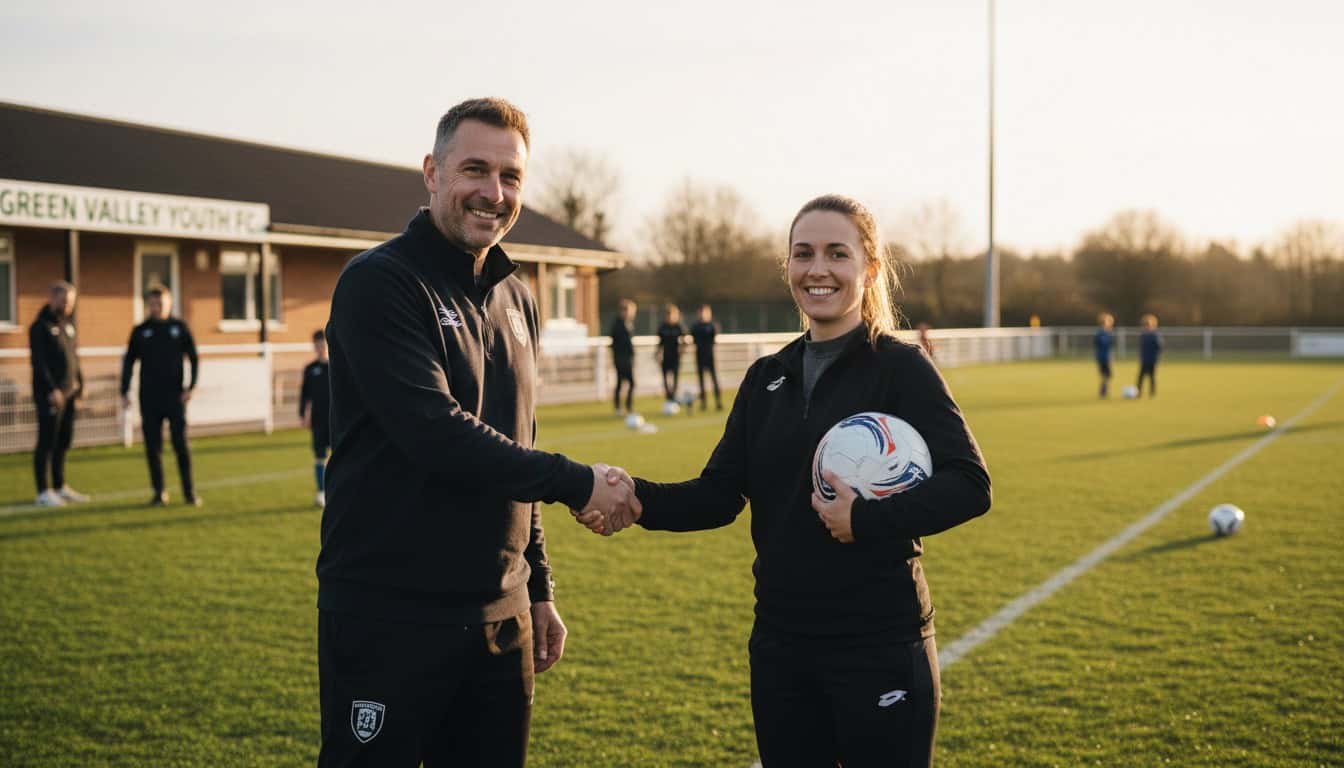
Recruit volunteers by identifying specific roles people can fill, asking personally rather than making general appeals, and matching tasks to individual skills and availability—then retain them by showing appreciation, making their contribution meaningful, and respecting their time.
Why Volunteers Matter to Your Team
Grassroots football runs on volunteers. Without them, there are no team managers, coaches, referees, kit washers, match-day organizers, or driving parents. Your ability to recruit and retain good volunteers directly affects your team's success.
The Volunteer Challenge
Understanding how to attract and keep volunteers is an essential management skill.
Understanding What Volunteers Want
Why People Volunteer
People help for different reasons:
| Motivation | What They Seek |
|---|---|
| Social connection | Being part of something, meeting people |
| Giving back | Contributing to their community or sport |
| Child involvement | Supporting their own child's activity |
| Skill development | Learning new abilities, gaining experience |
| Recognition | Feeling valued and appreciated |
| Enjoyment | Having fun, passion for football |
Understanding motivations helps you match people to roles they'll find fulfilling.
What Puts Volunteers Off
Common reasons people don't volunteer or stop volunteering:
Addressing these concerns improves recruitment and retention.
Identifying Volunteer Roles
Define Specific Positions
Break the work into discrete roles rather than asking for general "help":
| Role | Typical Duties | Time |
|---|---|---|
| Team Manager | Overall coordination, administration | 5-10 hrs/week |
| Assistant Manager | Support manager, lead in absence | 3-5 hrs/week |
| Coach | Training sessions, match-day tactics | 4-6 hrs/week |
| Safeguarding Officer | DBS checks, welfare concerns | 1-2 hrs/week |
| Treasurer | Finances, payments, budgets | 2-3 hrs/week |
| Secretary | Communications, bookings, admin | 2-4 hrs/week |
| Kit Manager | Washing, distributing, ordering | 1-2 hrs/week |
| Match-Day Coordinator | Setup, refreshments, logistics | Match days only |
| First Aider | Pitch-side medical support | Match days only |
| Transport Coordinator | Organizing lifts for away matches | Match days only |
| Social Organizer | Events, end-of-season, team bonding | Periodic |
| Results Secretary | Submitting scores, updating records | 30 mins/week |
Match Roles to People
Consider who might be suited to each role:
- Organized parent — Secretary or treasurer
- Football-knowledgeable — Coach or assistant
- Medical professional — First aider
- Social and outgoing — Social organizer
- Detail-oriented — Results secretary or kit manager
- Available on Saturdays — Match-day roles
Create Role Descriptions
For each volunteer position, document:
- Purpose: What the role achieves
- Duties: Specific tasks involved
- Time required: Honest estimate
- Support provided: Training, resources, backup
- Skills needed: What makes someone suitable
- Benefits: What volunteers gain
This clarity helps people decide whether to commit.
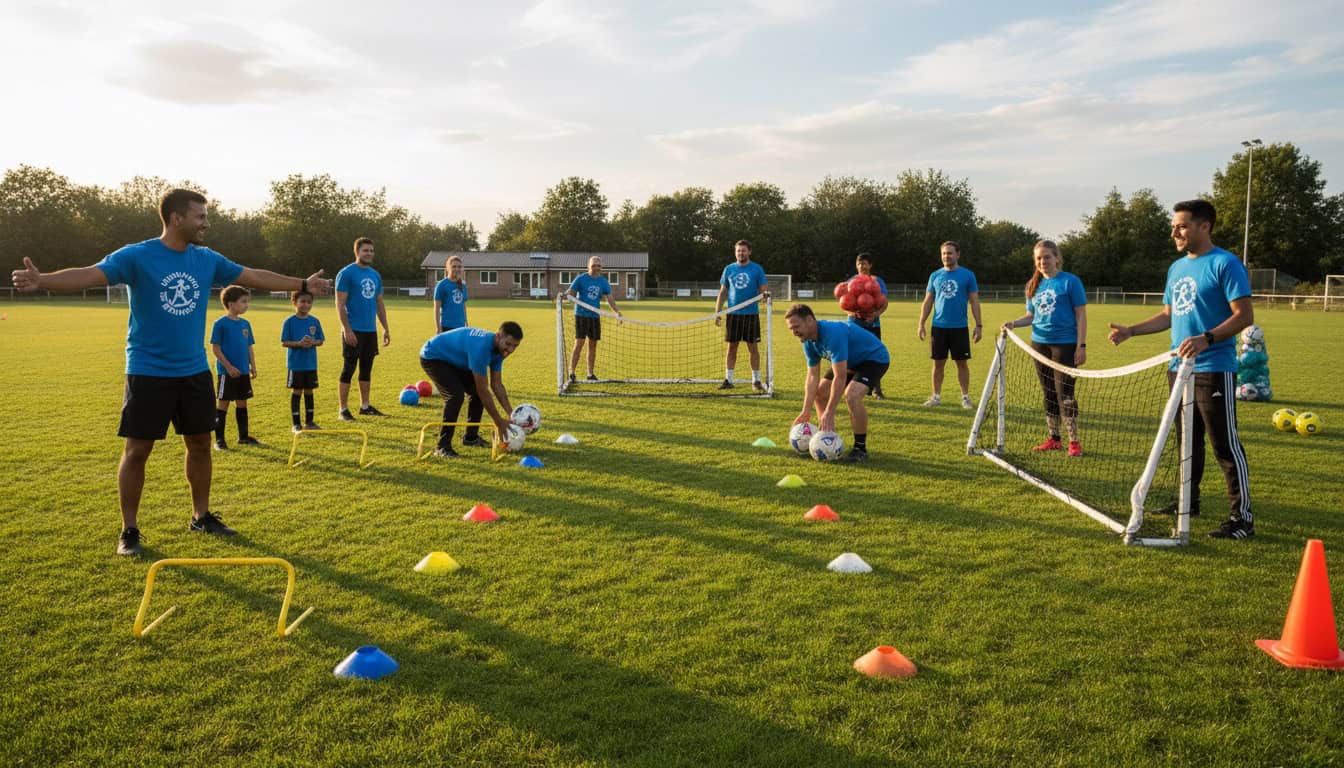
Recruiting New Volunteers
The Personal Ask
The most effective recruitment is a direct, personal request:
Why Personal Asking Works
How to ask:
- Identify a specific role
- Think about who would be suitable
- Approach them directly (in person or by phone, not group message)
- Explain why you're asking them specifically
- Be clear about what's involved
- Give them time to decide
Example Approach
"Sarah, I've noticed you're really organized with the boys' kit and always on time. We need someone to coordinate transport for away matches—basically making sure everyone has a lift. It's about 30 minutes before each away game to confirm arrangements. Would you be able to help with that?"
Where to Find Volunteers
Within your team community:
- Parents of players (primary source)
- Extended family members
- Partners of existing volunteers
- Former players who've aged out
Wider community:
- Local businesses (sponsorship plus practical help)
- Students needing work experience
- Duke of Edinburgh participants
- Retirees with time and interest
- Coaching course attendees
What Doesn't Work Well
- General announcements ("We need help!")
- Passive appeals (posters, website requests)
- Hoping someone will step forward
- Waiting until you're desperate
Recruitment Timing
Best times to recruit:
- Start of a new season
- When new players join
- After successful events (positive momentum)
- Before busy periods (when need is clear)
Difficult times:
- Mid-crisis (feels chaotic)
- End of season (people want a break)
- When morale is low
Onboarding New Volunteers
Make the First Experience Positive
First impressions matter:
- Welcome warmly: Introduce them to others
- Provide information: Share what they need to know
- Give support: Pair with experienced volunteer initially
- Start small: Don't overwhelm with everything at once
- Check in early: Ask how it's going after first few weeks
Required Training and Checks
Ensure volunteers complete necessary requirements:
- Safeguarding training: Essential for anyone working with children
- DBS checks: Criminal record disclosure for regulated activities
- First aid training: For designated first aiders
- Coaching qualifications: For those leading sessions
- Role-specific training: Whatever they need to succeed
Cover costs where possible—it removes barriers and shows investment.
Set Clear Expectations
From the start, clarify:
- What you expect them to do
- How much time is involved
- Who they report to
- How they'll be supported
- How to raise concerns
- How to step back if needed
Ready to find matches?
Join verified teams finding friendly matches in minutes, not days.
Retaining Good Volunteers
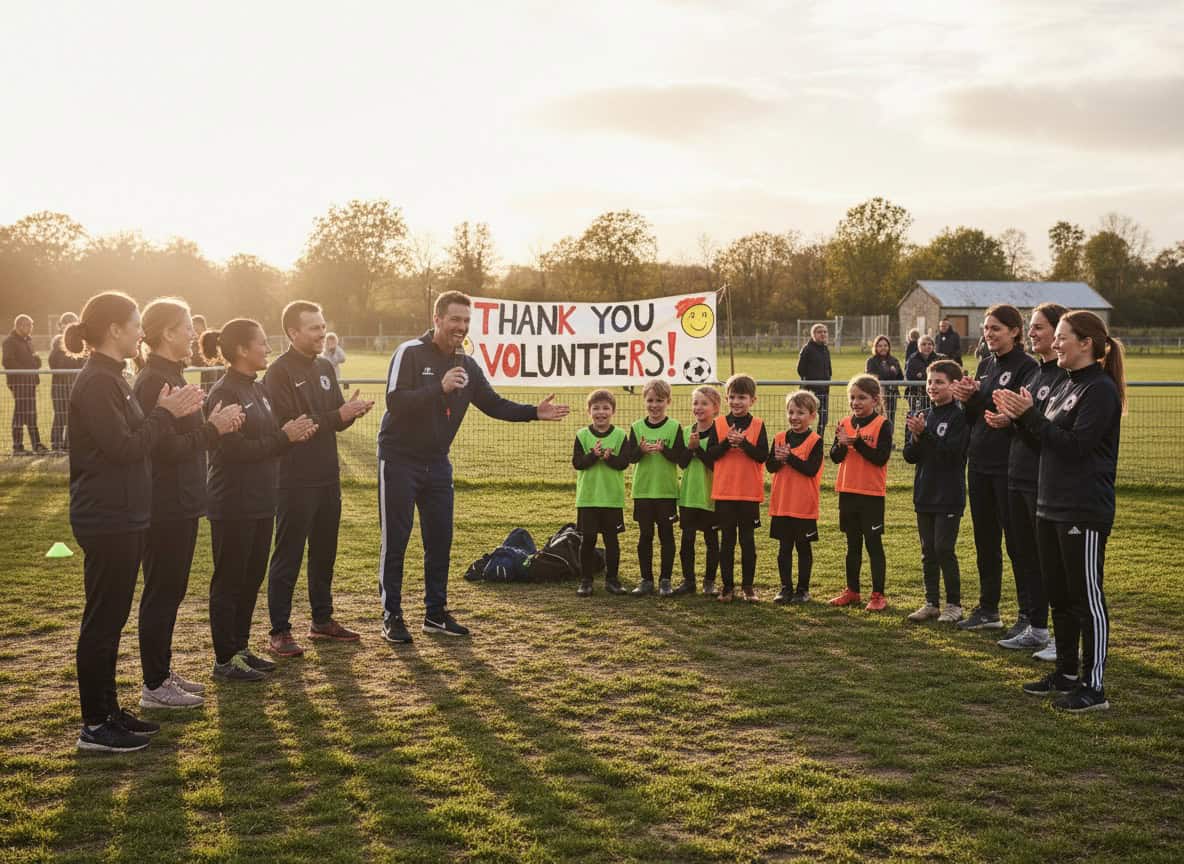
Show Appreciation Regularly
In the moment:
- Say thank you—specifically and often
- Acknowledge contributions publicly (with permission)
- Recognize effort, not just outcomes
Formally:
- End-of-season awards and recognition
- Thank-you events or gifts
- References for work or education
- FA volunteer awards nominations
What Volunteers Say They Want
Support Their Development
Help volunteers grow:
- Training opportunities: Coaching courses, safeguarding updates
- Mentoring: Pair with experienced volunteers
- Feedback: Constructive input on their performance
- Progression: Opportunities for increased responsibility
Volunteers who develop stay longer.
Respect Their Time
The fastest way to lose volunteers is wasting their time:
- Be organized: Don't make them wait or redo things
- Start and end on time: Respect their schedules
- Don't overload: One role at a time
- Allow breaks: Let them step back during busy periods
- Communicate efficiently: Don't bombard with unnecessary messages
Build a Volunteer Community
People stay when they enjoy being part of the team:
- Include volunteers in social events
- Create opportunities for volunteers to connect
- Foster a positive, supportive atmosphere
- Address conflicts quickly before they fester
- Celebrate collective achievements
Managing Volunteer Challenges
When Volunteers Underperform
If a volunteer isn't fulfilling their role:
- Have a private conversation: Understand what's happening
- Clarify expectations: Ensure they know what's needed
- Offer support: Help if they're struggling
- Set a timeline: Agree what improvement looks like
- Make changes if needed: Reassign or thank them for their time
Be kind but clear. It's better to address issues than let them affect the team.
When Volunteers Burn Out
Signs of volunteer burnout:
- Declining enthusiasm
- Missed commitments
- Frustration and negativity
- Physical or emotional exhaustion
- Withdrawal from team activities
Response to Burnout
- Acknowledge the signs
- Reduce their workload
- Offer a break without guilt
- Thank them for what they've done
- Plan for how to cover their role
When Volunteers Leave
People leave for many reasons—life changes, burnout, conflict, or simply time to move on.
Good practices:
- Thank them genuinely
- Conduct an informal exit conversation
- Learn from their feedback
- Ensure proper handover
- Leave the door open for future involvement
Handling Difficult Volunteers
Occasionally, a volunteer creates problems:
- Conflicts with others
- Doesn't follow safeguarding procedures
- Oversteps their role
- Creates negative atmosphere
Approach:
- Address the specific behavior
- Be direct about standards
- Set clear expectations
- Involve club leadership if serious
- End the relationship if necessary
The team's welfare comes before any individual volunteer's feelings.
Building a Volunteer Pipeline
Plan for Succession
Don't assume current volunteers will continue forever:
- Identify potential replacements for key roles
- Develop volunteers into bigger responsibilities
- Document processes so roles can be handed over
- Cross-train so multiple people can cover roles
Reduce Dependency on Individuals
Spread responsibilities so no single person is indispensable:
- Shared roles: Co-managers, assistant coaches
- Rotation: Different parents handle different matches
- Documentation: Systems that anyone can follow
- Backup plans: Know who steps in when someone is unavailable
Create a Positive Volunteer Culture
Teams known for treating volunteers well attract more volunteers:
- Word spreads about good (and bad) experiences
- Current volunteers recommend friends
- New parents feel welcomed and supported
- The team becomes known as well-organized
Volunteer Recruitment Template
Use this template when approaching potential volunteers:
Volunteer Recruitment Message Template
Hi [Name],

I've been thinking about how to make [aspect of team] work better,
and I immediately thought of you because [specific reason they'd be good].

We need someone to [specific role description]. It involves
[brief task list] and takes about [time estimate] per [week/month/match].

You'd have [support available] to help you, and we'd make sure
you have everything you need.

No pressure at all, but would you be interested in having a chat
about it? I'm happy to answer any questions.

Thanks for considering it.

[Your name]
How This Relates to Other Topics
Frequently Asked Questions
How do I get parents to volunteer when no one seems willing?
Ask individuals directly for specific tasks rather than making general appeals. Most people respond better to personal requests for defined roles than open calls for help.
What if I only have one volunteer for a critical role?
Prioritize cross-training and succession planning. Ask the current volunteer to identify and help train a backup. Reduce dependency on single individuals wherever possible.
Should volunteers be required to complete safeguarding training?
Yes, for any volunteer working with children or vulnerable adults. It protects the children, the volunteer, and the club. Make it easy by organizing group training sessions.
How do I handle volunteers who overstep their role?
Have a direct conversation about boundaries. Acknowledge their enthusiasm while clarifying their specific responsibilities. Be clear about the chain of command and decision-making authority.
What recognition works best for volunteers?
Personal thanks, public acknowledgment, and genuine appreciation matter most. Formal awards and small gifts are nice additions but don't substitute for regular, sincere gratitude.
How much time should I expect from volunteers?
Be realistic and honest. Different roles require different commitments. Always underestimate rather than overestimate time requirements when recruiting—people can take on more later.
What if volunteers are causing conflict in the team?
Address it promptly. Have private conversations with those involved. Set clear expectations about behavior. If conflict continues, you may need to end the volunteer relationship.
How do I recruit volunteers for unpopular roles?
Make the role more appealing: reduce the time commitment, pair with a partner, provide better support, or break it into smaller tasks. Sometimes unpopular roles need to be redesigned.
Should we pay volunteers expenses?
Reimburse out-of-pocket costs where possible (fuel, materials, training). It removes a barrier and shows you value their contribution. Never expect volunteers to be out of pocket.
What's the best way to thank volunteers at the end of the season?
Combine personal thanks from the manager with formal recognition at an event. Small gifts, certificates, or club awards are appreciated but not essential—genuine appreciation matters most.