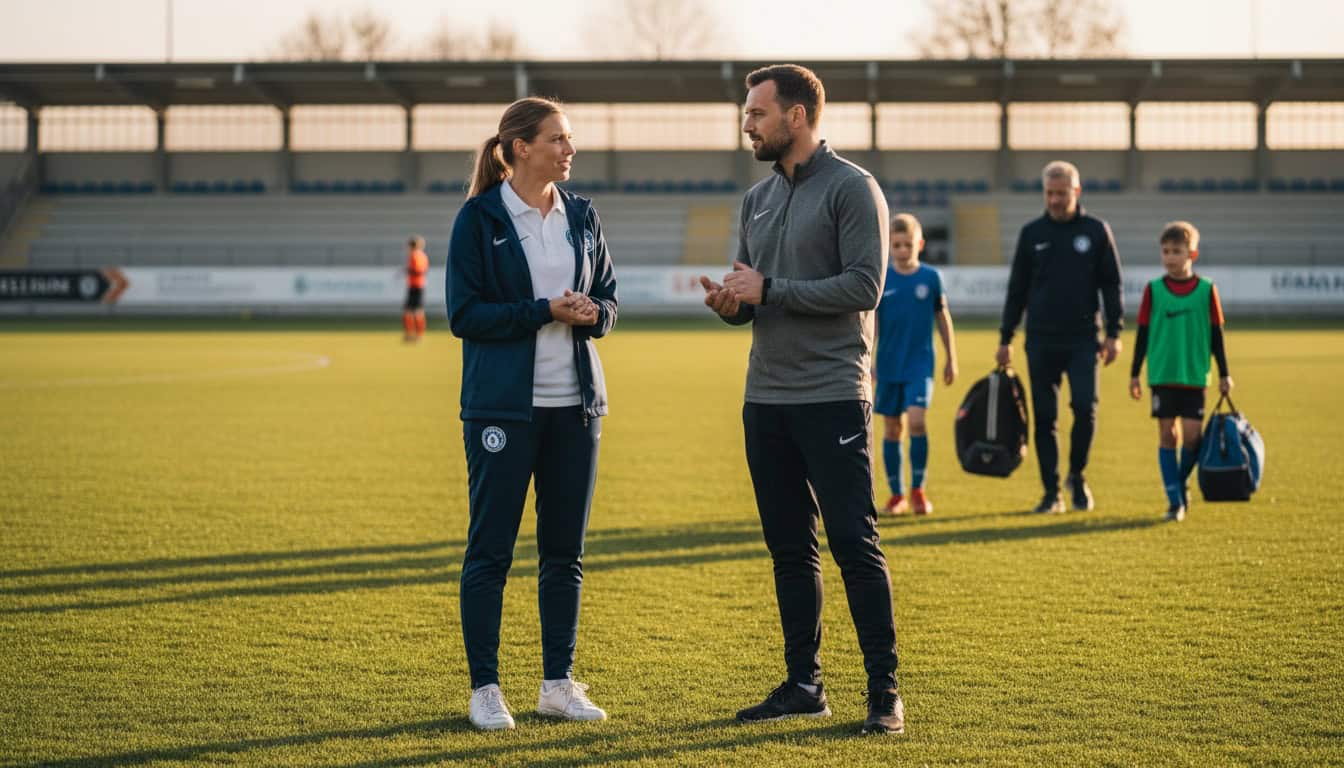
Handle match disputes by staying calm, focusing on facts rather than emotions, and addressing issues promptly through direct communication with the opposing manager—resolving most conflicts through dialogue while documenting serious incidents for escalation when necessary.
Key Takeaways
- Stay composed: React calmly in the moment to prevent escalation
- Address promptly: Deal with issues quickly before they fester
- Focus on solutions: Work toward resolution rather than assigning blame
Why Conflict Management Matters for Team Managers
Disputes happen in football. A controversial decision, a heavy tackle, words exchanged in the heat of the moment—these situations test your ability to manage not just your team, but relationships with opponents, officials, and the wider football community.
How you handle conflicts determines:
- Your reputation: Teams talk to each other; your response becomes your brand
- Future fixtures: Poor conflict handling burns bridges with potential opponents
- Team culture: Players watch how you respond under pressure
- Player welfare: Unresolved disputes can affect squad morale and safety
The goal isn't to avoid all conflict—that's unrealistic. It's to manage disputes effectively when they arise.
Common Types of Match Disputes
On-Pitch Incidents
Physical altercations:
- Heavy challenges or dangerous play
- Retaliation and confrontations
- Pushing, shoving, or worse
Verbal conflicts:
- Inappropriate language between players
- Abuse directed at officials
- Sideline confrontations between spectators
Disputed decisions:
- Goals allowed or disallowed
- Penalty decisions
- Card decisions
Organizational Disputes
Match arrangements:
- Disagreements over agreed rules
- Venue or timing conflicts
- Cost-sharing disputes
Result disagreements:
- Different recollections of final score
- Disputed goal counts
- Abandoned match outcomes
Behavioral complaints:
- Post-match allegations about conduct
- Complaints from parents (youth football)
- Issues with spectator behavior
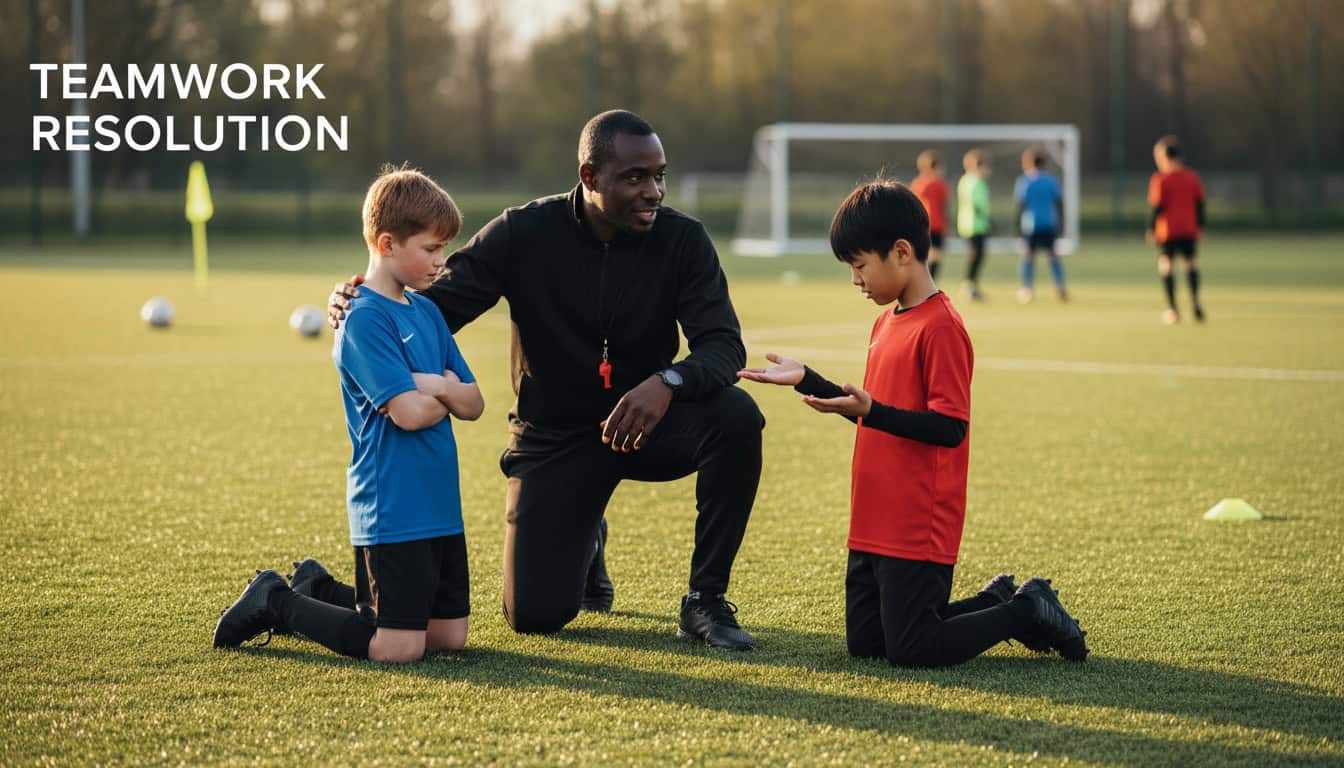
In-the-Moment Response
When Conflict Erupts During a Match
Step 1: Pause and breathe
Your immediate reaction sets the tone. Take a moment before responding.
- Don't rush onto the pitch in anger
- Avoid shouting across the field
- Model the composure you want from your players
Step 2: Separate if needed
If players are confronting each other:
- Calmly call your players away
- Ask the opposing manager to do the same
- Create physical and emotional space
Step 3: Assess the situation
Before acting, understand:
- What actually happened?
- Is anyone injured?
- What do the officials say (if present)?
- What do neutral observers report?
Step 4: Communicate with the opposing manager
Meet them calmly:
- "Let's talk about what just happened"
- Focus on facts, not accusations
- Listen to their perspective
- Agree on immediate next steps
Step 5: Make necessary decisions
Options depending on severity:
- Continue play with verbal warning to players
- Substitute involved players to cool tensions
- Pause for a cooling-off period
- Abandon the match if safety is at risk
De-escalation Techniques
Managing Your Own Emotions
Before you can de-escalate others, manage yourself:
- Recognize triggers: Know what situations provoke you
- Physical reset: Deep breaths, relaxed posture
- Delay response: "Give me a moment to think about this"
- Focus on outcome: What resolution do you actually want?
Communicating Calmly
Language that helps:
- "Help me understand what you saw"
- "I think we see this differently"
- "What do you think we should do?"
- "Let's focus on finishing the game safely"
Language that escalates:
- "Your player is a disgrace"
- "That's completely unacceptable"
- "You're wrong about this"
- "I'm not listening to this"
Reading the Situation
Assess whether the dispute is:
- Hot: Emotions running high, immediate intervention needed
- Warm: Tension present but manageable
- Cold: Issue exists but no immediate danger
Adjust your approach accordingly. Hot situations need space and time; cold situations can be discussed rationally.
Post-Match Conflict Resolution
Addressing Issues After the Game
Within 24 hours: Initial contact
If there's an unresolved issue, reach out promptly:
Hi [Name], I wanted to follow up on what happened during the second half today. I think we both want to address it properly. Can we have a quick call this evening to discuss? [Your name]
Within 48 hours: Resolution discussion
Have a proper conversation:
- State your perspective clearly
- Listen to theirs without interrupting
- Acknowledge any fault on your side
- Agree on what happens next
Within a week: Confirm resolution
Document the outcome:
- What was agreed?
- Any actions required from either side?
- Impact on future fixtures?
When Direct Resolution Fails
If you can't resolve it directly:
Involve a neutral third party:
- Club welfare officer
- League or county FA representative
- Mutual contact respected by both parties
Formal complaint (serious incidents only):
- Document everything factually
- Follow your league or FA procedures
- Focus on specific behaviors, not character judgments
Ready to find matches?
Join verified teams finding friendly matches in minutes, not days.
Handling Specific Dispute Types
Dangerous Play Complaints
If you believe an opponent played dangerously:
During the match:
- Raise with the referee if present
- Speak calmly to opposing manager
- Consider substituting affected player
After the match:
- Don't make public accusations
- Contact the manager directly with specifics
- Report to league if injury occurred or pattern exists
Response if accused:
- Take the concern seriously
- Review what happened with your player
- Apologize if appropriate
- Take action if behavior was unacceptable
Disputed Scores or Results
When teams disagree on the final score:
- Check with any neutral observers
- Review any video if available
- Look at goal records if kept during match
- If unresolvable, record as disputed in your records
For friendlies, the relationship usually matters more than the exact result.
Parent and Spectator Issues (Youth Football)
When spectators behave inappropriately:
Immediate action:
- Ask them to moderate behavior
- Move away from the pitch if needed
- Involve other parents if appropriate
Post-match:
- Speak privately with the parent
- Remind them of expected standards
- Involve club welfare officer if serious
Document any incidents involving children's safety or wellbeing.
Cost or Organizational Disputes
When you disagree about arrangements:
- Refer to any written communications
- Acknowledge misunderstandings happen
- Focus on fair resolution, not winning
- Learn from it for future clarity
Documenting Disputes
What to Record
For any significant incident, note:
- Date and time of the match and incident
- What happened: Factual description
- Who was involved: Names and roles
- Witnesses: Who else saw it
- Immediate response: What actions were taken
- Outcome: How it was resolved
- Follow-up: Any ongoing actions
Why Documentation Matters
- Protects you if allegations are made later
- Helps identify patterns with specific opponents
- Required for formal complaints
- Aids reflection on your own handling
Keep It Factual
Document what happened, not your interpretation:
Good: "Player A made contact with Player B's ankle after the ball was played. Player B required treatment for 3 minutes."
Poor: "Player A deliberately fouled Player B in a disgraceful challenge."
Prevention Strategies
Before the Match
Clear communication:
- Agree rules and expectations in writing
- Discuss approach to physical play
- Set the tone for a competitive but fair game
Know your opponent:
- Have you played them before?
- What's their reputation?
- Any known issues to be aware of?
Brief your players:
- Expectations for behavior
- How to respond to provocation
- Who to alert if issues arise
During the Match
Active management:
- Watch for building tensions
- Substitute players who are losing composure
- Communicate with the opposing manager throughout
Model standards:
- Control your own touchline behavior
- Manage parent/spectator expectations (youth)
- React calmly to adverse decisions
Building Positive Relationships
Long-term conflict prevention comes from:
- Playing teams you know and trust
- Building reputation as a fair, organized team
- Addressing small issues before they grow
- Following up positively after good matches
When to Walk Away
Some situations warrant abandoning a match:
Player safety at serious risk:
- Violence or threat of violence
- Dangerous conditions (pitch, weather, behavior)
- Medical emergency requiring resources
Unmanageable behavior:
- Repeated aggressive incidents
- Spectator pitch invasions
- Referee unable to control the game
How to Abandon a Match
- Inform the opposing manager of your decision
- Remove your players from the pitch calmly
- Document the reasons immediately
- Report to relevant authorities if appropriate
Aftermath:
- Debrief your players appropriately
- Contact your club leadership
- File any required reports
- Learn from the experience
How This Relates to Team Management
Conflict management connects to your broader approach:
- Finding Opponents: Maintaining good relationships expands your network
- Building Your Network: Strong relationships reduce conflict
- Verifying Organizations: Proper vetting helps avoid problematic opponents
- Best Apps for Finding Opponents: Platform reviews can warn of issues
Frequently Asked Questions
What if the other manager is being completely unreasonable?
Stay calm regardless of their behavior. You can only control your response. If they won't engage constructively, document your attempts and disengage. Don't match their energy.
Should I confront a player from the opposing team about their behavior?
Generally no. Speak to their manager, who is responsible for their players. Direct confrontation with opposing players usually escalates situations.
How do I handle it when my own player is at fault?
Acknowledge it to the opposing manager, deal with your player appropriately, and apologize if warranted. Taking responsibility builds respect.
What if there's no referee and we disagree about a decision?
Captains should make joint decisions. If you can't agree, flip a coin or give the decision to the defending team. Relationships matter more than any single call.
How serious does an incident need to be for a formal report?
Report any incident involving: physical injury requiring medical attention, discrimination or abuse, safeguarding concerns, or criminal behavior. When in doubt, report.
Should we still play a return fixture after a dispute?
It depends on resolution. If the issue was addressed properly and both sides moved forward, yes. If unresolved or likely to recur, consider whether the relationship is worth maintaining.
How do I handle social media complaints about my team?
Don't engage in public arguments. Contact the person directly if appropriate. If false accusations are made, document them and consider whether formal response is needed.
What if parents want me to take action I don't think is appropriate?
Listen to their concerns, explain your reasoning, and make decisions based on what's best for all players. You're the manager; ultimately it's your call.
How do I prevent my players from retaliating?
Brief them beforehand that retaliation always makes things worse. Substitute players who are losing control. Address it in team meetings as a standards issue.
What's the best way to rebuild a relationship after a serious dispute?
Time, honest communication, and demonstrated change. Acknowledge what happened, explain what's changed, and let actions prove the words over time.
Ready to find your next match?
Join verified teams finding opponents in minutes.
Create your free accountNo credit card required