
Managing multiple squads requires clear organizational structures, dedicated coordinators for each team, centralized scheduling systems, and consistent communication channels. Success comes from treating each squad as distinct while maintaining unified club identity—using shared resources efficiently while respecting each team's unique needs and development goals.
Key Takeaways
- Establish clear squad structures — Define each team by age group, skill level, and competition type with designated leadership
- Centralize scheduling and communication — Use a single platform to coordinate fixtures across all squads and prevent conflicts
- Assign dedicated coordinators — Each squad needs a primary contact responsible for day-to-day management
Why Multi-Squad Management Matters
Sports organizations grow. What starts as a single team often expands into multiple age groups, skill levels, or gender categories. A youth academy might manage U8 through U18 teams. A community club could run recreational, competitive, and veterans squads simultaneously.
This growth brings coordination challenges:
- Resource allocation — Pitches, equipment, and budget must serve multiple teams
- Scheduling conflicts — Multiple squads competing for limited venue slots and opponent availability
- Communication complexity — Information must reach the right people without overwhelming everyone
- Quality consistency — Each squad should deliver a positive experience regardless of age or level
Organizations that master multi-squad management create sustainable structures that support continued growth while maintaining quality across all teams.
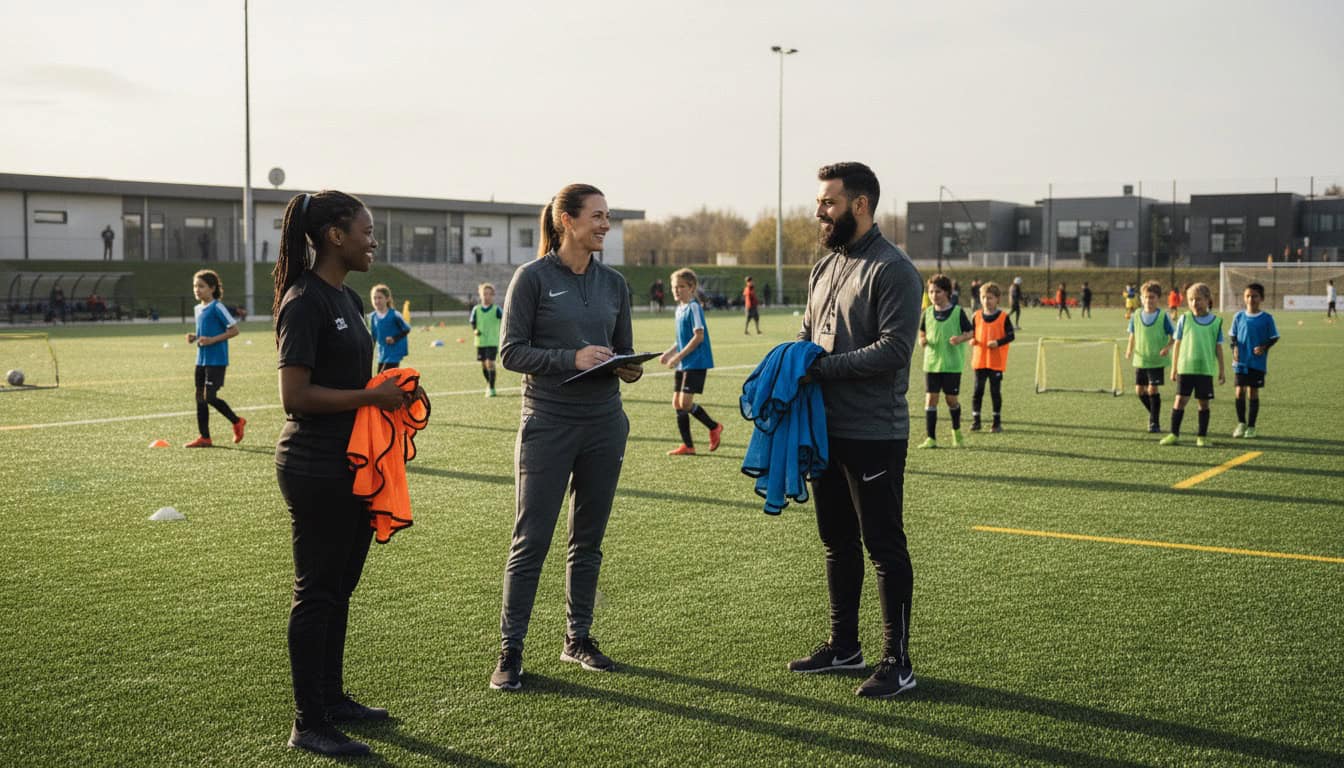
Structuring Your Squads for Success
Define Clear Squad Categories
Every squad in your organization should fit within a defined structure. Common categorization approaches include:
By Age Group
- Mini/Development: U6, U7, U8
- Youth: U9, U10, U11, U12
- Junior: U13, U14, U15, U16
- Youth Senior: U17, U18, U19
- Adult: U21, U23, Senior, Open
- Veterans: 35+, 40+, 50+
By Skill Level
- Recreational — Focus on participation and enjoyment
- Competitive — League and cup competition focus
- Semi-Professional — Higher commitment and performance expectations
- Elite/Academy — Development pathway programs
Most organizations use a combination. For example: "U14 Boys Competitive" or "Senior Women's Recreational" clearly identifies the squad's position within your structure.
Create a Squad Registry
Maintain a central document listing all active squads with key information:
| Squad Name | Age Group | Level | Coach | Training Day |
|---|---|---|---|---|
| U12 Blues | U12 | Competitive | J. Smith | Tuesday |
| U12 Whites | U12 | Recreational | K. Brown | Wednesday |
| Senior Men | Open | Competitive | R. Wilson | Thursday |
This registry becomes your reference point for resource allocation, communication, and planning.
Assigning Roles and Responsibilities
Club-Level Roles
Club Secretary/Administrator
- Maintains central records and registrations
- Coordinates with governing bodies
- Manages club-wide communications
- Oversees compliance and safeguarding
Fixture Coordinator
- Manages venue bookings across all squads
- Prevents scheduling conflicts
- Coordinates with external opponents
- Maintains the master club calendar
Squad-Level Roles
Each squad should have clearly assigned leadership:
Team Manager
- Primary contact for the squad
- Coordinates match arrangements
- Communicates with parents/players
- Manages squad-specific administration
Head Coach
- Leads training sessions
- Makes matchday decisions
- Develops players within squad philosophy
- Reports on player development
Pro Tip
For smaller organizations, one person may fill multiple roles. The key is ensuring every responsibility has a named owner.
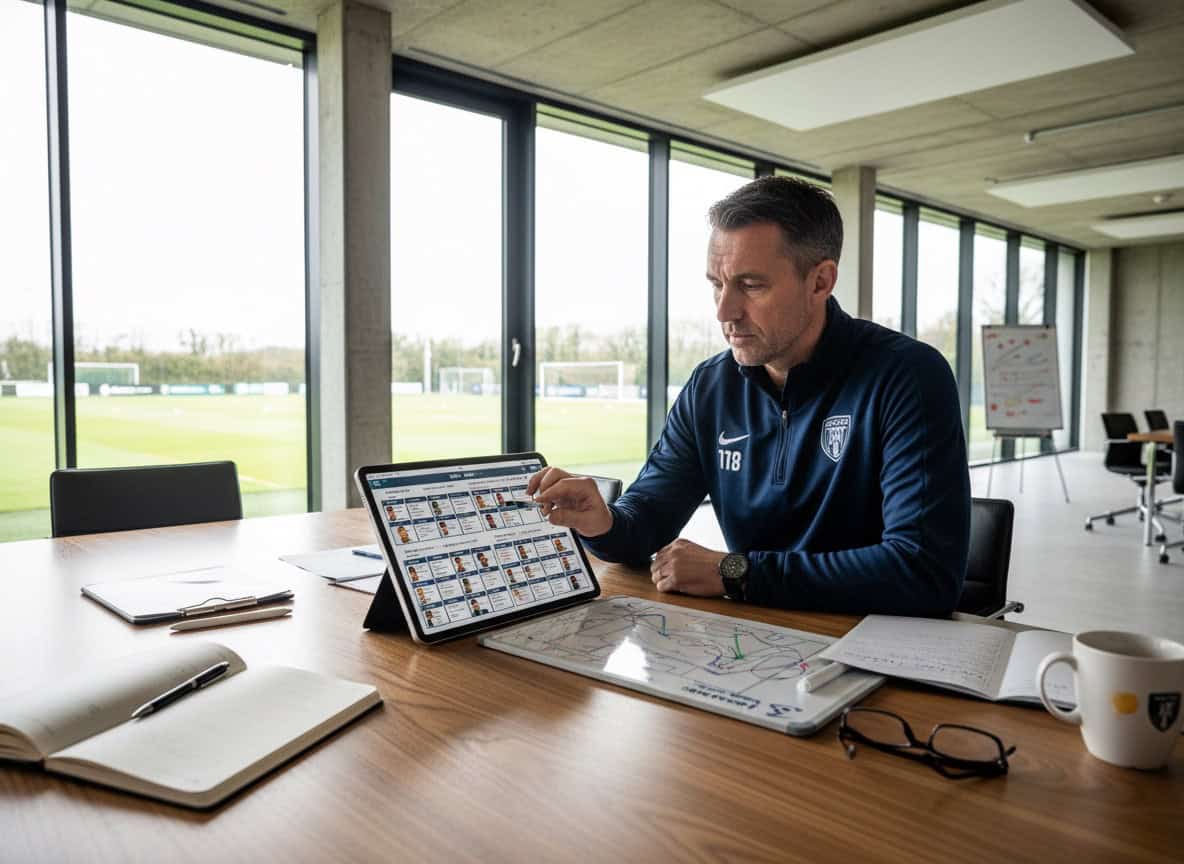
Centralized Scheduling Systems
The Master Calendar Approach
A single, shared calendar prevents the chaos of scheduling conflicts:
What to include:
- All squad training sessions
- All confirmed fixtures
- Venue bookings
- Key club dates (registration deadlines, AGM, presentations)
- School holidays and term dates
- Pitch maintenance closures
Calendar management rules:
- All bookings go through the fixture coordinator
- No provisional bookings — confirmed only
- Conflicts resolved by priority system (league > cup > friendly > training)
- Regular review meetings to identify and resolve clashes
Using Match-Finding Platforms
Modern platforms like Team Game Finder allow organizations to manage multiple squads from a single account:
Multi-squad platform benefits:
- Create distinct profiles for each squad
- Post availability for specific teams
- Receive and manage requests separately
- Track match history per squad
- Assign coaches to receive relevant notifications
Avoiding Double-Bookings
| Conflict Type | Prevention Strategy |
|---|---|
| Two squads book same pitch | Central booking system with coordinator approval |
| Away fixtures scheduled same day | Check master calendar before confirming any fixture |
| Tournament clashes | Annual planning session to claim key dates |
| Coach unavailable | Require 48-hour notice for fixture confirmations |
Ready to find matches?
Join verified teams finding friendly matches in minutes, not days.
Communication Strategies
Layered Communication
Different audiences need different information:
Club-wide communications
- Major announcements
- Policy changes
- Facility updates
- Safeguarding reminders
Squad-specific communications
- Training updates
- Match arrangements
- Player availability requests
- Team news
Communication Protocols
Establish clear guidelines:
- Response expectations — Managers should acknowledge messages within 24 hours
- Emergency contacts — Clear escalation path for urgent matters
- Information flow — How information moves from club to squad to players
- Confidentiality — What information stays within leadership vs. shared broadly
Resource Sharing and Allocation
Venue Management
When multiple squads share facilities:
Training venue allocation
- Create a weekly schedule assigning time slots to squads
- Consider travel distance for different age groups
- Balance premium times fairly across teams
- Build in flexibility for occasional swaps
Match venue priorities
- Home league fixtures take precedence
- Cup matches by competition stage
- Friendlies scheduled around confirmed fixtures
- Consider opponent travel when hosting multiple matches
Budget Allocation
Fair resource distribution approaches:
- Per-capita allocation — Budget distributed based on number of registered players
- Tiered allocation — Different amounts based on competition level or age group
- Needs-based allocation — Squads request specific resources with justification
- Hybrid approach — Base allocation plus request-based additional funding
Document your approach and communicate it clearly to all squad managers.
Growing Your Organization
Adding New Squads
Before creating a new squad, consider:
- Demand — Do you have enough interested players?
- Leadership — Who will manage and coach?
- Resources — Can you provide adequate facilities and equipment?
- Competition — Are appropriate opponents and leagues available?
Scaling Successfully
As you add squads, increase infrastructure proportionally:
| Squads | Recommended Structure |
|---|---|
| 1-3 | Single administrator, informal coordination |
| 4-8 | Dedicated fixture coordinator, regular manager meetings |
| 9-15 | Age group coordinators, administrative support |
| 16+ | Full administrative team, department heads |
Maintaining Quality Across All Squads
Club-Wide Standards
Define expectations that apply to all squads:
Player experience
- Minimum playing time policies
- Coach-to-player ratios
- Equipment standards
Administrative standards
- Response time requirements
- Record-keeping expectations
- Reporting obligations
Safeguarding compliance
- DBS check requirements
- Training requirements
- Incident reporting procedures
Regular Review and Improvement
Quarterly squad manager meetings
- Share challenges and solutions
- Identify cross-squad opportunities
- Address resource conflicts
- Align on upcoming priorities
Annual club review
- Assess each squad's season
- Evaluate resource allocation effectiveness
- Identify structural changes needed
- Plan for growth or consolidation
How This Relates to Other Topics
Frequently Asked Questions
How many squads can one administrator effectively manage?
One dedicated administrator can typically manage 3-5 squads effectively. Beyond this, delegate squad-level responsibilities to team managers while maintaining oversight and coordination.
Should each squad have its own bank account?
For most organizations, a single club account with clear tracking per squad is simpler. Separate accounts create administrative overhead and complicate financial reporting.
How do we handle players who play for multiple squads?
Create clear policies about primary squad assignment, additional playing opportunities, and how conflicts are resolved. Communicate these to players and parents during registration.
What's the best way to share venues between squads?
Create a master schedule allocating regular slots to each squad. Use a booking system for additional needs and establish clear priority rules for conflicts.
How often should squad managers meet?
Monthly meetings during active season, quarterly during off-season. Ad-hoc meetings for urgent matters. Keep meetings focused with clear agendas.
Should we use the same coach across multiple squads?
This works for related squads (e.g., U12 and U13) but risks overcommitment. Ensure coaches have capacity and squads have coverage when coaches are unavailable.
How do we maintain club culture across many squads?
Define clear values and expectations. Include club identity in all squad communications. Create cross-squad events and opportunities. Recognize contributions to club culture.
What happens when two squads want the same fixture date?
Priority system: league obligations first, then cup matches, then friendlies by confirmation date. For equal priority, rotate who gets preference.
How do we onboard new squad managers?
Create an onboarding pack covering systems, contacts, and expectations. Pair new managers with experienced ones for their first season. Include them in manager meetings immediately.
When should we split a squad into two teams?
Consider splitting when squad size consistently exceeds 18-20 players, playing time becomes difficult to manage, or skill gaps within the squad widen significantly.
Ready to find your next match?
Join verified teams finding opponents in minutes.
Create your free accountNo credit card required