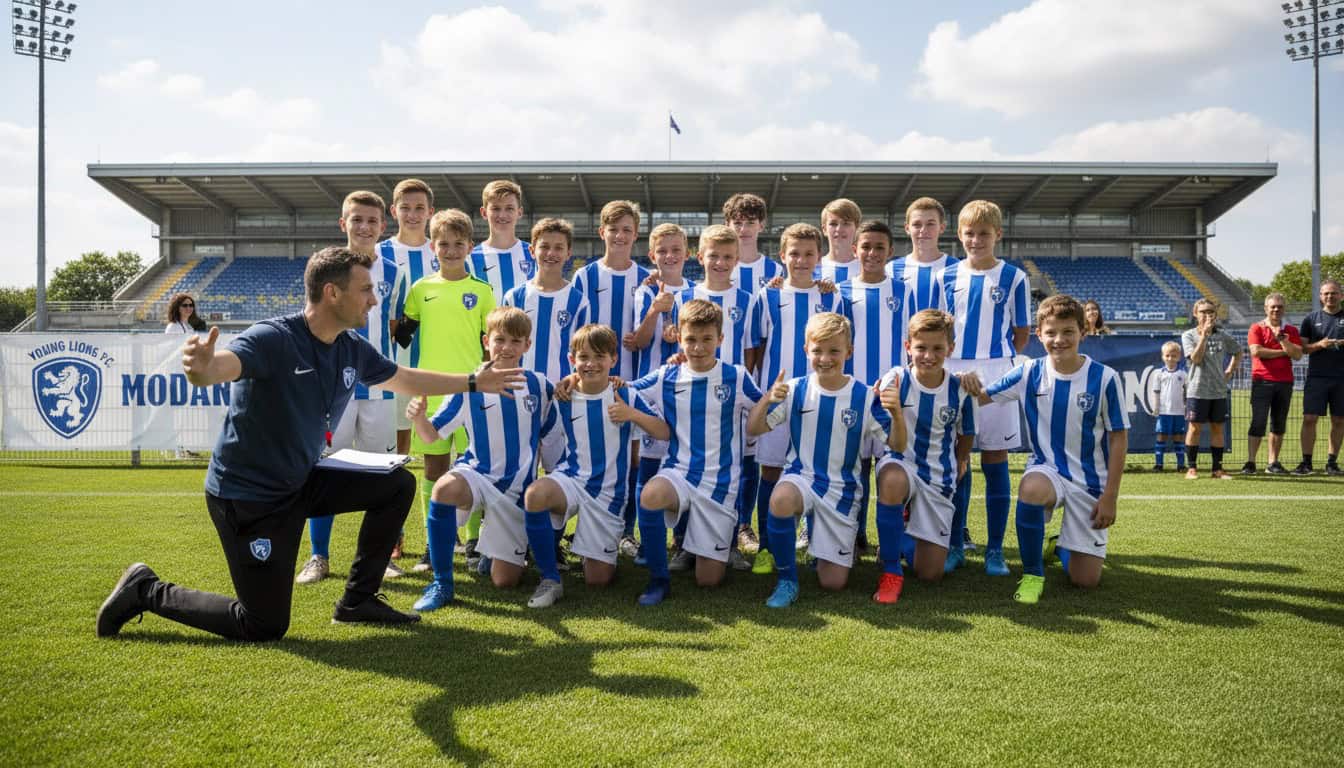
An effective team profile clearly communicates who you are, what level you play at, and what you're looking for in opponents. Complete profiles with accurate information, quality images, and detailed squad descriptions attract more match requests from suitable teams—while incomplete or vague profiles get overlooked or attract mismatched opponents.
Key Takeaways
- Accuracy matters most — Honest representation of your skill level and squad composition leads to better-matched fixtures
- Complete every field — Profiles with all information filled receive significantly more engagement than partial profiles
- Keep information current — Outdated details waste everyone's time and damage your reputation
Why Your Profile Matters
When teams search for opponents on match-finding platforms, your profile is your first impression. Before any conversation happens, potential opponents evaluate:
- Is this organization legitimate?
- Are they at our level?
- Do they play the type of matches we want?
- Will they be reliable and organized?
A strong profile answers these questions positively. A weak profile raises doubts—and teams move on to other options.
The profile advantage
- Complete profiles appear higher in search results
- Detailed information reduces back-and-forth questions
- Professional presentation signals organized opposition
- Accurate skill levels lead to competitive, enjoyable matches

Organization Profile Essentials
Basic Information
Start with the fundamentals that establish your identity:
Organization name
- Use your official, recognizable name
- Include location if it helps identification (e.g., "Riverside FC" vs "Riverside FC Manchester")
- Avoid abbreviations unless widely known
Organization type
- Club
- School
- Academy
- College/University
- Corporate team
This helps opponents understand your structure and context.
Location details
- Country, city, and district
- Accurate location enables geographic filtering
- Teams search for opponents within travel distance
Contact Information
Make it easy for interested teams to reach you:
Primary contact
- Named person, not just "Club Secretary"
- Active email address checked regularly
- Phone number for urgent communications
Response expectations
- State typical response time if possible
- Indicate preferred contact method
- Note any periods of reduced availability
Social media links
- Facebook page or group
- WhatsApp (if used for coordination)
- LINE (popular in some regions)
- Club website
Multiple contact options increase accessibility and demonstrate legitimacy.
Organization Description
Your description tells your story:
What to include:
- Brief history (when founded, by whom)
- Your mission or philosophy
- What makes your organization distinctive
- Types of teams/squads you run
- Your approach to matches (competitive, developmental, social)
"Established in 2015, Oakwood Athletic is a community football club serving the Northside area. We run teams from U8 through to Veterans, focusing on player development and enjoyment at all levels. Our senior teams compete in local leagues while our youth squads prioritize learning and participation. We welcome friendly matches against similar community-focused clubs."
Keep it concise — 100-150 words covers the essentials without overwhelming.
Home Venue Information
Your venue details matter for match planning:
Venue name and address
- Full address for navigation
- Any access notes (parking, entrance location)
Facility details
- Pitch type (grass, artificial, indoor)
- Pitch dimensions if non-standard
- Changing room availability
- Floodlights for evening matches
Availability notes
- Typical match day slots
- Any restrictions on timing
- Shared facility considerations
Teams factor venue quality and logistics into match decisions.
Squad Profiles That Stand Out
Accurate Squad Categorization
Each squad needs precise classification:
Age group
- Use standard categories (U8, U10, U12... Senior, Veterans)
- Be accurate—misrepresented ages waste everyone's time
- Note if you accept flexibility (e.g., "U14 but will play U15")
Gender
- Male, Female, or Mixed
- Important for appropriate matching
Skill level
Be honest about where your team fits:
| Level | Description |
|---|---|
| Recreational | Focus on participation, varied abilities, social emphasis |
| Competitive | Regular league/cup play, organized training, results matter |
| Semi-Professional | High commitment, experienced players, strong organization |
| Professional | Full-time or near full-time players |
Accuracy Matters
Overrating your level leads to mismatched fixtures nobody enjoys. Underrating means missing opportunities against suitable opponents.
Squad Description
Go beyond basic categories:
Playing style
- Formation preferences
- Tempo and approach
- Strengths to highlight
Squad composition
- Typical squad size for matches
- Player experience range
- Any notable characteristics
Match preferences
- Preferred fixture types (league prep, development, competitive friendlies)
- Typical match format (full game, shortened, rolling subs)
- Any specific requirements
"Our U16 Boys Competitive squad trains twice weekly and plays in the County Youth League Division 2. We typically field 16 players and play 4-3-3 with emphasis on possession football. Looking for friendly matches against similar league-level teams for pre-season preparation and mid-season development games. Happy to travel within 30 miles."
Coach Assignment
Assign coaches to squads for credibility:
Benefits of coach profiles:
- Named contact for squad-specific questions
- Demonstrates organized structure
- Coaches receive relevant notifications
- Shows investment in player development
Coach information to include:
- Name and role
- Qualifications (coaching badges)
- Contact preferences
Photography and Visual Elements
Organization Logo
A professional logo signals legitimacy:
Logo best practices:
- Use your official club crest or badge
- Ensure clear resolution (not pixelated)
- Square format works best for most platforms
- Consistent with your other branding
If you don't have a logo:
- Consider creating a simple design
- Use a clear text-based identifier
- Avoid generic placeholder images
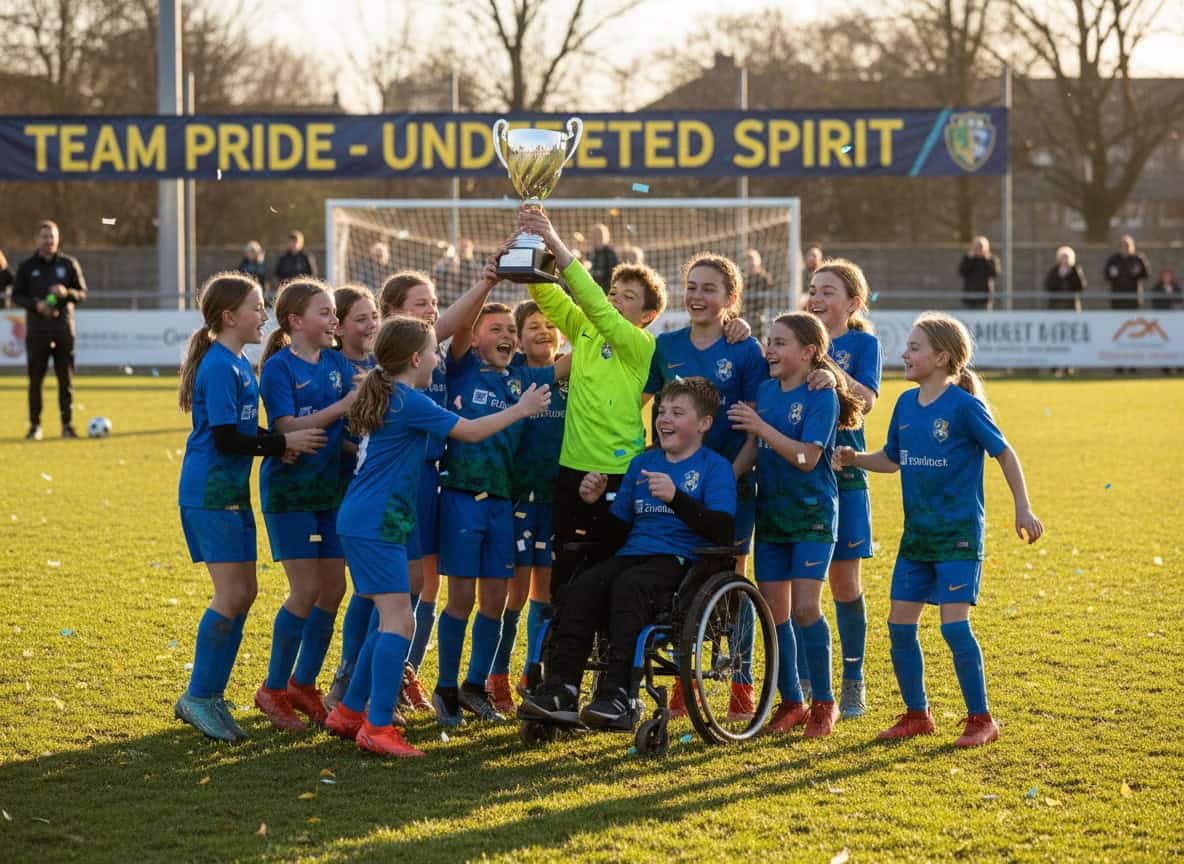
Team Photos
Photos bring your profile to life:
What to photograph:
- Team group shots in kit
- Action from training or matches
- Your home venue
- Club facilities
Photo guidelines:
- Recent images (within current season)
- Good lighting and composition
- Players in recognizable club kit
- Appropriate permissions obtained
What to avoid:
- Blurry or low-quality images
- Very old photos showing different kit
- Images with inappropriate content
- Photos without proper consent (especially for youth)
Ready to find matches?
Join verified teams finding friendly matches in minutes, not days.
Optimizing for Search and Discovery
Searchability Factors
Help opponents find you:
Location accuracy
- Correct district/area for local search
- Teams filter by geography first
Category completeness
- All relevant squads listed
- Accurate age and skill classifications
- Active/inactive status current
Activity signals
- Regular availability posting
- Recent match history
- Responsive to requests
Standing Out in Results
When multiple teams match search criteria:
Completeness wins
- Profiles with all fields completed rank higher
- Missing information creates doubt
Freshness matters
- Recently active profiles appear more relevant
- Stale profiles suggest inactive organizations
Reputation builds
- Match history demonstrates reliability
- Completed fixtures show follow-through
- Positive interactions build credibility
Common Profile Mistakes to Avoid
Incomplete Information
The problem: Missing fields leave opponents guessing.
Examples:
- No contact details beyond platform messaging
- Squad skill levels left blank
- Generic "football club" descriptions
The fix: Complete every available field, even if briefly.
Outdated Details
The problem: Information that was accurate but isn't anymore.
Examples:
- Last season's coach still listed
- Disbanded squads showing as active
- Old venue address
- Previous contact person's details
The fix: Review and update profiles at least seasonally.
Inaccurate Skill Levels
The problem: Misrepresenting your level wastes time and creates poor match experiences.
Examples:
- Recreational team listed as Competitive
- U14 squad claiming U16 to get more matches
- Semi-professional team downgrading to find easier fixtures
The fix: Honest representation serves everyone's interests.
Poor Quality Images
The problem: Unprofessional images undermine credibility.
Examples:
- Blurry smartphone photos
- Images from years ago
- Screenshots or random internet images
- Inappropriate or unclear content
The fix: Invest time in a few quality photos.
Generic Descriptions
The problem: Vague profiles don't differentiate you.
Examples:
- "We are a football team looking for matches"
- Copy-pasted placeholder text
- No specific information about your organization
The fix: Share what makes your organization distinctive.
Profile Maintenance Schedule
Keep your profile current with regular reviews:
Weekly Tasks
- Check and respond to messages
- Update availability for coming weeks
- Post new availability slots
Monthly Tasks
- Review contact information accuracy
- Check coach assignments
- Update squad rosters if significant changes
Seasonal Tasks
- Full profile review and refresh
- Update team photos
- Review and adjust skill levels based on performance
- Archive or deactivate inactive squads
- Update organization description if needed
Annual Tasks
- Comprehensive information audit
- Refresh all imagery
- Review and update venue details
- Assess whether squad categories still fit
Leveraging Platform Features
Availability Posting
Active availability attracts proactive opponents:
Post regularly
- Consistent availability signals active organization
- Empty calendars suggest inactive teams
Be specific
- Clear dates and times
- Venue preferences stated
- Any special requirements noted
Respond promptly
- Quick responses encourage future requests
- Slow responses lose opportunities
Match History
Your track record speaks loudly:
Completed matches
- Demonstrate reliability
- Show activity level
- Build platform reputation
Scores and results
- Optional but adds credibility
- Shows competitive level accurately
- Helps opponents assess suitability
Public Profile Sharing
Extend your reach beyond the platform:
Share your profile
- Link from club website
- Include in social media bios
- Add to email signatures
QR codes
- Display at your venue
- Include on printed materials
- Easy access for interested parties
Profile Examples: Before and After
Weak Profile
Organization: FC United
Type: Club
Location: England
Description: Football club looking for matches
Contact: [email only]
Squads: Senior Men (no skill level)
Photos: None
Problems: Vague location, generic description, incomplete squad info, no visual identity.
Strong Profile
Organization: FC United of Westborough
Type: Community Club
Location: England > Greater Manchester > Westborough
Description: "Community football club established in 2008 serving the Westborough area. We run five squads from U12 through Senior Men, competing in local leagues and friendly competitions. Our philosophy emphasizes development and enjoyment at all levels. We're known for well-organized matches and fair play. Looking for regular friendly opponents for all age groups."
Contact: John Smith (Club Secretary) - [email protected] - 07XXX XXXXXX - Facebook: /FCUnitedWestborough
Squads:
- U12 Mixed (Recreational) - Coach: Sarah Jones (FA Level 1)
- U14 Boys (Competitive) - Coach: Mike Brown (FA Level 2)
- U16 Boys (Competitive) - Coach: Mike Brown (FA Level 2)
- Senior Men (Competitive) - Coach: Pete Williams (FA Level 2)
- Veterans 35+ (Recreational) - Contact: Club Secretary
Photos: Team photo, venue image, club badge
Strengths: Specific location, detailed description, complete squad info, multiple contacts, coach assignments, professional imagery.
Frequently Asked Questions
How detailed should my sports organization description be?
Aim for 100-150 words covering your history, philosophy, squad structure, and what you're looking for in opponents. Enough to inform without overwhelming.
Should I include player names in squad descriptions?
Generally no—focus on squad characteristics, playing style, and structure rather than individual players. This keeps information relevant longer.
How often should I update my team photos?
At minimum, update photos each season when kit or squad composition changes significantly. Annual updates keep your profile fresh.
What if we don't have a professional logo?
A simple, clear text-based identifier works better than no logo. Consider creating a basic design or using your organization name in a consistent format.
Should I list inactive squads on my profile?
No—remove or mark as inactive any squads not currently seeking matches. Active-looking but unresponsive squads damage credibility.
How do I handle multiple contact people?
List the primary contact for general inquiries and note squad-specific contacts where relevant. Ensure all listed contacts are actually responsive.
What skill level should I choose if we're between categories?
Choose the level that better represents typical match competitiveness. It's better to slightly underrate and have competitive matches than overrate and face mismatches.
Should I mention our league position or results in our profile?
Recent league position can help opponents gauge your level, but avoid specifics that quickly become outdated. Focus on general competitive level instead.
How do I write a description for a new squad with no history?
Focus on your planned approach, target competitive level, and what you're looking for. Be honest that you're newly formed—many teams appreciate developing relationships with emerging squads.
Can I copy another club's profile as a template?
Use others as inspiration for structure, but write original content describing your specific organization. Generic copied content is obvious and unimpressive.
Ready to find your next match?
Join verified teams finding opponents in minutes.
Create your free accountNo credit card required