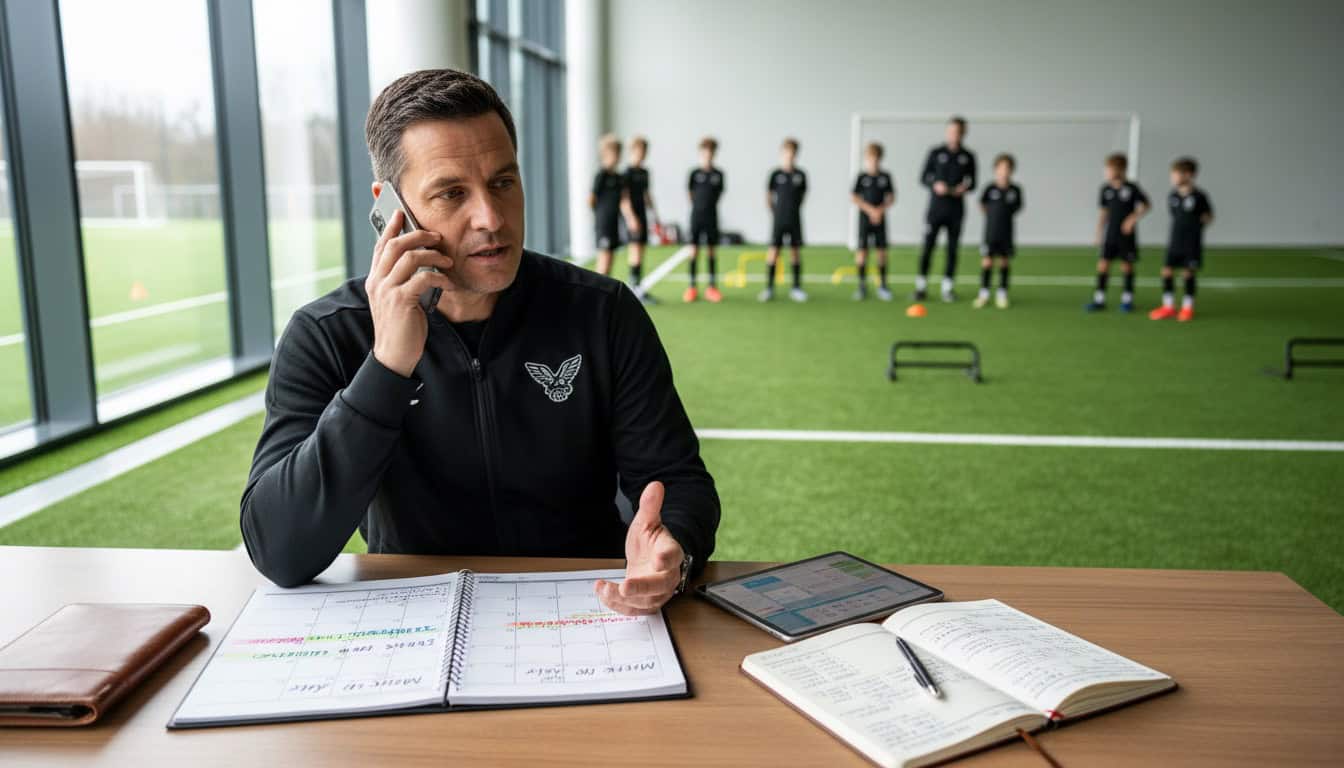
Reducing last-minute cancellations requires a systematic confirmation process: written initial agreement, reminder touchpoints at 7 days and 48 hours before the match, and clear cancellation policies communicated upfront. Teams that implement structured confirmation workflows experience significantly fewer no-shows.
Why Cancellations Happen (And How to Prevent Them)
Last-minute cancellations frustrate everyone involved. Your team prepared, possibly traveled, and now faces a wasted session. Understanding why cancellations happen helps you prevent them.
Preventable Causes
- Miscommunication about date, time, or venue
- Opponent forgot and made other plans
- Insufficient players due to poor availability tracking
- No commitment mechanism in place
Less Preventable Causes
- Genuine emergencies or injuries
- Severe weather conditions
- Facility closures or double-bookings
- Unforeseen circumstances
The good news: most cancellations fall into the preventable category. A robust confirmation process addresses miscommunication, forgotten fixtures, and weak commitment—the factors you can control.
The Confirmation Framework
Phase 1: Initial Agreement
When you first arrange a match, establish these details in writing:
Essential Information to Confirm
Example Confirmation Message
Hi [Name],
Confirming our friendly match:
- Date: Saturday, [Date]
- Time: 10:00 AM kickoff
- Venue: [Venue Name], [Full Address]
- Format: 2x40 minutes, rolling substitutions
- Kit: We'll wear blue (home), please bring alternate
- Referee: We'll arrange and split cost 50/50
- Contact: [Your Name], [Mobile Number]
Please confirm these details work for you.
Thanks,
[Your Name]
Why written confirmation matters: Verbal agreements lead to "I thought you said Sunday" situations. Written records create accountability and serve as reference documents for both teams.
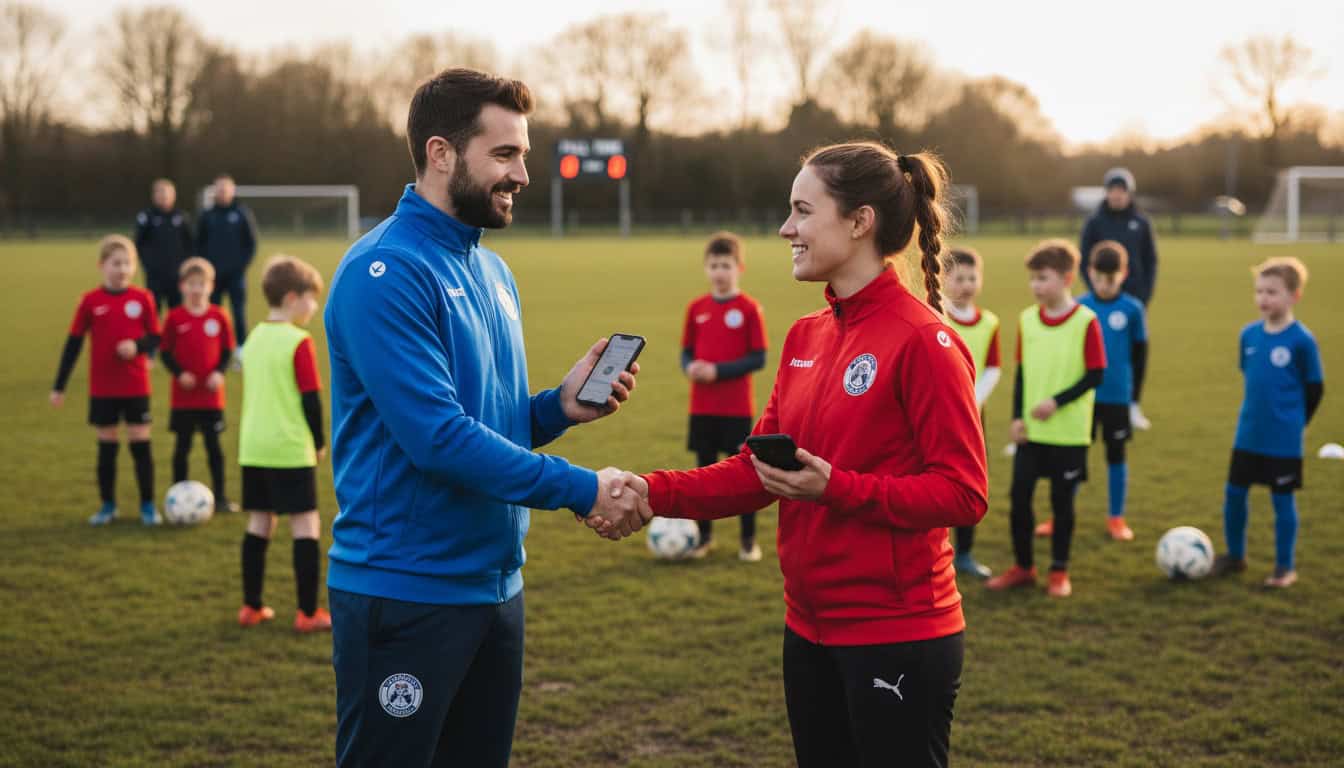
Phase 2: The 7-Day Reminder
One week before the match, send a brief check-in:
Purpose:
- Confirm the fixture is still happening
- Catch any emerging issues early
- Allow time to find alternatives if problems arise
Example 7-Day Message
Hi [Name],
Quick reminder about our friendly this Saturday at [Venue], 10:00 AM.
We're looking forward to it. Everything still good on your end?
[Your Name]
What to do if they don't respond: Follow up once more. If still no response within 48 hours, assume the match may be at risk and begin identifying backup options.
Phase 3: The 48-Hour Confirmation
Two days before the match, send final confirmation:
Purpose:
- Lock in commitment
- Exchange any last-minute details
- Finalize numbers and logistics
Example 48-Hour Message
Hi [Name],
Final confirmation for Saturday:
- 10:00 AM at [Venue]
- We'll have 16 players
- Referee confirmed
- I'll be there from 9:15 to open up
See you then!
[Your Name]
Why 48 hours is the key window: This timing allows both teams to finalize travel, confirm player attendance, and make last-minute adjustments while still providing buffer for alternatives if issues surface.
Building Commitment Mechanisms
Beyond communication, certain practices increase opponent commitment to showing up.
1. Require Confirmation Responses
Don't send one-way messages. Always include a question or request that requires a response:
Weak
"Match is Saturday at 10am."
Strong
"Match is Saturday at 10am. Can you confirm your squad is ready?"
Requiring responses creates psychological commitment and surfaces issues that silent acceptance might hide.
2. Establish Reciprocal Relationships
Teams are more likely to honor fixtures with opponents they expect to play again. Build ongoing relationships:
- After successful matches, immediately propose the next fixture
- Create a small network of regular opponents
- Mention future match possibilities in your communications
Why this works: Cancelling on someone you'll never see again has low social cost. Cancelling on a regular opponent damages a valuable relationship.
3. Use Platform-Based Scheduling
Match-finding platforms create accountability through:
- Visible match history and reliability ratings
- Documented communication trails
- Structured confirmation workflows
- Reputation consequences for cancellations
Teams using dedicated scheduling platforms report fewer cancellations than those relying solely on informal arrangements.
4. Involve Multiple People
When arrangements exist only between two individuals, a single person forgetting derails everything. Expand the communication:
- CC coaches or assistant managers on confirmations
- Post confirmed fixtures to team communication channels
- Ensure multiple people on each side know the match is happening
Why this works: Social awareness creates accountability. When the whole team knows about a fixture, it's harder for one person's oversight to cause cancellation.

Ready to find matches?
Join verified teams finding friendly matches in minutes, not days.
Creating Clear Cancellation Policies
Prevention is ideal, but having clear policies for when cancellations occur reduces friction and maintains relationships.
Define Acceptable Notice Periods
Establish expectations upfront:
| Notice Given | Response |
|---|---|
| 7+ days | Understandable, reschedule readily |
| 3-6 days | Disappointing but manageable |
| 24-72 hours | Problematic, impacts planning |
| Same day | Unacceptable except emergencies |
Include this in initial discussions: "If anything comes up, please let us know as early as possible—ideally 72+ hours if you can."
Distinguish Emergencies from Poor Planning
Not all cancellations are equal:
Legitimate Emergencies
- Serious injury or illness affecting multiple players
- Facility closure beyond anyone's control
- Dangerous weather conditions
- True unforeseen circumstances
Poor Planning (Preventable)
- "Not enough players" discovered day-of
- Forgot about another commitment
- "Something came up" without specifics
- Repeated cancellations from same team
Handle emergencies with grace. Address poor planning patterns directly or reconsider future fixtures with that opponent.
Communicate Consequences Professionally
If a team cancels inappropriately, you can:
- Express disappointment without hostility
- Note the impact on your team's preparation
- Decline future fixtures if patterns persist
- Provide feedback on match-finding platforms if applicable
Example Response to Poor Cancellation
Hi [Name],
We're disappointed to receive same-day cancellation. Our team traveled and prepared for this fixture.
We understand things happen, but last-minute cancellations significantly impact our planning. If you'd like to reschedule, we'd need more reliable confirmation next time.
[Your Name]
What to Do When You Receive a Cancellation
Despite best efforts, cancellations will happen. Having a response plan minimizes disruption.
Immediate Actions
- Acknowledge receipt — Confirm you received the cancellation
- Assess timing — How much notice did you receive?
- Communicate to your team — Update players immediately
- Explore alternatives — Can you find a replacement opponent?
Finding Last-Minute Opponents
When cancellations happen with some notice, you may find replacements:
24-72 Hours Notice
- Post availability on match-finding platforms
- Contact your network of regular opponents
- Check social media groups for teams seeking fixtures
- Reach out to local clubs directly
Same-Day Cancellation
- Contact teams you know are flexible
- Consider converting to internal scrimmage
- Use the time for focused training instead
The teams most successful at finding last-minute replacements maintain active networks of potential opponents they can contact quickly.
Protecting Your Time
Build buffers into your planning:
- Always have 2-3 backup opponents identified
- Maintain relationships with flexible teams
- Keep internal scrimmage as fallback option
- Don't over-invest in single fixtures until confirmed
Red Flags: Identifying Unreliable Opponents
Some warning signs suggest a team may cancel:
During Initial Contact
After Confirmation
Trust your instincts. A team that's difficult to communicate with before the match will likely be difficult on match day or may not show up at all.
Confirmation Process Checklist
Initial Agreement
7 Days Before
48 Hours Before
Match Day
How This Relates to Other Topics
Frequently Asked Questions
What details should be included in a match confirmation?
Include date, day of week, kickoff time, venue with full address, match format, kit colors, referee arrangements, and contact phone numbers for both team managers.
How far in advance should you confirm a friendly match?
Get initial confirmation 1-2 weeks before the match, send a reminder at 7 days, and complete final confirmation at 48 hours before kickoff.
What's the best way to send match confirmations?
Use whatever communication channel your opponent prefers—messaging apps, email, or platform messaging—but always put details in writing rather than verbal agreements.
How do you handle an opponent who won't confirm?
If an opponent doesn't respond to confirmation requests, follow up once, then begin actively seeking alternatives. Non-responsive teams often become cancellation risks.
What should you do if you need to cancel a match?
Notify the opponent as early as possible, explain the reason honestly, apologize for the inconvenience, and offer to reschedule. Same-day cancellations should only occur for emergencies.
How can you reduce the chance of opponents cancelling?
Use written confirmations, send reminder messages, build ongoing relationships with regular opponents, use platform-based scheduling, and ensure multiple people know about fixtures.
What's an acceptable notice period for cancellation?
Ideally 72+ hours minimum. Same-day cancellations are only acceptable for genuine emergencies. Establish these expectations when initially arranging the fixture.
Should you continue arranging matches with teams that cancel frequently?
After two cancellations, have a direct conversation about reliability. If patterns continue, politely decline future fixtures and focus on more reliable opponents.
How do you find a replacement opponent after a cancellation?
Post availability on match-finding platforms immediately, contact your network of regular opponents, check social media groups, and reach out to local clubs.
What makes some opponents more reliable than others?
Reliable opponents communicate promptly, confirm details in writing, respond to reminders, have organized internal processes, and value their reputation.