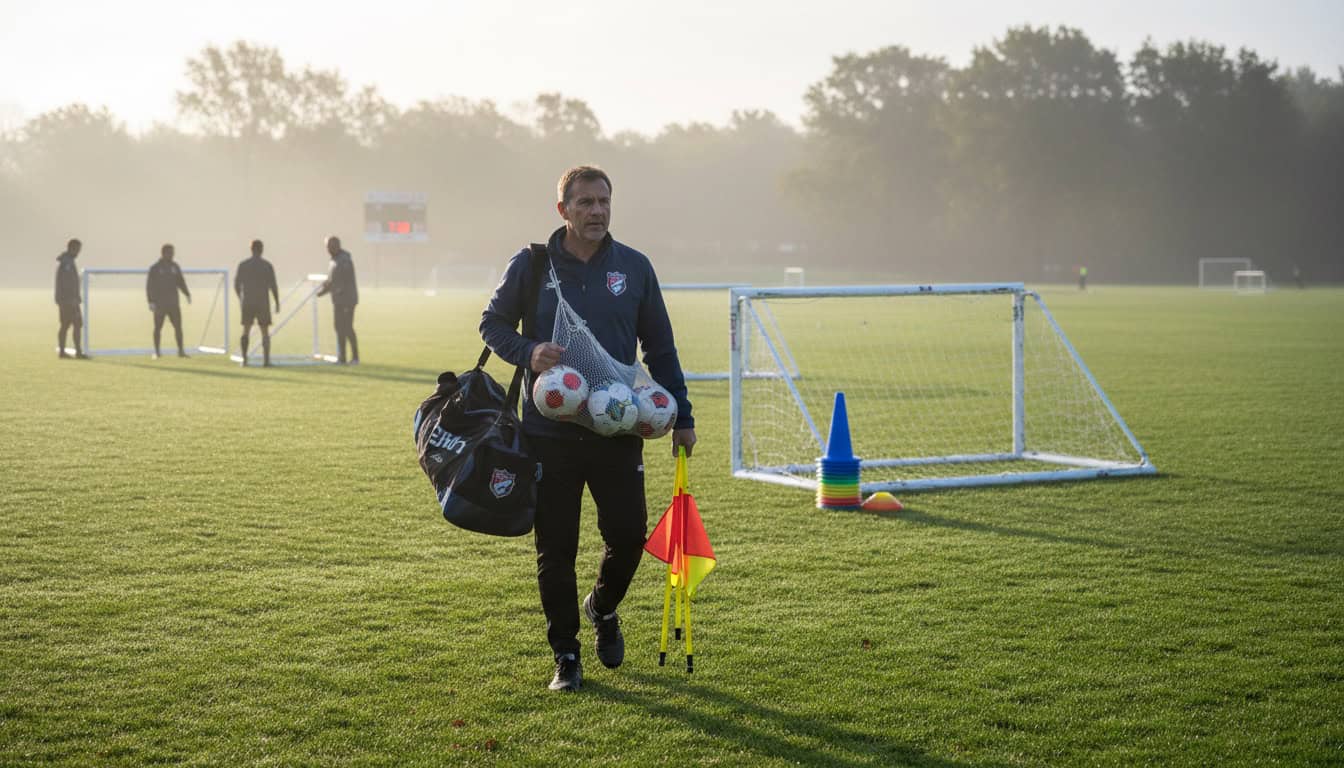
Effective match day setup starts 45-60 minutes before kickoff and covers three areas: venue preparation, team coordination, and opponent management. Managers who follow a consistent pre-match routine create calm, professional environments where players can focus on performance rather than logistics.
Key Takeaways
- Arrive early — 45-60 minutes before kickoff allows proper setup without rushing
- Systematic approach — Follow the same routine every match to build consistency and reduce forgotten items
- Professional hosting — How you manage match day affects your reputation and future opponent relationships
Why Match Day Setup Matters
The hour before kickoff sets the tone for everything that follows. Rushed arrivals, missing equipment, and disorganized facilities create stress that carries onto the pitch. Players notice when their manager is scrambling versus calmly in control.
Beyond your own team, match day execution affects opponent relationships. Teams remember professional hosts who had everything ready. They also remember chaotic experiences with missing referees, locked changing rooms, and unprepared facilities. Your match day reputation influences whether quality opponents want to play you again.
The Match Day Timeline
60 Minutes Before Kickoff: Arrival and Access
Priority tasks:
- Arrive at venue and confirm access
- Unlock changing rooms for both teams
- Turn on lights if needed (indoor or evening matches)
- Locate and test any venue equipment (goals, corner flags)
- Identify any issues requiring immediate attention
Manager mindset: You're the advance team. Everything should be ready before anyone else arrives.
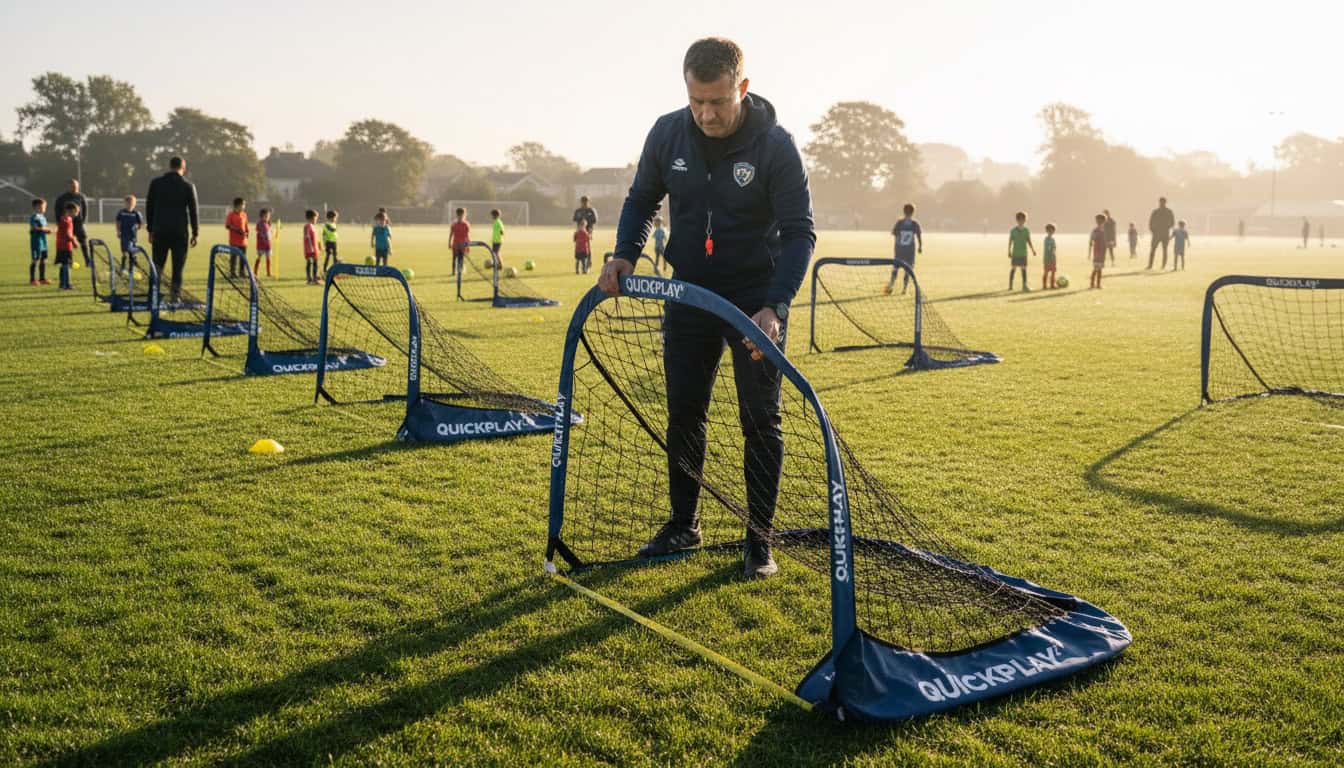
45 Minutes Before Kickoff: Venue Setup
Priority tasks:
- Inspect the pitch for hazards (debris, holes, wet spots)
- Confirm goals are secure and nets properly attached
- Set up corner flags if required
- Prepare your team's bench area (water, equipment, first aid)
- Designate warmup areas for both teams
Common issues to catch early:
- Goals not anchored properly
- Previous users left equipment or litter on pitch
- Changing room issues (no hot water, locked areas)
- Parking complications that need communicating
30 Minutes Before Kickoff: Team Arrival
Priority tasks:
- Welcome arriving players and direct to changing room
- Confirm attendance and finalize available squad
- Distribute any equipment (bibs, captain's armband)
- Brief assistant coach or designated helper on their role
- Post lineup or communicate verbally to squad
Player management:
- Account for who's present as they arrive
- Note any players reporting minor issues (tightness, knocks)
- Ensure late arrivals know warmup timing
20 Minutes Before Kickoff: Opposition and Officials
Priority tasks:
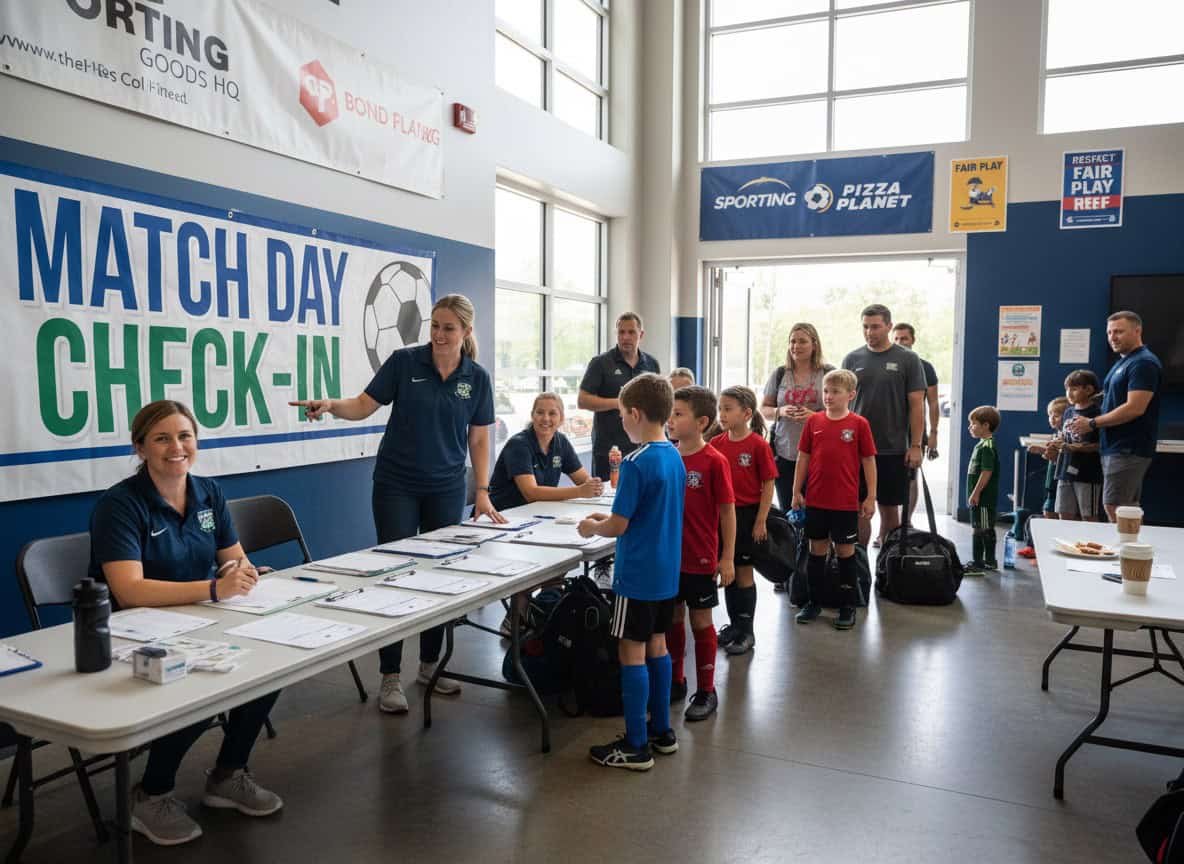
- Welcome opposition manager and show them to facilities
- Meet the referee and provide team sheet
- Confirm match format (duration, substitution rules)
- Exchange any final details with opponent
- Ensure both teams have adequate warmup space
Professional Touches
Introduce yourself by name, offer assistance if they need anything, and confirm post-match arrangements (refreshments, facilities access).
15 Minutes Before Kickoff: Final Preparation
Priority tasks:
- Complete team warmup
- Deliver pre-match brief (tactics, motivation, focus points)
- Confirm starting lineup with players
- Ensure substitutes understand their likely role
- Final equipment check (shin pads, boots, goalkeeper gloves)
Pre-match brief structure:
- Opponent overview (2 minutes)
- Key tactical points (3 minutes)
- Individual responsibilities (2 minutes)
- Motivation and focus (2 minutes)
5 Minutes Before Kickoff: Transition to Match
Priority tasks:
- Move team to pitch
- Captains meeting with referee (coin toss)
- Final positional reminders
- Confirm bench organization (substitutes, water, notes)
- Take your position for kickoff
Home Match Specifics
When hosting, you carry additional responsibilities that away managers don't face.
Venue Preparation Checklist
Before opponent arrives:
- Both changing rooms clean and accessible
- Toilets stocked and functional
- Pitch area clear and ready
- Parking guidance available if needed
- Any venue-specific information ready to share
Equipment you should provide:
- Match balls (at least 2-3)
- Corner flags (if not permanently installed)
- First aid kit accessible
- Water for both teams (or clear communication about self-supply)
Hosting Best Practices
Create positive first impressions:
- Be visible when opponents arrive
- Guide them to parking and changing areas
- Introduce yourself and offer assistance
- Provide venue information (toilets, water, warmup areas)
During the match:
- Ensure opponents have water access
- Address any facility issues promptly
- Maintain professional sideline behavior
After the match:
- Thank opponents before they leave
- Allow adequate changing room time
- Offer refreshments if arranged
- Collect any borrowed equipment
Ready to find matches?
Join verified teams finding friendly matches in minutes, not days.
Away Match Specifics
Traveling requires different preparation focus—you can't control the venue, but you can control your team's readiness.
Pre-Departure Checklist
Before leaving:
- Confirm venue address and directions
- Verify arrival time allows 30+ minutes before kickoff
- Account for traffic and parking time
- Ensure all players have transport arranged
- Pack all necessary equipment (you can't borrow at away venues)
Essential away kit:
- Match balls (don't assume host provides)
- Full first aid kit
- Water and bottles for entire squad
- Both home and away jerseys (in case of color clash)
- Cones and bibs for warmup
Arrival Protocol
Upon arrival:
- Find the home team contact immediately
- Confirm changing room location
- Identify pitch and warmup area
- Locate toilets and water access
- Note any venue-specific rules
Adaptation mindset: Accept that conditions differ from home. Focus players on performance, not facilities. Treat unfamiliar environments as development opportunities.
Equipment Checklist
Manager's Match Day Bag
Always carry:
- Team sheet (multiple copies)
- Lineup and substitution plan
- Referee payment (cash, correct amount)
- Emergency contact list
- Basic first aid supplies
- Notepad and pen for observations
- Phone with opponent contact saved
Useful additions:
- Stopwatch or timing app
- Tactical board or notes
- Spare laces and tape
- Energy snacks for players
- Wet weather gear (for touchline)
Team Equipment
For every match:
- Match balls (2-3 minimum)
- Training bibs (for warmup)
- Cones (warmup and tactical work)
- Water bottles (filled)
- First aid kit (stocked and checked)
- Corner flags (if needed)
Player equipment verification:
- Correct kit (home or away as required)
- Shin pads worn properly
- Appropriate footwear for surface
- Goalkeeper gloves and jersey
- Captain's armband
Managing the Referee
Your relationship with match officials significantly impacts game flow and atmosphere.
Pre-Match
When meeting the referee:
- Introduce yourself professionally
- Provide team sheet clearly written
- Confirm match format and any special rules
- Ask about their preferred communication method during play
- Clarify substitution procedure
Information referees need:
- Team name and colors
- Squad list with numbers
- Captain identification
- Any registered coaches
During the Match
Professional conduct:
- Address referee respectfully, even in disagreement
- Use appropriate moments (stoppages) for communication
- Accept decisions, even when you disagree
- Model behavior you want from your players
Avoid
Constant commentary on decisions, demonstrative reactions to calls, undermining referee authority to players, approaching referee during active play.
Post-Match
Always:
- Thank the referee regardless of performance
- Pay fees promptly (have exact cash ready)
- Provide any required documentation
- Offer handshake and appreciation
Weather and Contingency Planning
Match day conditions don't always cooperate. Preparation for variables demonstrates professionalism.
Wet Weather Preparation
Adjustments to make:
- Arrive earlier (setup takes longer)
- Bring additional towels
- Ensure proper footwear for conditions
- Have warm layers available for substitutes
- Consider ball changes more frequently
Facility considerations:
- Covered areas for substitutes if available
- Changing room heating verified
- Post-match warm clothing accessible
Extreme Heat Preparation
Player welfare priorities:
- Extra water supplies
- Scheduled water breaks (coordinate with referee)
- Shade during halftime
- Monitor players for heat stress signs
- Consider lineup rotation for fitness management
Late Cancellation Scenarios
If conditions deteriorate:
- Consult with referee on playability
- Communicate with opponent immediately
- Have contingency plan (reschedule date)
- Inform your team promptly
- Document any costs incurred
Post-Match Transition
Match day responsibilities extend beyond the final whistle.
Immediate Post-Match
First 10 minutes:
- Thank referee and pay fees
- Thank opposition manager
- Brief team acknowledgment (win or lose)
- Begin equipment collection
- Allow players changing room time
Before Leaving Venue
Final checks:
- All equipment collected and accounted for
- Changing rooms left tidy
- Any borrowed items returned
- Injured players assessed and documented
- Venue secured (if home match)
Within 24 Hours
Follow-up tasks:
- Record result and key statistics
- Send thank-you message to opponent
- Note any match observations for training
- Address any incidents requiring follow-up
- Update fixture calendar
How This Relates to Match Organization
Match day setup is one component of comprehensive friendly match organization. The broader context helps you understand where match day fits:
Pre-match confirmation — Solid confirmation processes mean fewer match day surprises. Verify details days before, not hours before.
Building reputation — Professional match day execution builds your network of regular opponents. Teams want to play managers who run organized fixtures.
Team management — Match day skills fit within overall team management competencies.
Match Day Setup Checklist (Printable)
60 Minutes Before
- [ ] Arrive and confirm venue access
- [ ] Unlock all required facilities
- [ ] Initial venue inspection
45 Minutes Before
- [ ] Pitch inspection and setup
- [ ] Bench area preparation
- [ ] Equipment laid out
30 Minutes Before
- [ ] Welcome players, confirm attendance
- [ ] Finalize lineup
- [ ] Begin warmup
20 Minutes Before
- [ ] Welcome opposition and referee
- [ ] Exchange team sheets
- [ ] Confirm match details
15 Minutes Before
- [ ] Complete warmup
- [ ] Pre-match brief
- [ ] Final equipment check
5 Minutes Before
- [ ] Move to pitch
- [ ] Captains meeting
- [ ] Ready for kickoff
Frequently Asked Questions
How early should a team manager arrive on match day?
Arrive 45-60 minutes before kickoff. This provides time for venue access, setup, addressing unexpected issues, and creating a calm environment before players arrive.
What equipment should managers always bring to matches?
Essential items include team sheets, lineup plans, referee payment, first aid kit, match balls, training bibs, cones, water bottles, and emergency contact information.
Who is responsible for providing match balls in friendly matches?
The home team typically provides match balls. For away matches, bring your own as backup—never assume the host will supply everything you need.
How should managers welcome the opposing team?
Greet their manager personally, show them to changing facilities, provide venue information, and offer assistance. Professional hosting builds lasting relationships.
What information does a referee need before the match?
Provide team name, squad list with numbers, kit colors, captain identification, and confirm match format. Have this prepared in writing.
How do you handle equipment issues discovered on match day?
Address fixable issues immediately. For serious problems, communicate with opponent and referee about options—delay, modify, or postpone.
What should be included in a pre-match team brief?
Cover opponent overview, key tactical points, individual responsibilities, and motivational focus. Keep it concise—about 10 minutes total.
How do managers handle wet weather on match day?
Arrive earlier for extended setup, bring extra towels, ensure appropriate footwear, have warm layers for substitutes, and coordinate with referee on conditions.
What's the manager's first priority after the match ends?
Thank the referee and pay any fees immediately. Then thank the opposition manager before focusing on your own team debrief and equipment collection.
How can match day organization improve a team's reputation?
Professional setup demonstrates reliability and respect. Opponents remember positive experiences and are more likely to accept future fixtures and maintain relationships.
Ready to find your next match?
Join verified teams finding opponents in minutes.
Create your free accountNo credit card required