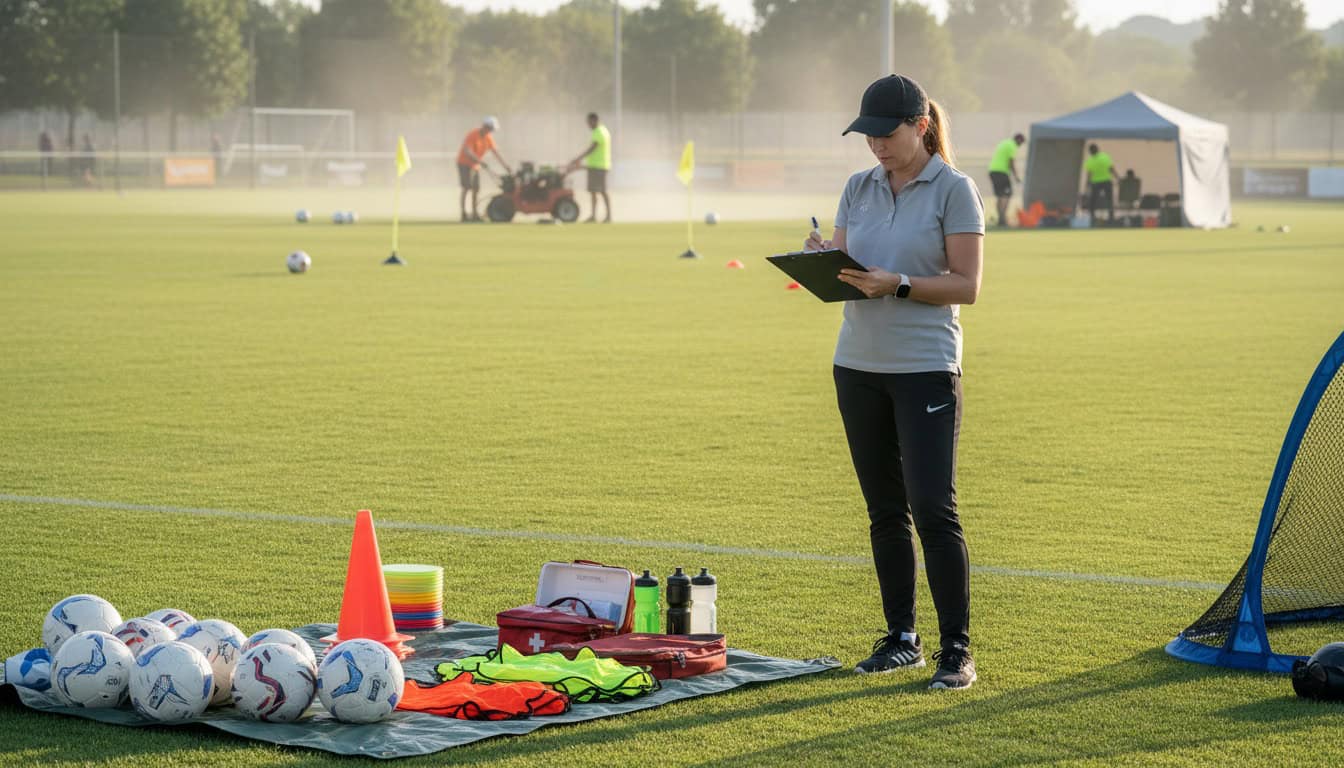
A well-organized friendly match requires attention across three phases: pre-match preparation (1-2 weeks before), match-day execution, and post-match follow-up. Teams that follow a consistent checklist build reliable reputations that attract quality opponents and create smoother experiences for everyone involved.
Key Takeaways
- Before (1-2 weeks out) — Confirm details with opponent, arrange venue and officials, communicate with your squad
- During (match day) — Arrive early, handle introductions professionally, manage substitutions and time
- After (within 48 hours) — Thank opponent, record results, debrief with team, and propose future fixtures
Why Checklists Matter for Friendly Matches
Friendly matches may not count in standings, but poor organization affects your team's reputation. Opponents remember when you arrived late, forgot to book the referee, or never followed up after the match. These impressions determine whether teams want to play you again.
A consistent checklist eliminates forgotten details. It transforms friendly match organization from stressful improvisation into systematic execution. Teams that run organized friendlies build networks of regular opponents who return fixture after fixture.
Before the Match: 1-2 Weeks Out
Confirmation Checklist (7-14 days before)
- Confirm match with opponent — Send written confirmation including date, time, venue, and contact details
- Verify venue availability — Book the pitch/facility and confirm any required deposits
- Arrange officials — Book referee (and assistants if needed) or agree on self-officiating
- Agree on match format — Duration, substitution rules, and any special conditions
- Exchange contact numbers — Share mobile numbers for match-day communication
Why this matters: Most match-day problems trace back to unclear pre-match communication. Written confirmation creates accountability and prevents "I thought we said..." situations.
Squad Communication Checklist (7 days before)
- Announce the fixture — Share opponent name, date, time, and location with all players
- Collect availability — Confirm who can attend and their arrival time
- Assign travel arrangements — Coordinate carpools for away matches
- Distribute opponent information — Share any relevant details about the opposing team
- Confirm kit requirements — Specify which kit to bring (home/away) and any additional gear
Why this matters: Players need adequate notice to arrange work, family, and transportation. Last-minute announcements reduce attendance and preparedness.
Logistics Checklist (3-7 days before)
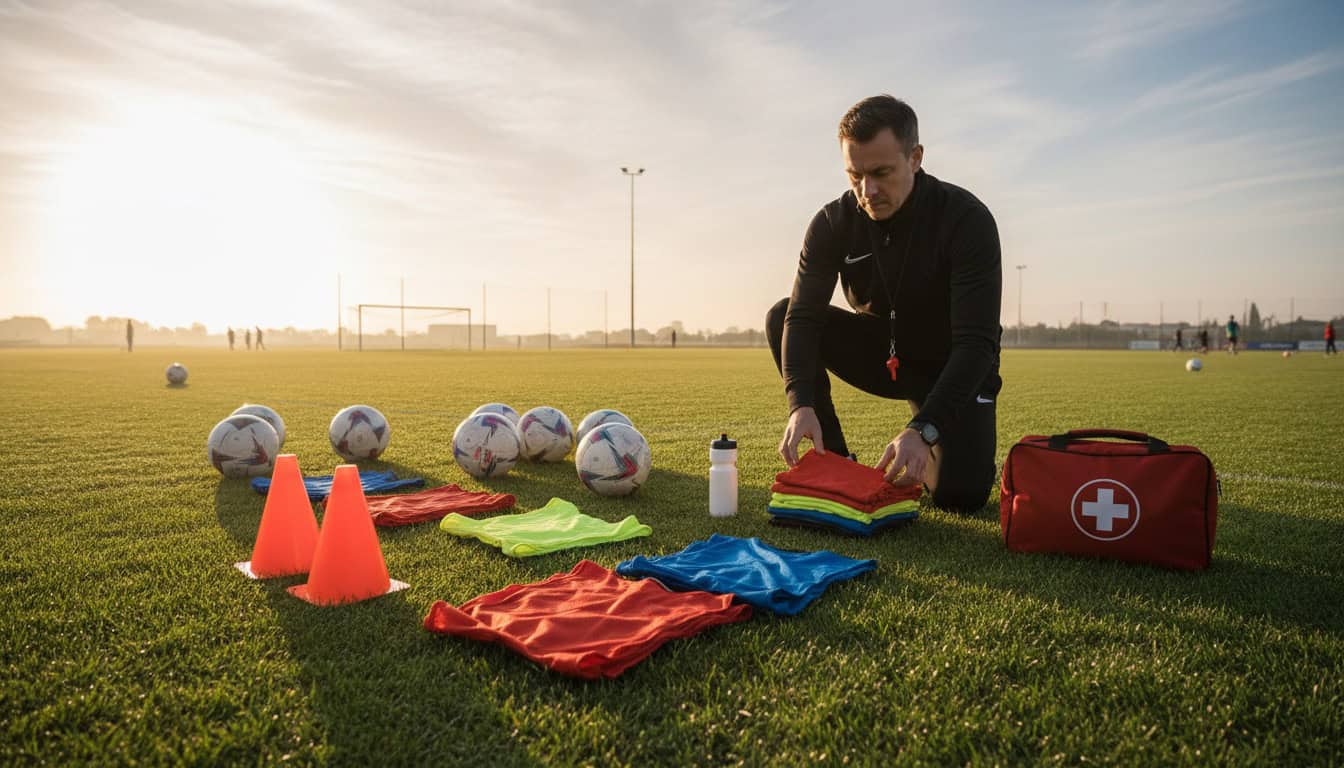
- Prepare match equipment — Balls, bibs, cones, first aid kit, water
- Confirm changing room access — Verify facilities are available and accessible
- Arrange refreshments — Post-match drinks or food if customary
- Prepare lineup and substitution plan — Draft intended playing time distribution
- Print/prepare documentation — Team sheet, emergency contacts, any required forms
Why this matters: Match-day scrambling for equipment or facilities creates unnecessary stress. Preparation allows focus on football rather than logistics.
Before the Match: 48-72 Hours Out
Final Confirmation Checklist
- Re-confirm with opponent — Brief message confirming everything is set
- Check weather forecast — Assess if conditions might affect the match
- Finalize squad selection — Confirm available players and planned rotation
- Verify referee confirmation — Ensure officials know venue and kickoff time
- Prepare cash for officials — Have referee fees ready in appropriate denominations
Contingency Planning
- Establish cancellation protocol — Know how late you can cancel and notification requirements
- Identify backup venue — Have an alternative if weather or facility issues arise
- Share emergency contacts — Ensure someone has first aid training and emergency numbers
Match Day: Arrival and Setup
Pre-Kickoff Checklist (Arrive 30-45 minutes early)
Upon arrival:
- Inspect the pitch — Check for hazards, proper markings, and goal setup
- Open changing rooms — Ensure facilities are ready for both teams
- Set up team area — Organize bench, equipment, and water
- Meet the referee — Introduce yourself, provide team sheet, confirm match format
- Welcome opposition — Greet their manager, show them to changing facilities
15 minutes before kickoff:
- Complete player registration — Verify all players are present and properly equipped
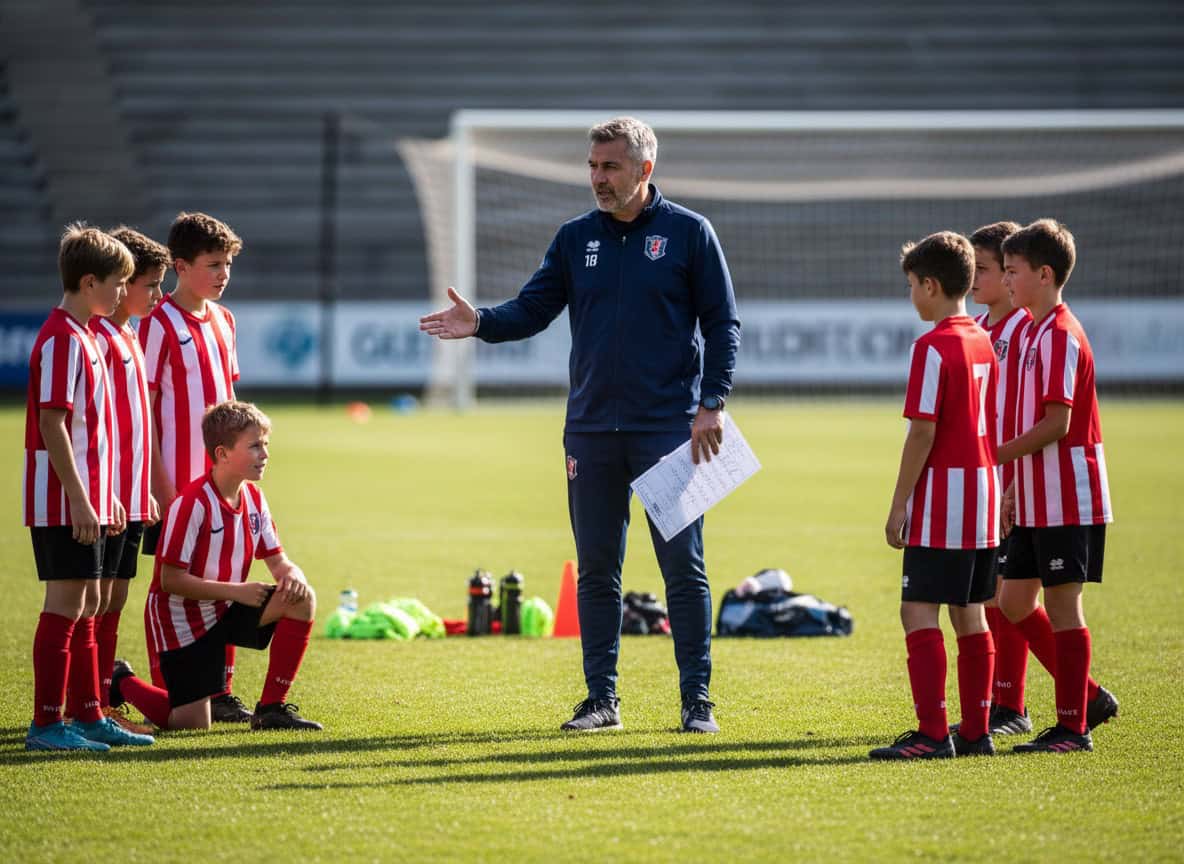
- Brief your team — Final tactical reminders and motivation
- Confirm substitution procedure — Ensure both teams and referee understand the process
- Photo opportunity — Team photo if desired (before kits get dirty)
- Captains meeting — Coin toss and any final clarifications
Why Early Arrival Matters
Rushing creates tension. Arriving early demonstrates professionalism and allows proper preparation for everyone.
Match Day: During the Match
First Half Management
- Track playing time — Monitor minutes for rotation planning
- Note tactical observations — What's working, what needs adjustment
- Communicate with substitutes — Keep warming up and ready
- Monitor player welfare — Watch for fatigue, injury signs, or frustration
- Maintain sideline discipline — Model respectful behavior for your team
Halftime Checklist
- Provide water and rest — Ensure all players hydrate
- Share observations — Brief tactical feedback (keep it constructive)
- Confirm second-half substitutions — Communicate changes clearly
- Check on any knocks — Assess any minor injuries from first half
Second Half Management
- Execute substitution plan — Ensure all players get agreed minutes
- Track score and incidents — Note goals, cards, significant events
- Manage time — Coordinate with referee on remaining time
- Prepare for post-match — Mentally transition to thanking opponent
Handling Unexpected Situations
If a player is injured:
- Stop play immediately if serious
- Have first aid kit accessible
- Know location of nearest medical facility
- Document incident for records
If disputes arise:
- Support the referee's decisions
- Address concerns calmly after the match
- Never confront opposition aggressively
- Remember: it's a friendly
After the Match: Immediate Actions
Post-Match Checklist (Within 30 minutes)
- Thank the referee — Pay fees, express appreciation regardless of decisions
- Thank the opposition — Shake hands with manager and players
- Gather your equipment — Collect all balls, bibs, and belongings
- Check changing rooms — Ensure nothing is left behind and facilities are tidy
- Brief social interaction — Post-match refreshments if arranged
Result Recording (Within 24 hours)
- Record the score — Update your match records with result
- Note goalscorers — Track individual statistics if maintained
- Log playing time — Record minutes played for each squad member
- Document any incidents — Injuries, disciplinary issues, or concerns
- Save opponent contact — Add to your network for future fixtures
After the Match: Follow-Up (24-48 hours)
Communication Checklist
- Send thank-you message — Brief note to opponent thanking them for the match
- Share result with your team — Post to team communication channel
- Propose future fixture — If match went well, suggest another date
- Update public records — Post result to social media or website if applicable
- Pay any outstanding costs — Settle venue fees, referee expenses, or shared costs
Team Debrief Checklist
- Review performance — What went well, what needs work
- Identify development areas — Training priorities for upcoming sessions
- Recognize contributions — Acknowledge standout performances
- Address any concerns — Handle any issues that arose during the match
- Plan next friendly — Use insights to inform future fixture scheduling
Ready to find matches?
Join verified teams finding friendly matches in minutes, not days.
The Printable Checklist: One-Page Summary
1-2 Weeks Before
- Confirm with opponent (date, time, venue)
- Book venue and officials
- Agree on match format
- Exchange contact numbers
- Announce to squad and collect availability
48-72 Hours Before
- Re-confirm all arrangements
- Check weather forecast
- Finalize squad and rotation plan
- Prepare equipment and cash for officials
Match Day
- Arrive 30-45 minutes early
- Inspect pitch and setup team area
- Welcome opposition and referee
- Track playing time and tactical notes
- Thank everyone after the match
After the Match
- Record result and statistics
- Send thank-you to opponent
- Debrief with team
- Propose future fixture
Common Oversights to Avoid
Pre-Match Oversights
| Oversight | Consequence | Prevention |
|---|---|---|
| No written confirmation | Disagreements about arrangements | Always confirm in writing |
| Forgetting referee booking | Self-officiating tensions | Add to checklist 7+ days out |
| Not exchanging mobile numbers | Unable to communicate on match day | Part of initial confirmation |
| Unclear kit colors | Both teams wearing same colors | Confirm home/away assignment |
Match-Day Oversights
| Oversight | Consequence | Prevention |
|---|---|---|
| No cash for referee | Awkward payment situation | Prepare exact amount in advance |
| Arriving late | Rushed warmup, poor impression | Target 30-45 minutes early |
| No first aid kit | Unprepared for injuries | Add to equipment checklist |
| No water available | Dehydration risk | Include in logistics prep |
Post-Match Oversights
| Oversight | Consequence | Prevention |
|---|---|---|
| No follow-up message | Missed relationship opportunity | Schedule 24-hour reminder |
| Forgetting to record result | Incomplete team records | Add to post-match routine |
| Not collecting equipment | Lost balls and bibs | Final sweep before leaving |
| Ignoring negative incidents | Unaddressed issues fester | Include in debrief |
How This Relates to Team Management
This checklist supports broader team management responsibilities. Friendly match organization connects to several other areas:
Finding opponents — Before using this checklist, you need opponents to play. Our guide on finding opponents for friendly matches covers the most effective methods.
Player availability — Checklist effectiveness depends on knowing who's available. Managing player availability ensures you're prepared before matches.
Avoiding cancellations — Following this checklist helps avoid last-minute cancellations that damage relationships with opponents.
Building relationships — Following up professionally builds your network of regular opponents for future fixtures.
Frequently Asked Questions
What should be included in a friendly match confirmation?
Include date, time, venue address, match format (duration, substitutions), referee arrangements, kit colors, and contact phone numbers for both team managers.
How early should teams arrive for a friendly match?
Arrive 30-45 minutes before kickoff. This allows time for pitch inspection, equipment setup, team warmup, and proper welcome of the opposition.
Who is responsible for providing match balls?
The home team typically provides match balls. For neutral venues, agree in advance which team will supply equipment, or each team brings their own.
What happens if weather threatens the match?
Monitor forecasts 48-72 hours out. Establish cancellation criteria with your opponent and have a backup plan—either a different date or alternative venue.
Should friendly matches have referees?
Referees improve match quality and reduce disputes. For competitive-level friendlies, book an official. For casual matches, agree on self-officiating protocols.
How do you handle injuries during a friendly match?
Have a first aid kit accessible, know the location of the nearest medical facility, and ensure someone present has basic first aid knowledge.
What should happen immediately after a friendly match?
Thank the referee and opposition, gather equipment, tidy changing facilities, and have any planned social interaction. These actions build positive relationships.
How soon should you follow up after a friendly match?
Send a thank-you message within 24-48 hours. If the match went well, include a suggestion for another fixture to build your regular opponent network.
What information should you record after each friendly?
Record the score, goalscorers, playing time per player, any incidents, and tactical observations. This data informs team development and future planning.
How do you build a reputation as a reliable opponent?
Confirm arrangements promptly, arrive on time, communicate professionally, and always follow up. Consistent reliability attracts quality opponents.
Ready to find your next match?
Join verified teams finding opponents in minutes.
Create your free accountNo credit card required