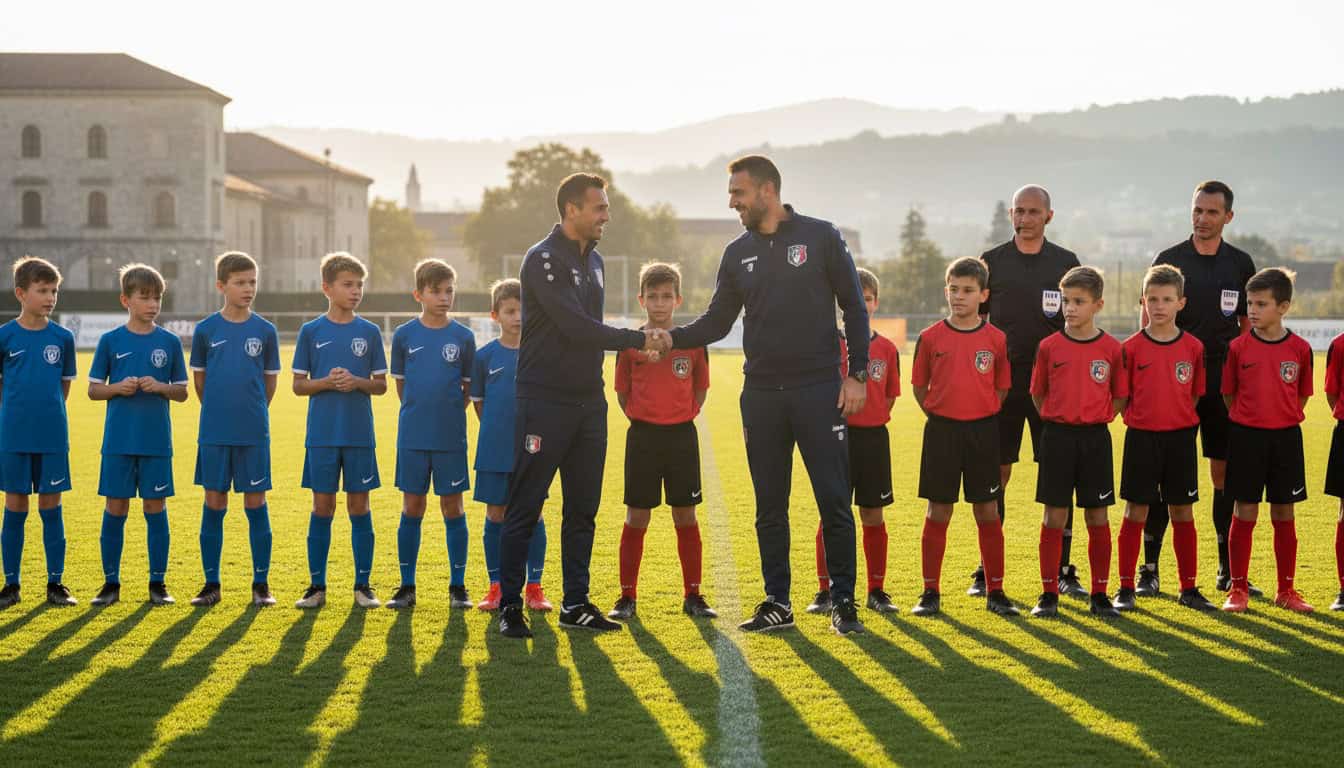
Finding opponents abroad requires research, networking, and careful planning. Start through existing connections—coaches, players, or club contacts with international links. Use tour operators, football associations, online platforms, and social media to identify potential opponents. Allow significant lead time for communication across time zones and languages, and verify opponent legitimacy before committing.
Why Seek International Opponents?
Benefits of International Fixtures
Teams pursue overseas opponents for various reasons:
Player Development
- Exposure to different playing styles
- Adaptation to unfamiliar conditions
- Broadened football education
- Enhanced tactical flexibility
Cultural Experience
- Travel and exploration
- Language exposure
- Cultural understanding
- Life experiences beyond football
Team Bonding
- Shared adventure strengthens relationships
- Extended time together
- Memorable collective experiences
- Stories that last years
Profile Building
- International fixtures enhance reputation
- Attract players and sponsors
- Demonstrate ambition
- Create content and publicity
When International Fixtures Make Sense
| Suitable For | Less Suitable For |
|---|---|
| Established teams with stable squads | New teams still finding identity |
| Teams with tour budget available | Teams with tight finances |
| Players able to commit to travel | Squads with limited availability |
| Programs with organizational capacity | Under-resourced clubs |
| Youth teams with development focus | Teams needing competitive results |
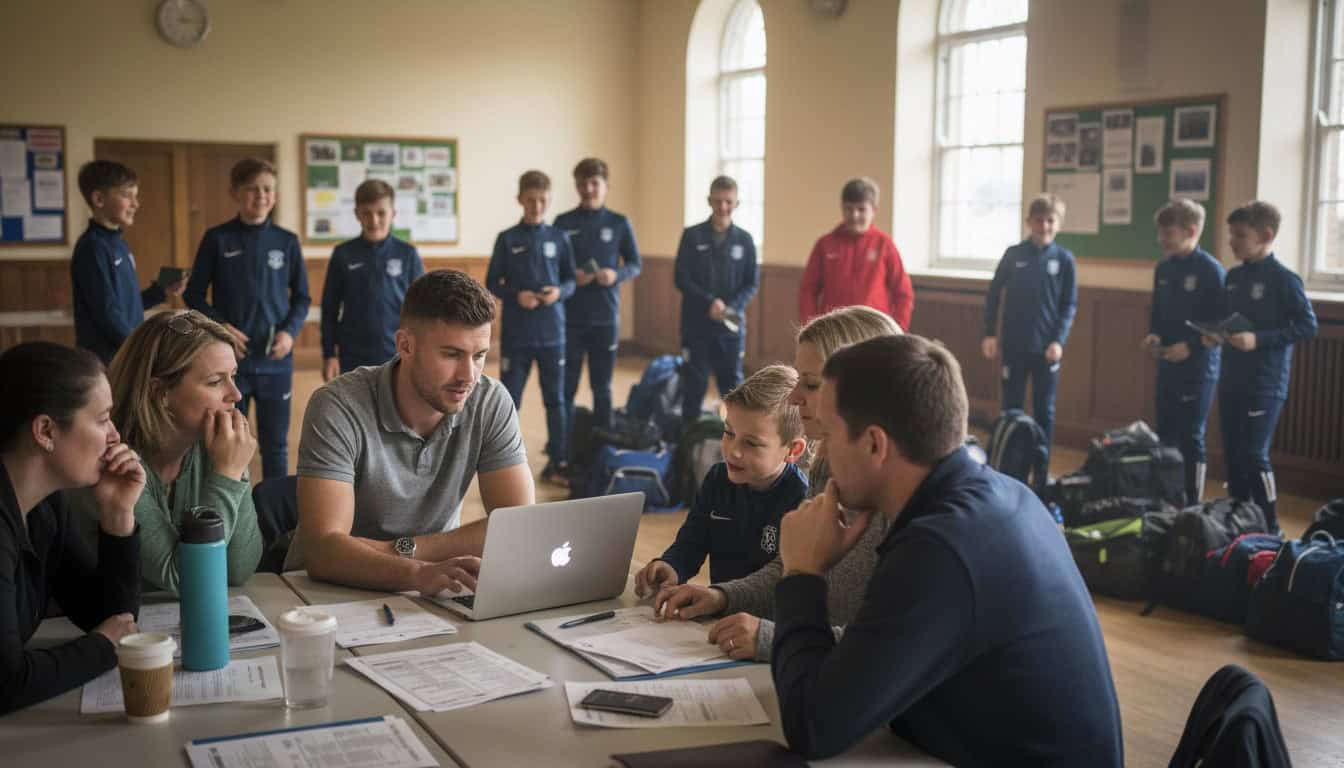
Finding Opponents Abroad
Personal and Club Networks
The most reliable route to international fixtures:
Existing connections:
- Coaches with contacts abroad
- Players with international backgrounds
- Club officials with overseas relationships
- Parents or supporters with links
Twinned towns and cities: Many towns have international twin relationships. Local councils may facilitate sports connections, and existing cultural links ease introductions.
Previous opponents: Teams you've played domestically may have international contacts. Ask regular opponents for introductions and leverage existing relationships.
Football Association Channels
National and regional FAs can help:
- Home FA international department — May facilitate introductions, advise on processes, sometimes organize exchange programs
- Target country FA — Contact directly for club recommendations, may have fixture coordination services, can verify club legitimacy
- UEFA and FIFA programs — Grassroots exchange initiatives, youth development partnerships, organized international events
Tour Operators and Specialists
Professional services exist for international football:
Benefits of Operators
- Established opponent networks
- Vetted quality of opposition
- Logistical expertise
- Problem-solving support
Considerations
- Cost premium for service
- Less control over specific opponents
- Package may include unwanted elements
- Varying quality between providers
Online Platforms and Direct Outreach
Digital connections enable direct contact:
- Some match-finding platforms include international search filters
- Facebook groups for international football
- Direct messaging to clubs via social media
- Club websites often list contact details
Direct outreach: Research targets carefully, identify clubs at appropriate level, find the correct contact person, and demonstrate seriousness in your approach. Expect slower response times with international communication.
Evaluating International Opponents
Due Diligence at Distance
Verification matters more when you can't observe directly:
Essential Checks
Warning Signs
Verification methods: Contact target country FA, search local media coverage, request references from previous touring teams, and video call with club representatives.
Planning International Fixtures
Timeline Recommendations
| Planning Phase | Recommended Timeline |
|---|---|
| Initial research | 12+ months ahead |
| First contact with opponents | 9-12 months ahead |
| Confirm fixtures | 6-9 months ahead |
| Book travel and accommodation | 4-6 months ahead |
| Finalize details | 2-3 months ahead |
| Final confirmations | 2-4 weeks ahead |
Why longer timelines? Cross-border communication is slower, more elements need coordinating, travel booking prices favor early commitment, visa requirements may apply, and player availability needs early confirmation.
Budget Considerations
International fixtures involve significant costs:
- Travel — Often the largest component (flights, ferries, coach)
- Accommodation — Proximity to venues, suitable for group
- Meals — Self-catering can reduce costs
- Match fees — Venue, officials, equipment
- Insurance — Comprehensive travel and medical coverage
- Contingency fund — Always include emergency funds
Cost Management Tips
Early booking reduces travel costs significantly. Consider self-catering accommodation, off-peak timing, and reciprocal arrangements where opponents visit you to share costs over time.
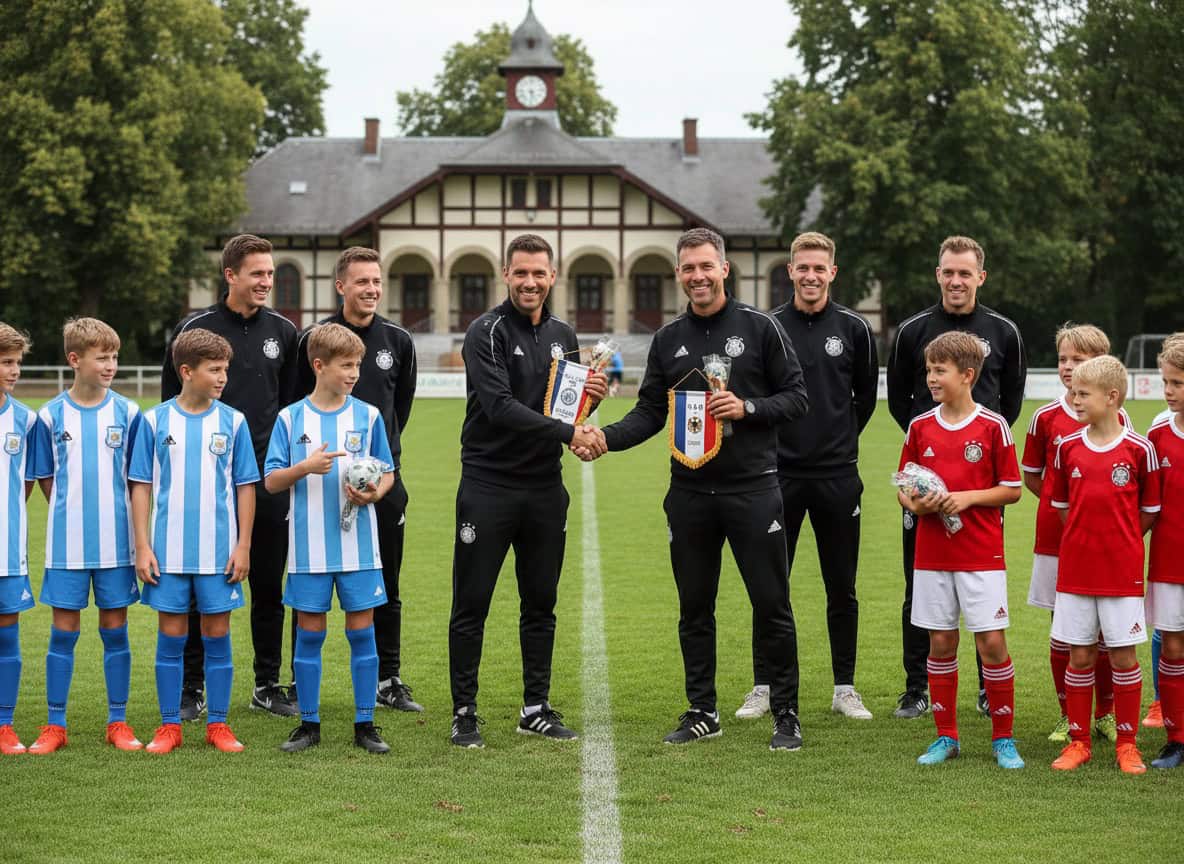
Communication Across Borders
Language Considerations
Not all opponents speak your language. Identify English speakers in opponent club, use translation tools for written communication, be patient with response times, and confirm understanding of key details.
Key information to confirm explicitly:
- Date and time (with time zone)
- Venue address and directions
- Format and duration
- Kit colors
- Contact numbers for match day
Cultural Awareness
Football cultures vary internationally. Expectations may differ around match intensity, refereeing standards, sideline behavior norms, and post-match customs. Research typical football culture in your target country and show appreciation for differences.
Ready to find matches?
Join verified teams finding friendly matches in minutes, not days.
Youth International Fixtures
Additional Considerations for Youth Tours
Youth international travel demands extra care:
Safeguarding Requirements
- Enhanced DBS/background checks for all adults
- Appropriate adult-to-child ratios
- Clear safeguarding policies communicated
- Emergency protocols established
Parental Engagement
- Full information to parents/guardians
- Consent forms completed
- Contact details and communication plans
- Health and medical information gathered
Documentation Requirements
Essential documents:
- Valid passports for all travelers
- Parental consent letters
- Medical information and medication
- Insurance documentation
- Emergency contact details
Depending on destination: Visas if required, EHIC/GHIC cards for Europe, vaccination certificates, travel authorizations.
Building International Relationships
From Single Fixture to Ongoing Partnership
The best international connections last beyond one tour:
First fixture as foundation: Treat as relationship beginning, focus on positive experience, exchange contact details properly, express interest in continuation.
Follow-up after tour: Thank opponent formally, share photos and memories, discuss future possibilities, maintain periodic contact.
Developing partnership: Reciprocal tours (they visit you), regular communication between tours, player or coach exchanges, shared development activities.
Reciprocal Arrangements
Two-way relationships work best. Benefits include stronger commitment from both sides, cost sharing over time, deeper relationships, and better opponent matching through familiarity.
Popular Football Tour Destinations
Western Europe
Netherlands, Belgium, Germany—strong youth systems. Spain—technical football culture. Italy—tactical sophistication. France—diverse playing styles.
Eastern Europe
Lower costs than Western Europe, growing football infrastructure, competitive opposition, unique cultural experiences.
Scandinavia
Well-organized football, English widely spoken, similar football culture, quality facilities.
Beyond Europe
USA—growing football culture. Further destinations for established programs with significant budget and time investment, offering unique experiences.
How This Relates to Other Topics
Frequently Asked Questions
How far in advance should I plan an international football tour?
Start planning 12+ months ahead for best results. This allows time for research, building relationships with potential opponents, booking travel at reasonable prices, and handling documentation requirements.
How do I find opponents abroad if I don't have any international contacts?
Use tour operators with established networks, contact your FA for suggestions, search online platforms with international filters, join social media groups for touring teams, or research clubs directly in your target destination.
What's the typical cost for an international football tour?
Costs vary enormously by destination, duration, and standards. Budget for travel, accommodation, meals, match fees, and insurance. European tours might range from several hundred to over a thousand pounds per person depending on arrangements.
Should I use a tour operator or arrange fixtures independently?
Tour operators provide expertise and reduce organizational burden but cost more. Independent arrangements offer more control and potentially lower costs but require significant time and effort. Your experience level and capacity should guide the decision.
How do I verify that an international opponent is legitimate?
Check their registration with the local FA, search for media coverage and online presence, request references from other touring teams, and video call with representatives before committing.
What documents do youth players need for international travel?
Valid passports, parental consent letters, medical information forms, and insurance documentation at minimum. Depending on destination, visas, health cards, or travel authorizations may also be required.
How do I handle language barriers with international opponents?
Identify English speakers at the opponent club, use translation tools for written communication, confirm key details explicitly in writing, and be patient with response times and potential misunderstandings.
What if the international opponent's level is very different from expected?
Adjust match format to maintain competitive balance—modified rules, mixed teams, or reduced intensity. Focus on the experience value rather than the competitive result. Treat it as learning for future matching.
Can international fixtures become regular arrangements?
Yes, the best international relationships become ongoing partnerships with reciprocal tours, regular communication, and deepening connections over years. Treat first fixtures as relationship-building opportunities.
What insurance do we need for international football tours?
Comprehensive travel insurance with medical coverage, cancellation protection, and personal liability. Ensure the policy covers football as an activity. Club liability insurance should also be confirmed for overseas activities.