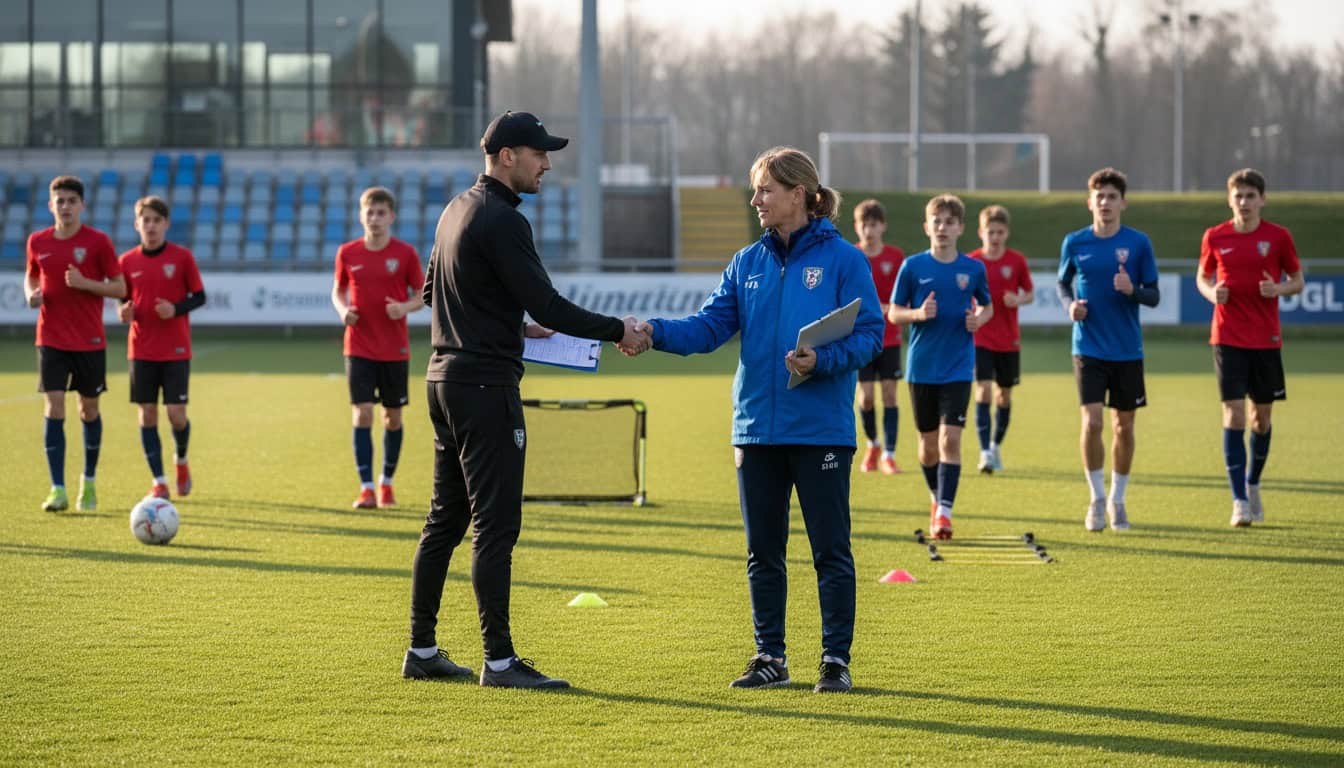
Youth academies find quality opposition through academy networks, development leagues, regional associations, and direct relationships with clubs sharing similar philosophies. Quality opponents challenge players appropriately for their developmental stage—neither too easy nor overwhelming. The best academy fixture programs prioritize learning opportunities over results, seeking opponents who play in ways that expose players to varied styles and tactical challenges.
Key Takeaways
- Development trumps results — Quality opposition supports learning, not just competitive outcomes
- Variety matters — Exposure to different playing styles accelerates development
- Relationships drive access — Academy networks provide consistent quality opposition
What Makes Opposition "Quality" for Development?
Beyond Winning and Losing
Quality opposition for academies isn't about finding teams you'll beat or teams that will test you competitively. It's about finding opponents that create learning environments.
Characteristics of quality developmental opposition:
| Factor | Why It Matters |
|---|---|
| Appropriate challenge level | Players learn in the "stretch zone"—challenged but not overwhelmed |
| Technical standard | Good technique in opponents forces good technique in response |
| Tactical organization | Structured opponents require structured play to succeed |
| Playing philosophy | Different styles expose players to varied challenges |
| Match conduct | Respectful competition allows focus on development |
| Consistent availability | Regular fixtures against known opponents track progress |
The Developmental Sweet Spot
Players develop optimally when:
Challenged enough to:
- Make decisions under pressure
- Experience consequences of mistakes
- Need to problem-solve in real-time
- Feel the match matters
Not so overwhelmed that they:
- Can't execute basic skills
- Lose confidence
- Stop trying new things
- Focus purely on survival
Finding this balance requires understanding both your players' current level and potential opponents' standards.
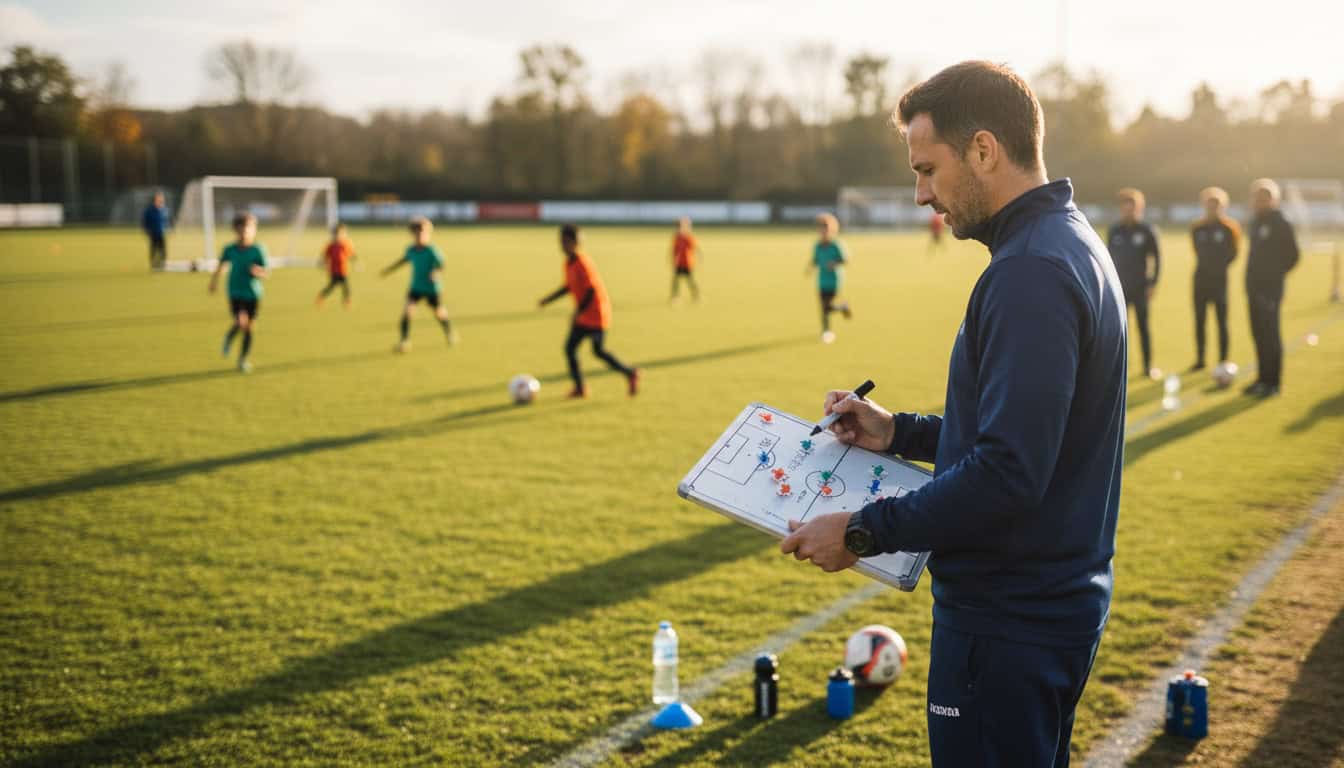
Sources of Quality Opposition
Academy Networks
Established academies connect through formal and informal networks:
Professional club academies
Category 1-4 academies in the professional game:
- Structured fixture programs
- Known developmental standards
- Regular competition calendars
- Clear contact pathways
Independent academy networks
Non-league and independent academies often form regional groups:
- Shared fixture coordination
- Similar developmental philosophies
- Mutual quality assurance
- Cost sharing on facilities
School and college academies
Educational institution programs:
- Post-16 academies and colleges
- Independent school programs
- University development squads
- Often seeking external fixtures
Development Leagues
Structured competitions designed for development:
FA development leagues
Regional leagues with developmental focus:
- Emphasis on player development over results
- Often include playing time rules
- Multiple age groups
- Known opposition standards
EFL development programs
For academies connected to EFL clubs:
- Structured competition pathway
- Quality-assured opposition
- Regular fixture calendar
- Clear progression route
Independent development leagues
Leagues created by academy groups:
- Shared philosophy among participants
- Controlled quality standards
- Flexible formatting
- Development-focused rules
Regional and County FA Connections
County FAs support academy fixture needs:
Academy liaison officers
Many FAs have dedicated contacts for:
- Connecting academies seeking fixtures
- Facilitating introductions
- Organizing festivals and showcases
- Supporting new academy programs
Regional academy forums
Regular meetings where academies:
- Share fixture availability
- Discuss best practices
- Build relationships
- Coordinate calendars
Direct Club Relationships
Building one-to-one relationships with quality clubs:
Identifying potential partners:
- Watch teams at tournaments
- Observe league matches
- Seek recommendations from network
- Research online presence
Approaching clubs:
- Contact academy director or head coach
- Explain your program and philosophy
- Propose trial fixture
- Discuss mutual benefits
Building an Academy Fixture Program
Age-Appropriate Opposition Strategy
Different age groups need different approaches:
Foundation phase (U7-U11)
Focus: Fun, fundamental skills, love of the game
Opposition needs:
- Similar developmental philosophy
- Emphasis on participation
- Technical focus over results
- Festival and tournament formats
Finding opponents:
- Local grassroots clubs with development focus
- Mini-soccer festivals
- FA Wildcats and similar programs
- School partnerships
Youth development phase (U12-U16)
Focus: Technical refinement, tactical introduction, position exploration
Opposition needs:
- Increasing tactical organization
- Varied playing styles
- Appropriate physical challenge
- Regular competitive fixtures
Finding opponents:
- Development leagues
- Academy networks
- Regional representative programs
- Quality grassroots clubs
Professional development phase (U17-U23)
Focus: Preparing for senior football, tactical sophistication, physical maturation
Opposition needs:
- High technical and tactical standard
- Physical intensity appropriate to senior game
- Varied tactical systems
- Possibly adult opposition
Finding opponents:
- Academy leagues
- Reserve/development team fixtures
- Senior non-league opposition
- International academy exchanges
Balancing Fixture Types
A well-rounded program includes:
Regular opponents (60-70% of fixtures)
- Known quality and standards
- Track player progress over time
- Efficient fixture administration
- Relationship-based scheduling
Stretch opponents (15-20% of fixtures)
- Slightly above current level
- Challenge players to raise game
- Expose limitations constructively
- Aspirational experiences
Varied style opponents (10-15% of fixtures)
- Different tactical approaches
- Unfamiliar challenges
- Broaden player experience
- Prevent comfort zone stagnation
Festival/tournament play (occasional)
- Multiple opponents in single events
- High-intensity experiences
- Network expansion
- Benchmark against wider field
Ready to find matches?
Join verified teams finding friendly matches in minutes, not days.
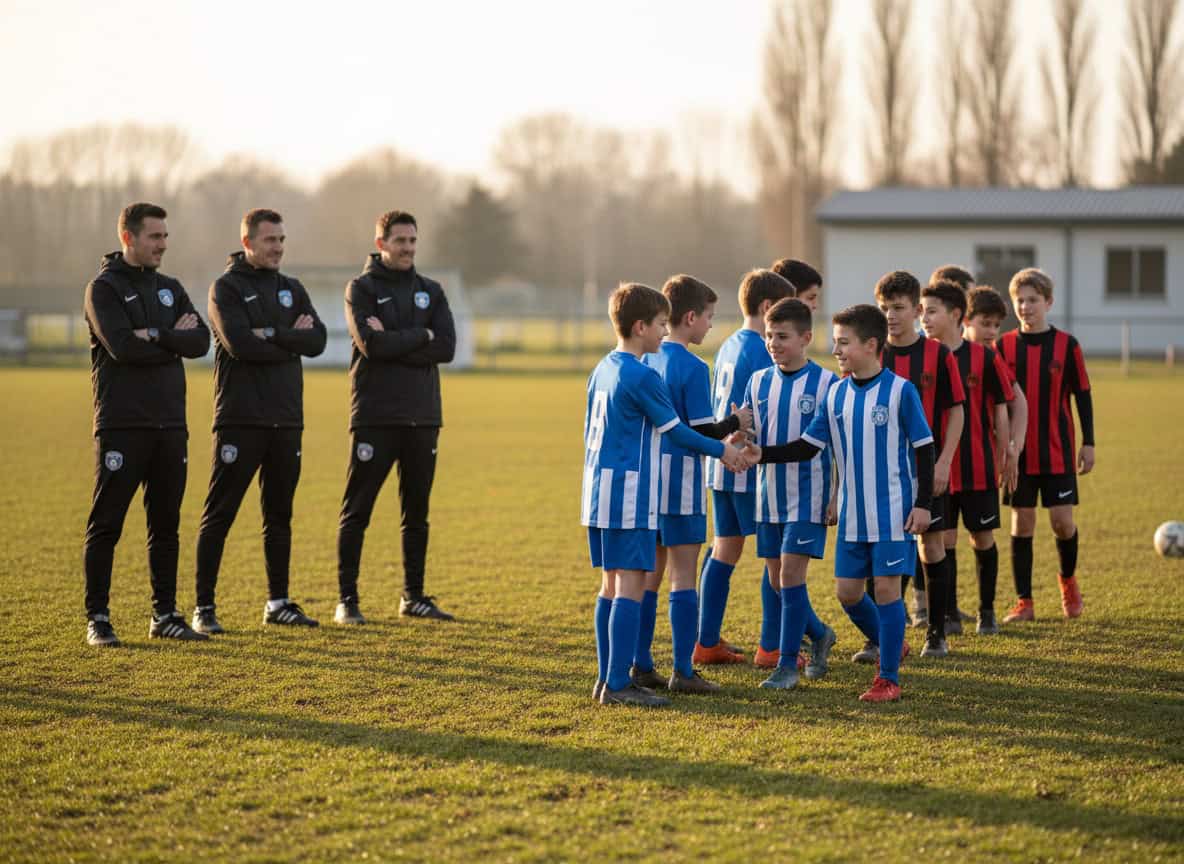
Evaluating Potential Academy Opponents
Pre-Fixture Assessment
Before committing to fixtures:
Research the program:
- What's their stated philosophy?
- How long have they operated?
- What pathway do players follow?
- Who coaches and what are their qualifications?
Observe if possible:
- Watch a training session or match
- Assess technical and tactical standards
- Note coaching approach and language
- Observe player conduct and attitude
Ask specific questions:
- How do they approach development vs. results?
- What playing style do they emphasize?
- How do they manage playing time?
- What's their approach to physical challenges?
Trial Fixture Approach
Use initial fixtures as assessments:
Before the match:
- Communicate your developmental focus
- Discuss format and rules
- Agree on expectations
- Exchange emergency contacts
During the match:
- Observe opposition coaching
- Note player conduct
- Assess challenge level
- Watch for red flags
After the match:
- Debrief with coaching staff
- Discuss what worked
- Evaluate developmental value
- Decide on future fixtures
Red Flags in Academy Opposition
Warning signs to watch:
| Red Flag | Concern |
|---|---|
| Win-at-all-costs coaching | Development sacrificed for results |
| Verbal aggression from sidelines | Poor environment for learning |
| Physical intimidation tactics | Safety concerns |
| Reluctance to discuss philosophy | Misaligned priorities |
| Over-age or ineligible players | Integrity issues |
| Poor organization | Unreliable fixture partner |
Managing Academy Fixture Relationships
Communication Standards
Academy relationships require clear communication:
Fixture confirmation protocol:
- Confirm 2 weeks in advance
- Reconfirm 48 hours before
- Exchange emergency contacts
- Share any relevant player information
Match day communication:
- Arrival time expectations
- Facility access details
- Format confirmation
- Post-match arrangements
Ongoing relationship maintenance:
- Season-start contact
- Regular check-ins
- Prompt response to communications
- Feedback sharing
Reciprocity and Balance
Sustainable relationships require mutual benefit:
Hosting balance:
- Alternate home and away fairly
- Share facility costs equitably
- Provide appropriate hospitality
- Respect travel burdens
Fixture flexibility:
- Accommodate reasonable requests
- Understand schedule pressures
- Offer alternatives when conflicts arise
- Don't exploit relationship
Development sharing:
- Exchange observations helpfully
- Share resources where appropriate
- Celebrate mutual player progress
- Support each other's programs
Building Long-Term Partnerships
The best academy relationships span years:
Multi-age group connections:
- Relationship with club, not just single team
- Players face same opponents through pathway
- Coaches build understanding over time
- Institutional knowledge develops
Shared development philosophy:
- Aligned approach to player development
- Similar coaching methodologies
- Compatible competitive attitudes
- Mutual respect for approach
Regular review and adjustment:
- Annual relationship assessment
- Adjust fixture frequency as needed
- Address any concerns directly
- Evolve together as programs develop
Special Considerations
Playing Up or Down Age Groups
Sometimes developmental needs require age-group flexibility:
When playing up benefits:
- Physically advanced players
- Technically ready for greater challenge
- Preparing for pathway progression
- Exposure to faster decision-making
When playing down benefits:
- Late developers needing confidence
- Technical refinement focus
- Recovery from injury
- Position experimentation
Managing cross-age fixtures:
- Clear communication with all parties
- Parental consent and awareness
- Adjusted expectations
- Player welfare priority
International Academy Exchanges
For ambitious programs:
Benefits:
- Exposure to different football cultures
- Unique developmental challenges
- Memorable player experiences
- Network expansion
Practical considerations:
- Significant organization required
- Cost implications
- Safeguarding across borders
- Travel logistics
Finding international partners:
- Academy network connections
- Tournament participation abroad
- Direct outreach to target clubs
- Agent/intermediary facilitation
Mixed-Gender Considerations
As girls' football develops:
Finding quality opposition for girls' academies:
- Girls' academy networks growing
- Regional FA girls' development programs
- Mixed football at younger ages
- Women's club youth sections
Boys vs. girls fixtures:
- Can work at younger ages
- Requires careful management
- Physical development diverges with age
- Focus on developmental benefit
Technology and Platforms
Using Match-Finding Platforms
Platforms like Team Game Finder support academy fixture needs:
Platform benefits:
- Filter by age group and level
- Find academies specifically
- Communicate securely
- Track fixture history
Effective platform use:
- Complete detailed profile
- Specify developmental focus
- Respond promptly to contacts
- Review potential opponents thoroughly
Video and Data Sharing
Modern academies use technology:
Pre-match preparation:
- Request or share game footage
- Understand opposition style
- Prepare players appropriately
- Tactical familiarization
Post-match analysis:
- Share footage with opposition
- Mutual learning opportunities
- Support relationship building
- Track development over time
Measuring Opposition Quality Impact
Tracking Development Through Fixtures
Quality opposition should show in player development:
Individual metrics:
- Technical execution under pressure
- Decision-making speed
- Adaptability to different challenges
- Confidence in competitive situations
Team indicators:
- Ability to execute game plans
- Response to adversity
- Performance consistency
- Tactical flexibility
Fixture Program Review
Regular assessment of your opposition portfolio:
Questions to ask:
- Are players being appropriately challenged?
- Is there sufficient variety in opposition styles?
- Are relationships working for both parties?
- What gaps exist in our fixture program?
Adjustment triggers:
- Consistent heavy defeats (too strong)
- Consistent easy wins (too weak)
- Player stagnation despite fixtures
- Relationship difficulties
Key Insight
Quality opposition should show in player development over time. Track technical execution under pressure, decision-making speed, and adaptability to measure the impact of your fixture program.
Summary
Youth academies find quality opposition through academy networks, development leagues, county FA connections, and direct relationships with clubs sharing similar developmental philosophies. Quality in this context means opponents who create appropriate learning environments—challenging enough to drive development but not so overwhelming that players can't learn.
Different developmental phases require different opposition strategies. Foundation phase players benefit from festival formats and participation-focused opponents. Youth development phase needs increasing tactical organization and varied styles. Professional development phase requires high standards preparing players for senior football.
Building an effective fixture program means balancing regular opponents who track progress, stretch opponents who challenge, and varied-style opponents who broaden experience. Evaluate potential opponents carefully through observation, questioning, and trial fixtures before committing to relationships.
Sustainable academy relationships require clear communication, reciprocity, and shared developmental philosophy. The best partnerships span multiple age groups and years, allowing players to develop against familiar opposition while coaches build mutual understanding. Regular review ensures relationships continue serving developmental purposes.
Frequently Asked Questions
How do I find other academies to play against?
Start with your county FA academy liaison, join regional academy networks, attend development festivals, and use match-finding platforms with academy filters. Build relationships gradually through trial fixtures with clubs sharing your developmental philosophy.
Should academies prioritize winning or development in fixtures?
Development. Results matter for player motivation and competitive spirit, but the primary purpose of academy fixtures is player development. Seek opponents that challenge appropriately rather than guaranteed wins or inevitable defeats.
How many fixtures should an academy team play per season?
Varies by age group. Foundation phase might play 20-30 festival-style games. Youth development phase typically 25-35 structured fixtures. Professional development phase may play 40+ including cup competitions. Quality matters more than quantity.
Is it okay to play teams significantly above our level?
Occasionally, as stretch experiences. Regular fixtures against vastly superior opposition can damage confidence and limit learning. Use challenging fixtures strategically, not routinely, and prepare players appropriately.
How do I assess an opponent's quality before playing them?
Watch them play if possible, ask about their program and philosophy, seek references from other academies, review their online presence, and use trial fixtures before committing to regular arrangements.
Should academy teams play adult opposition?
For older youth (U18+), adult opposition can prepare players for senior football. Ensure physical safety, appropriate competitive intensity, and developmental benefit. Not suitable for younger age groups.
How important is playing different styles of opposition?
Very important. Players who only face one style develop narrow skills. Exposure to different formations, pressing approaches, and playing philosophies creates more adaptable, complete players.
What if our regular opponents improve faster than us?
Honest conversation about whether the fixture still benefits both parties. Relationships can continue with adjusted expectations, modified formats, or reduced frequency. Don't persist with mismatched fixtures for relationship's sake.
How do I approach a professional club academy for fixtures?
Research their fixture coordinator contact, introduce your program professionally, explain what you offer and seek, propose a specific trial fixture, and be realistic about competitive levels. Professional academies have established processes.
Should academies charge each other for fixtures?
Generally no—academy fixtures are mutually beneficial. Costs like referee fees might be shared. Some academies charge entry to festivals to cover organization costs. Commercial charging between academies would be unusual.
Ready to find your next match?
Join verified teams finding opponents in minutes.
Create your free accountNo credit card required