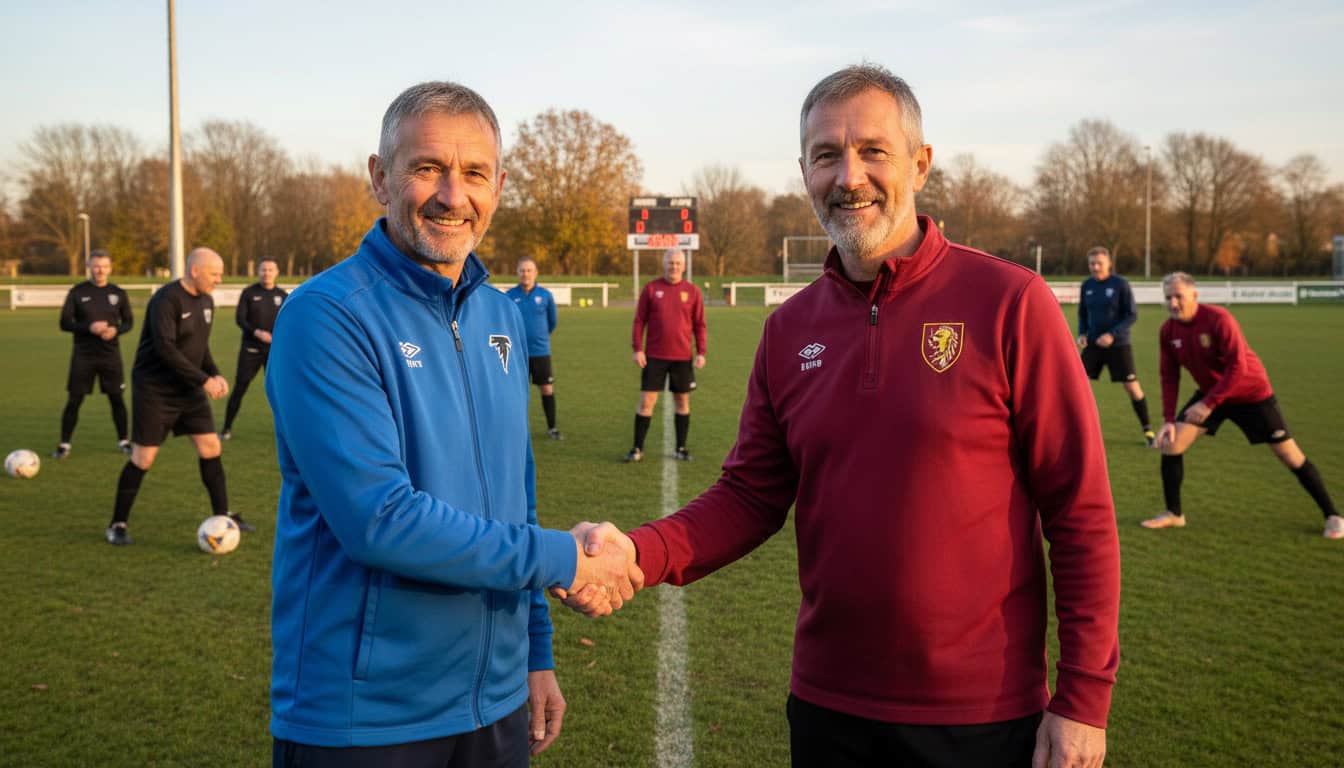
Finding veterans and over-35 football teams requires searching in different places than mainstream adult football. Veterans leagues, walking football programs, county FA veterans sections, social media groups, and dedicated match-finding platforms all connect teams in this growing segment. When reaching out, be clear about your team's intensity expectations, fitness levels, and social versus competitive focus to ensure good matches.
Key Takeaways
- Veterans football is diverse — From former professionals to casual returners, ability and intensity vary widely
- Social fit matters more — Post-match culture and playing philosophy often outweigh pure skill matching
- Dedicated channels exist — Veterans-specific leagues, groups, and platforms serve this community
Understanding the Veterans Football Landscape
Age Categories Explained
Veterans football typically organizes around age thresholds:
| Category | Age Requirement | Common Formats |
|---|---|---|
| Over-35 (Vets) | 35+ on match day | 11-a-side, 9-a-side |
| Over-40 (Super Vets) | 40+ on match day | 11-a-side, 9-a-side |
| Over-45 | 45+ on match day | 9-a-side, 7-a-side |
| Over-50 | 50+ on match day | 9-a-side, 7-a-side |
| Over-55/60+ | 55/60+ on match day | Walking football, small-sided |
Age Verification
Most organized veterans football requires proof of age. Birth certificates or driving licenses are standard for league registration and often for friendlies against new opponents.
The Spectrum of Veterans Football
Veterans teams span a wide range:
Former competitive players
- Ex-professional or semi-professional experience
- High technical ability retained
- Competitive mindset
- Often organized through existing club structures
Lifelong recreational players
- Decades of social football
- Variable ability levels
- Participation focus
- Often independent teams or pub sides
Returning players
- Years away from the game
- Fitness rebuilding
- Social motivation primary
- May join existing teams or form new ones
Walking football converts
- Transitioned from running football
- Lower intensity expectations
- Strong social element
- Often older age brackets
Understanding where your team sits on this spectrum helps you find compatible opponents.
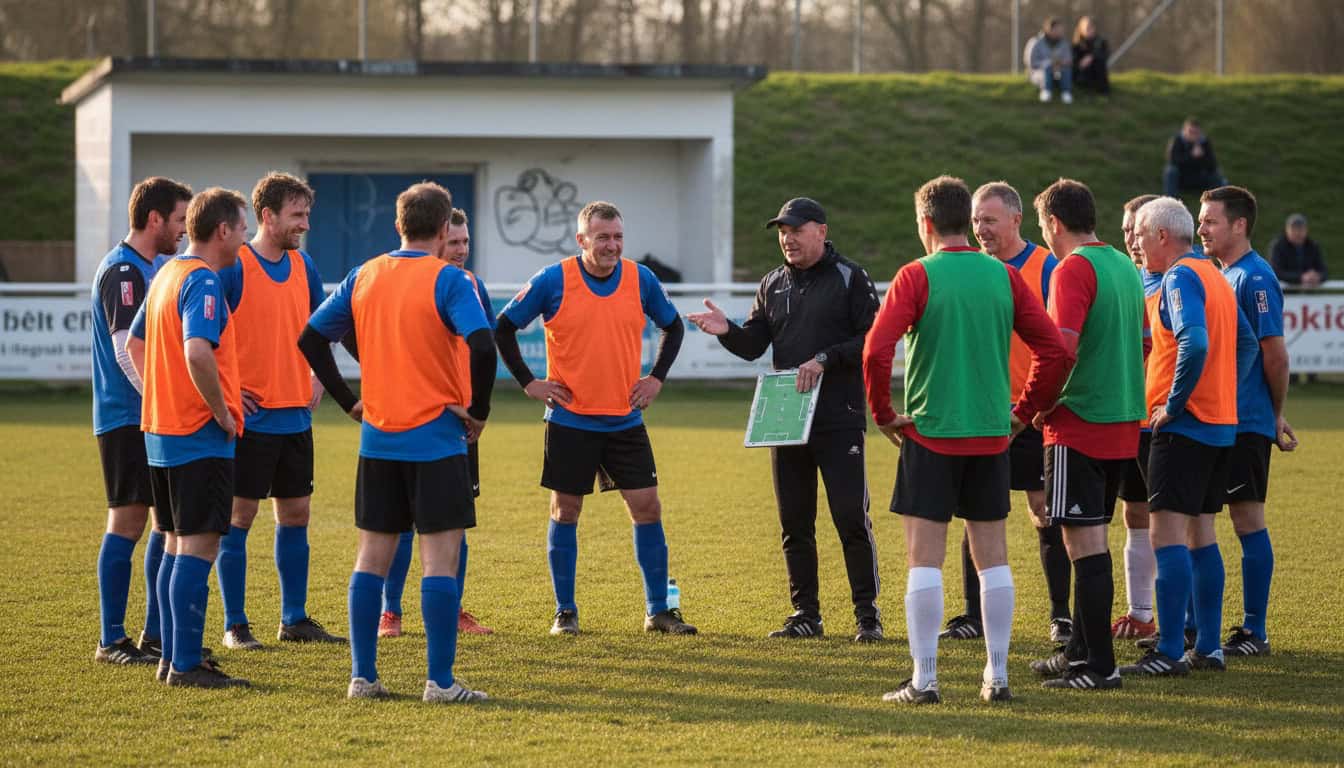
Where to Find Veterans Teams
Veterans Leagues and Competitions
Organized leagues are the richest source of potential opponents:
County FA veterans leagues
Most county FAs run dedicated veterans competitions:
- Over-35 and over-40 leagues common
- Teams registered and vetted
- Contact details available through FA
- Known competitive standards
Independent veterans leagues
Regional and local independent leagues serve veterans:
- Often more flexible rules
- May include social elements
- Varying organization quality
- Good networking opportunities
Veterans cup competitions
Cup competitions bring teams together:
- Entry lists provide contact opportunities
- Post-match networking
- See teams you don't normally face
- Gauge competitive standards
Social Media and Online Communities
Veterans football has active online presence:
Facebook groups
Search for:
- "[County/Region] Veterans Football"
- "Over 35s Football [Location]"
- "Walking Football [Area]"
- "Veterans Friendly Matches"
These groups often post fixture requests and facilitate connections.
Platform-specific communities
Match-finding platforms like Team Game Finder allow filtering by:
- Age category (veterans/over-35)
- Location
- Competitive level
- Availability
Walking Football Networks
Walking football organizations connect teams:
Walking Football Association
National body coordinating walking football:
- Club directories
- Festival and tournament listings
- Regional contacts
Local walking football hubs
Many areas have established walking football programs:
- Regular sessions at sports centers
- Often organize inter-club friendlies
- Gateway to veterans running football
County FA Connections
County FAs support veterans football:
Veterans football officers
Many FAs have dedicated veterans coordinators who can:
- Connect teams seeking fixtures
- Provide contact lists
- Advise on appropriate opponents
FA fixture boards
Some FAs maintain fixture-seeking forums or notice boards for veterans teams.
Club Networks
Established clubs often have veterans sections:
Multi-team clubs
Clubs with first teams, reserves, and youth often run veterans sides:
- Contact through main club
- Often well-organized
- Regular fixture needs
Former player associations
Some clubs maintain veterans teams for former players:
- May welcome external fixtures
- Often high ability level
- Strong organizational backing
Evaluating Potential Opponents
Key Questions to Ask
Before arranging fixtures, clarify:
Intensity expectations
"What's your typical match intensity—competitive throughout or more social pace?"
Fitness levels
"How would you describe your squad's general fitness—match fit, casual, or mixed?"
Rolling substitutions
"Do you use rolling subs? How do you typically manage playing time?"
Background and experience
"What's your squad's football background—mostly ex-league players, social footballers, mix?"
Post-match culture
"Do you usually have a drink/food after matches? Is that important to your group?"
Red Flags in Veterans Football
Watch for misalignment signals:
| Warning Sign | Potential Issue |
|---|---|
| "We're very competitive" when you're social | Intensity mismatch |
| Vague about fitness levels | May be significantly fitter/less fit |
| No interest in post-match socializing | Different priorities |
| Reluctant to discuss ability | Likely mismatch |
| "We have a few younger ringers" | Age rule flexibility |
Trial Match Approach
Veterans football benefits from trial fixtures:
First match as assessment:
- Be honest about uncertainty
- Agree to review afterward
- Discuss format adjustments if needed
- No commitment to repeat
Post-match debrief:
- Was intensity appropriate?
- Did both teams enjoy it?
- Would you want to play again?
- Any adjustments needed?
Communicating with Veterans Teams
Effective Outreach Messages
Sample message for veterans fixture request:
"Hi, we're [Team Name], an over-35 team based in [Location]. We're looking for friendly fixtures against similar teams.
About us:
- Over-35 with most players 38-50
- Mix of ex-league and recreational players
- Train monthly, play friendlies 2x monthly
- Social emphasis—competitive but not intense
- Always have a drink after matches
We're looking for: Similar-level teams who enjoy good football and good company afterward. Saturdays preferred, flexible on venue.
Interested in a fixture?"
What to Include
Essential information:
- Age category (over-35, over-40, etc.)
- Location and travel radius
- Playing background of squad
- Intensity/competitive level
- Social expectations
- Availability patterns
Helpful additions:
- Squad size and typical numbers
- Preferred format (11s, 9s, etc.)
- Home venue facilities
- Any physical limitations common in squad
Ready to find matches?
Join verified teams finding friendly matches in minutes, not days.
Format Considerations for Veterans
Adapting Match Formats
Veterans football often modifies standard formats:
Reduced duration
- 30-minute halves common
- 25-minute thirds for older age groups
- Built-in drink breaks
Smaller sided
- 9-a-side popular for over-40+
- 7-a-side for older categories
- Reduces physical demands
Rolling substitutions
- Unlimited substitutions
- Players can return after being subbed
- Allows everyone adequate playing time
Modified rules
- Retreat lines on goal kicks
- No slide tackles
- Height restrictions on headers (walking football)
Best practice: Discuss format expectations before arranging fixtures to ensure both teams align.
Physical Considerations
Veterans matches should acknowledge:
Warm-up importance
- Longer warm-ups essential
- Injury prevention focus
- Allow time for proper preparation
Recovery time
- Players need more recovery between matches
- Spacing fixtures appropriately
- Avoiding fixture congestion
Injury management
- Higher injury risk with age
- Cautious approach to physical challenges
- Respect for players managing conditions
Fitness variation
- Wider fitness ranges within squads
- Substitution patterns accommodate this
- No expectation of 90-minute performances
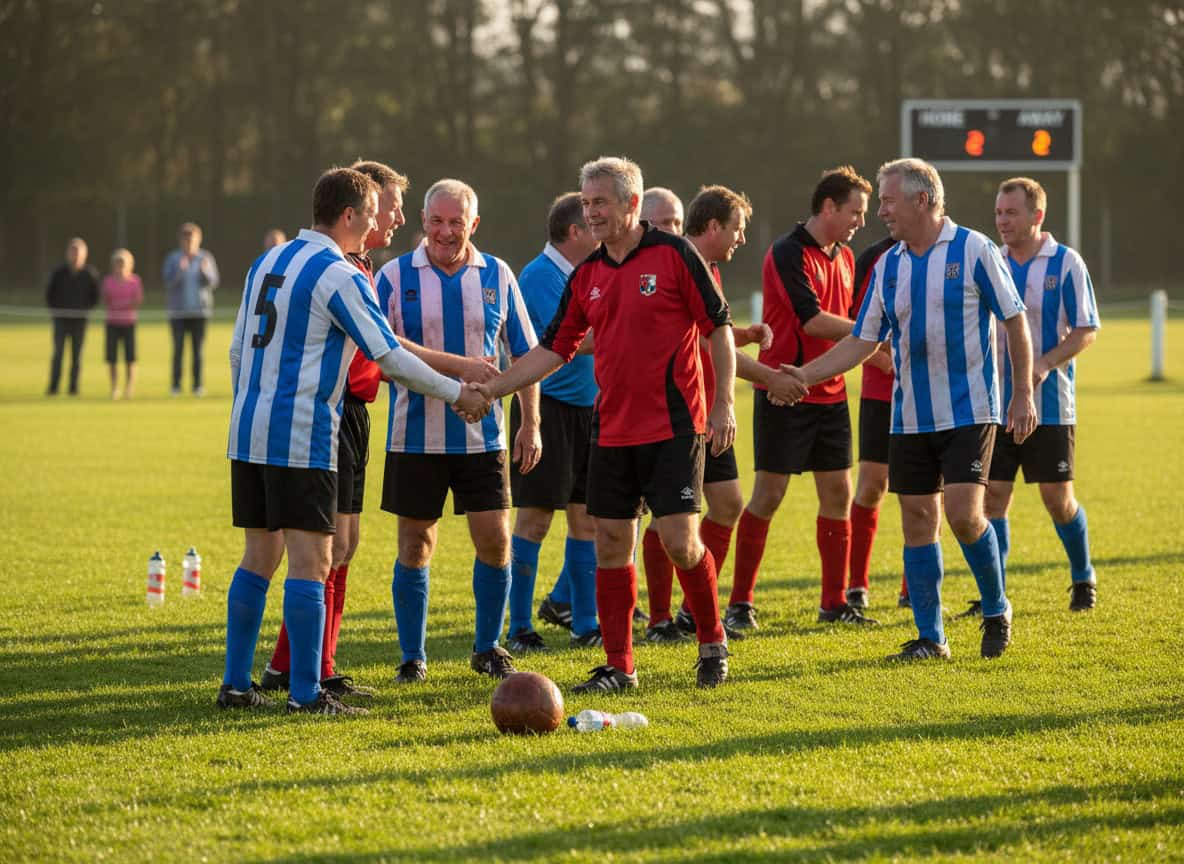
Building Veterans Fixture Networks
The Value of Regular Opponents
Veterans football particularly benefits from regular relationships:
Familiarity reduces injury risk
Known opponents play predictably—fewer surprises mean fewer injuries.
Social bonds develop
Regular fixtures become social events—the football is part of a broader relationship.
Format consistency
Established opponents agree on format, intensity, and expectations without negotiation.
Reliability increases
Regular opponents honor commitments—the relationship matters beyond single fixtures.
Network Building Strategy
Start with similar teams:
- Match your team's profile as closely as possible
- Social teams with social teams
- Competitive with competitive
Build gradually:
- 3-4 reliable regulars is better than 10 unreliable contacts
- Add new teams slowly
- Prioritize quality over quantity
Maintain relationships:
- Communicate between seasons
- Schedule fixtures early
- Remember the social dimension
Cross-age networking:
Over-35 teams naturally know over-40 teams—as players age, relationships continue.
Special Situations
Mixed-Age Friendlies
Sometimes veterans teams play younger opposition:
When it works:
- Clear expectations about intensity
- Younger team adjusts pace
- Developmental purpose (youth team vs experience)
- Social fixture with understanding
When it doesn't:
- Physical intensity mismatch
- Injury risk for veterans
- Frustration for both sides
- Unclear expectations
Mixed-Age Tip
If arranging mixed-age fixtures, be explicit about expectations and agree on format modifications before kickoff.
Corporate and Workplace Veterans Teams
Company teams often include veterans players:
Finding corporate teams:
- Business parks and industrial estates
- Professional networks
- LinkedIn groups
- Local business associations
Characteristics:
- Often social emphasis
- Variable commitment
- May have facility access
- Networking opportunities beyond football
Tournament and Festival Participation
Veterans tournaments offer fixture opportunities:
Benefits:
- Multiple opponents in one event
- Network expansion
- Gauge your level against variety
- Social elements
Finding tournaments:
- County FA calendars
- Veterans football social media
- Walking football organization events
- Word of mouth through network
Veterans Football Etiquette
On-Pitch Expectations
Veterans football has unwritten codes:
Physical contact
- Reduce slide tackles
- Pull out of risky challenges
- Respect players managing injuries
- Competitive but careful
Tempo management
- Allow natural breaks in play
- No pressing relentlessly
- Acknowledge fitness variation
- Quality over intensity
Communication
- Warn before challenges
- Apologize for heavy contact
- Check on players who go down
- Talk positively
Off-Pitch Culture
The social dimension matters:
Post-match traditions
- Drinks after most fixtures
- Sometimes food provided
- Extends the occasion
- Builds relationships
Hospitality expectations
- Home team often provides refreshments
- Reciprocate when hosting
- Budget for social elements
- Part of the fixture cost
Conversation and connection
- Football talk, but not only football
- Interest in opponents as people
- Long-term relationship building
- Community aspect
Growing the Veterans Scene
Starting a Veterans Team
If you can't find suitable opponents, consider whether the answer is creating more teams:
Recruit from existing networks:
- Former teammates
- Social connections
- Workplace contacts
- Other sports participants
Connect with local FA:
- Register your team
- Access support and resources
- Join organized competitions
- Gain credibility
Build fixture list gradually:
- Start with casual friendlies
- Establish your level
- Develop reliable relationships
- Consider league entry once stable
Supporting Veterans Football Development
Active veterans players can help grow the scene:
Welcome new teams:
- Fixture emerging teams
- Share organizational knowledge
- Introduce to your network
Participate in festivals:
- Support organized events
- Bring new teams into community
- Extend the network
Promote inclusively:
- Veterans football for all backgrounds
- Not just former elite players
- Social and competitive pathways
Summary
Veterans and over-35 football represents a diverse and growing segment with specific considerations for finding opponents. The landscape spans from highly competitive ex-professional teams to purely social participation groups, with everything in between.
Finding veterans opponents requires searching through dedicated channels: county FA veterans sections, veterans leagues, Facebook groups, walking football networks, and match-finding platforms with age filters. When reaching out, be explicit about your team's intensity expectations, fitness levels, and social culture—these factors matter as much as skill level in veterans football.
Format considerations differ from mainstream adult football. Shorter halves, smaller-sided games, rolling substitutions, and modified rules are common. Physical safety receives greater emphasis, with unwritten codes about reducing risky challenges and respecting players managing conditions.
The social dimension distinguishes veterans football. Post-match drinks and relationship building are integral to the culture. Regular opponents become more than fixture partners—they become part of an ongoing community. Build your network around teams who share your approach to both the football and the social elements.
Frequently Asked Questions
What age do you need to be for veterans football?
Most veterans football starts at over-35, with players needing to be 35 on the day of the match. Categories then progress to over-40, over-45, over-50, and beyond. Some competitions require reaching the age threshold by a specific date in the season.
How competitive is veterans football?
It varies enormously. Some veterans leagues are highly competitive with ex-professional players. Others are purely social with emphasis on participation. Always ask about intensity expectations before arranging fixtures.
Can younger players play in veterans matches?
Generally no—age restrictions exist to protect the nature of veterans football. Some teams allow occasional younger players in friendlies by mutual agreement, but this should be discussed and agreed explicitly.
How do I find veterans teams in my area?
Start with your county FA veterans football section, search Facebook for local veterans groups, check match-finding platforms with veterans filters, and ask at local clubs whether they have veterans sections.
What format do veterans matches typically use?
Varies by age and preference. Over-35 often plays standard 11-a-side with 30-minute halves. Older categories frequently use 9-a-side or 7-a-side. Rolling substitutions are almost universal. Discuss format before arranging fixtures.
Is veterans football safe for players returning after years away?
With appropriate preparation, yes. Start with walking football or casual kickabouts before competitive matches. Warm up thoroughly, don't overextend early, and listen to your body. Veterans football accommodates various fitness levels.
What should I expect from post-match socializing in veterans football?
Most veterans teams expect some social time after matches—often drinks at a nearby pub. This is part of the culture and helps build relationships. If your team doesn't socialize, mention this when arranging fixtures to avoid awkwardness.
How do veterans teams handle players with injuries or conditions?
Accommodatingly. Rolling subs allow managing playing time. Many veterans play with ongoing conditions. Communication helps—let opponents know if you need particular consideration, and don't be embarrassed about limitations.
Are there veterans football tournaments and festivals?
Yes, many. County FAs organize veterans cups, walking football associations run festivals, and independent tournaments exist across the country. These are great for finding new opponents and building networks.
How do I start a veterans team if none exist locally?
Recruit through existing networks—former teammates, work colleagues, social contacts. Register with your county FA for support and credibility. Start with casual friendlies to establish your level, then consider league entry once stable.
Ready to find your next match?
Join verified teams finding opponents in minutes.
Create your free accountNo credit card required