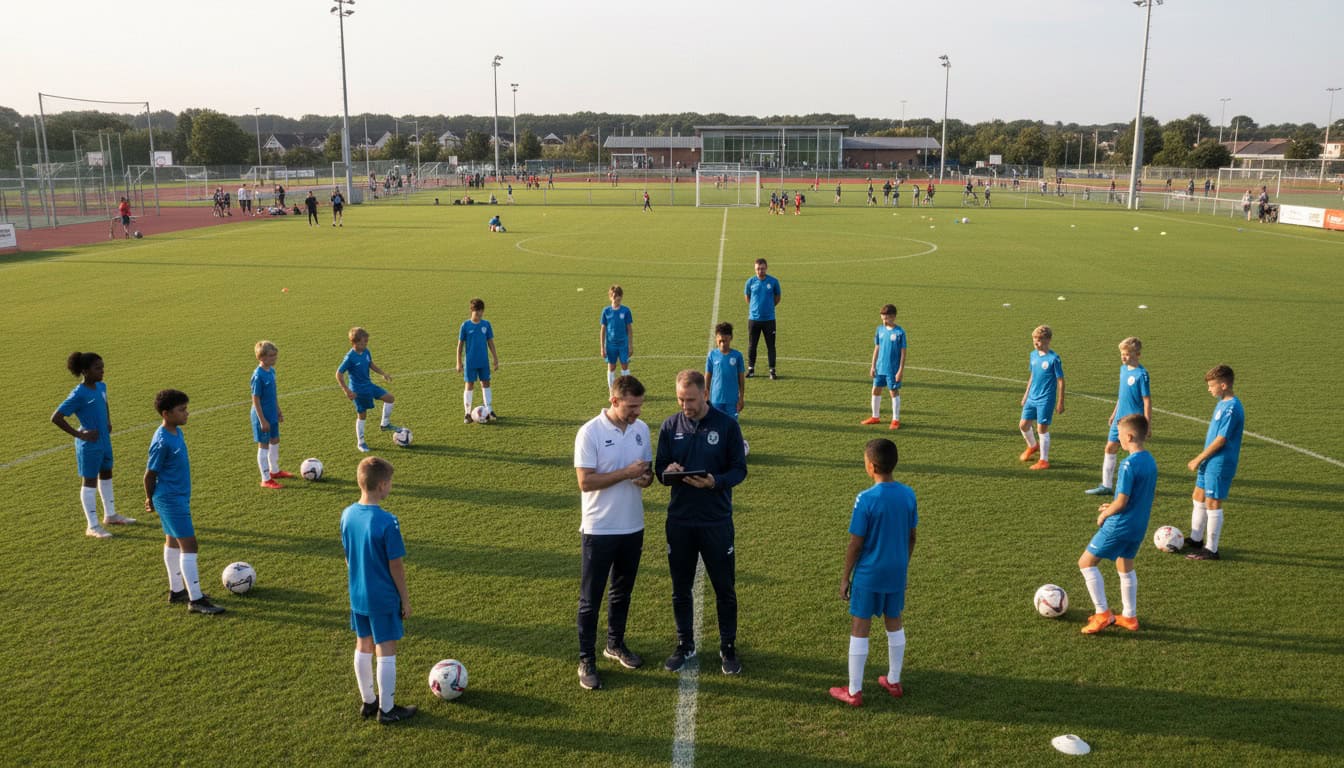
Answer: Manage venue booking effectively by building relationships with facility managers, booking well in advance, securing regular recurring slots, having backup venues identified, and understanding the booking process and cancellation policies for each venue you use.
- Build relationships: Know your venue managers by name
- Book early: Secure slots before they fill
- Have backups: Alternative venues when primary unavailable
Author: Team Game Finder Editorial Team
Expertise: Sports facility management, venue coordination, team logistics
Why Venue Management Matters
Good venue management means:
- Reliable training sessions
- Home matches with consistent location
- Cost-effective booking
- Reduced last-minute scrambling
Poor venue management causes:
- Cancelled sessions
- Expensive emergency bookings
- Player frustration
- Home advantage lost
Types of Sports Venues
Training Venues
| Venue Type | Pros | Cons |
|---|---|---|
| 3G/4G pitches | All-weather, consistent | Higher cost |
| Grass pitches | Natural surface, cheaper | Weather dependent |
| Indoor halls | Weather-proof, lighting | Limited space |
| School facilities | Often affordable | Limited availability |
| Private facilities | Quality | Premium pricing |
Match Venues
Requirements for matches:
- Appropriate pitch size
- Goal posts and nets
- Changing facilities
- Parking availability
- First aid access
- Referee facilities (if required)
Building Venue Relationships
Key Contacts
Know these people:
| Role | What They Control |
|---|---|
| Facility manager | Overall booking, policies |
| Booking coordinator | Specific slot allocation |
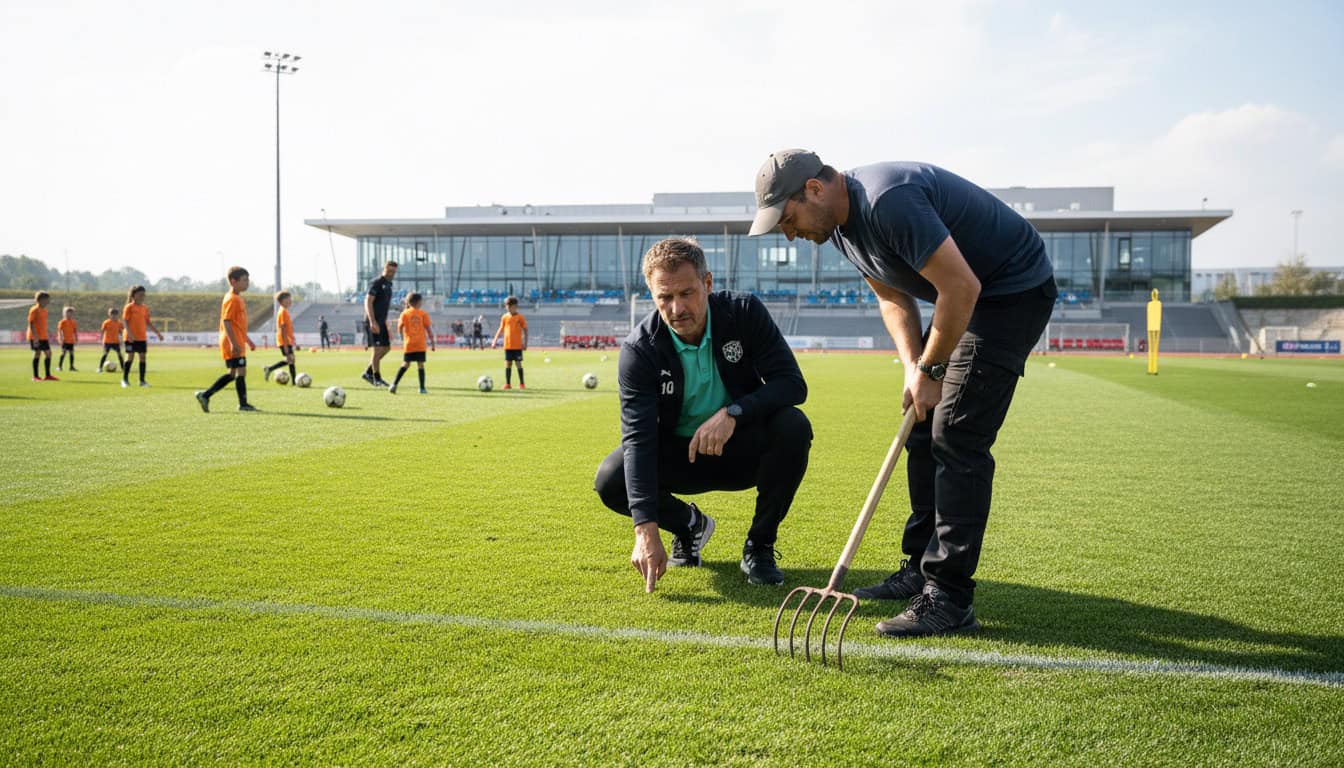
| Groundsman | Pitch condition, playability calls |
| Caretaker | Access, lights, setup |
Relationship Building
How to build goodwill:
- Be reliable (show up, pay on time)
- Leave facilities clean
- Report problems constructively
- Thank staff regularly
- Respect their processes
Why it matters:
- Priority when slots are competitive
- Flexibility when you need it
- Better communication about issues
- Understanding when problems arise
Booking Strategies
Advance Booking
When to book:
| Booking Type | Advance Notice |
|---|---|
| Season-long training | Pre-season (June/July) |
| Regular home slot | 2-3 months ahead |
| Individual matches | 2-4 weeks ahead |
| One-off events | As soon as planned |
Regular vs. One-Off Bookings
Regular booking benefits:
- Guaranteed slot
- Often discounted rates
- Less admin effort
- Player predictability
Approach for regular booking:
"We'd like to book the 7pm-8:30pm slot every Tuesday from September through May. Can we set up a regular booking at the recurring rate?"
Block Booking
For tournaments or intensive periods:
- Book multiple dates at once
- Often get discount for bulk
- Secures availability
- Reduces admin
Understanding Costs
Typical Pricing Structures
| Venue Type | Pricing Model |
|---|---|
| Council facilities | Per hour, often discounted for clubs |
| Private 3G/4G | Per hour, peak vs. off-peak |
| Schools | Per session, varies widely |
| Club-owned | Member rates vs. hire rates |
Cost Management
Reduce costs by:
- Booking off-peak times (before 6pm, after 9pm)
- Regular booking discounts
- Club/organization rates
- Sharing with other teams
- Long-term commitment deals
Budget Planning
Include in your budget:
- Training venue costs
- Match venue costs (if not free)
- Cancellation fees
- Deposit requirements
- Emergency booking buffer
Booking Processes
Common Booking Methods
| Method | Venues Using |
|---|---|
| Online booking system | Modern facilities |
| Email request | Many council venues |
| Phone booking | Traditional facilities |
| In-person | Small local venues |
| App-based | Commercial providers |
What to Confirm
Every booking should confirm:
- Date and time
- Specific pitch/area
- Cost and payment terms
- Cancellation policy
- Access arrangements
- Equipment available
- Contact for issues
Backup Venue Planning
Why Backups Matter
Primary venue may be unavailable due to:
- Weather (grass pitches)
- Maintenance
- Double-booking errors
- Priority events
- Unexpected closures
Backup Venue Checklist
Identify 2-3 alternatives with:
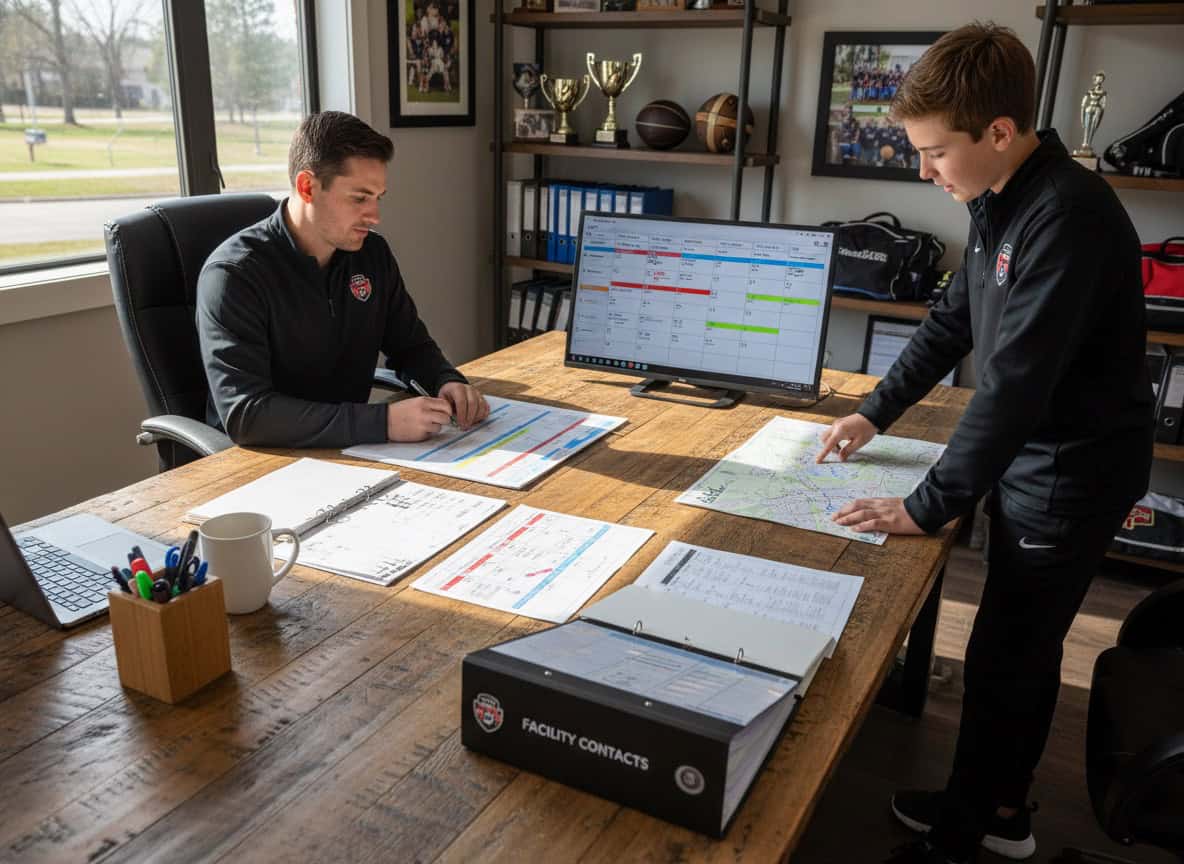
- Contact details documented
- Booking process understood
- Rough cost known
- Location acceptable for team
- Availability patterns known
Emergency Protocol
When primary venue fails:
- Contact backup venues immediately
- Book first available suitable option
- Communicate change to team
- Update all calendar entries
- Document for future reference
Facility Maintenance and Setup
Your Responsibilities
Before use:
- Check pitch condition
- Inspect goals and nets
- Note any hazards
- Report issues to facility
During use:
- Respect facility rules
- Supervise your group
- Control litter
- Report incidents
After use:
- Leave pitch clean
- Return equipment
- Secure any gates/doors
- Report any damage
Shared Facility Etiquette
When sharing with other teams:
- Stick to your allocated time
- Coordinate pitch division fairly
- Share goals and equipment
- Communicate directly if issues arise
Weather and Playability
Grass Pitch Considerations
Factors affecting playability:
- Recent rainfall
- Drainage quality
- Time of year
- Frost conditions
Pitch inspection protocol:
- Contact groundsman/facility morning of
- Agree inspection timing
- Accept their decision
- Have backup ready
All-Weather Pitches
3G/4G pitches usually playable unless:
- Extreme weather (lightning, high winds)
- Snow accumulation
- Facility closure
Advantage: More reliable for scheduling
Technology and Booking Systems
Online Booking Platforms
Common systems:
- Better (leisure centers)
- OpenPlay (multi-sport)
- Pitchbooking (football specific)
- Facility-specific systems
Features to use:
- Recurring bookings
- Favorite venues
- Payment management
- Cancellation handling
Calendar Integration
Sync bookings with team calendar:
- Automatic entry creation
- Reminder setup
- Change tracking
- Player visibility
How This Relates to Scheduling
Venue management connects to your broader approach:
- Sports Team Scheduling Hub: Overall scheduling strategy
- Recurring Match Slots: Regular venue booking
- Season Calendar: Planning venue needs
- Last-Minute Changes: Handling venue failures