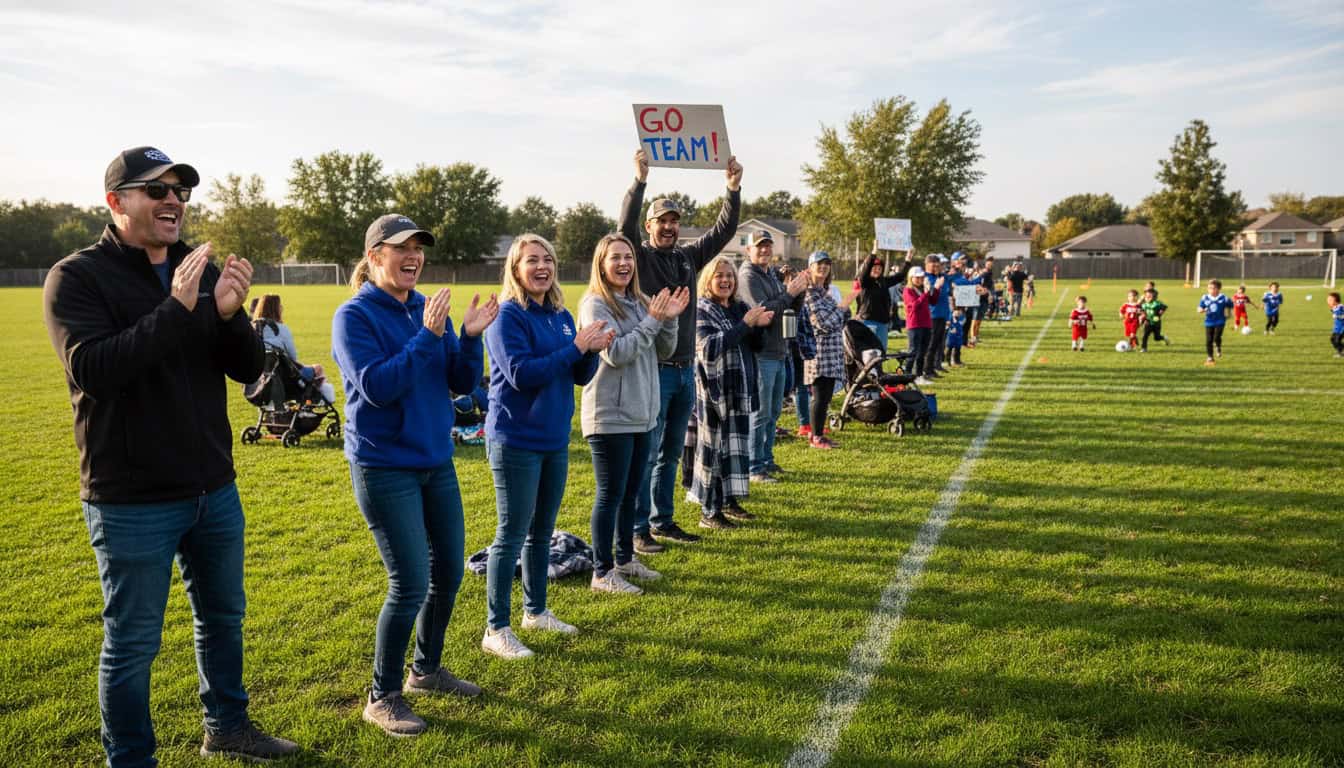
Engage parents in youth football by setting clear expectations from registration, communicating regularly about your development philosophy, creating meaningful involvement opportunities, and managing sideline behavior through agreed codes of conduct.
Key Takeaways
- Set expectations early: Clear philosophy and behavior standards from day one
- Communicate consistently: Regular updates on what you're working on and why
- Channel energy positively: Give engaged parents meaningful ways to contribute
Why Parent Engagement Matters
Parents can be your greatest asset or biggest challenge. Proactive engagement transforms potential problems into partnerships.
Engaged parents:
- Support their child's development
- Volunteer time and skills
- Model positive behavior
- Reinforce coaching messages
- Build club community
Disengaged or misaligned parents:
- Undermine coaching
- Create sideline problems
- Pressure children inappropriately
- Damage team atmosphere
Your approach determines which you get.
Setting the Tone from Day One
Registration and Onboarding
From first contact, communicate:
Your philosophy:
- Development over results
- How you define success
- What players will experience
- Your approach to playing time
Parent expectations:
- Sideline behavior standards
- Communication protocols
- Volunteer expectations
- Financial obligations
How you'll work together:
- Regular updates provided
- Questions welcomed
- Feedback mechanisms
- Problem resolution process
Parent Code of Conduct
Have parents sign a code of conduct covering:
As a parent/guardian, I agree to:
- Encourage my child and all players positively
- Respect coaches, officials, and opponents
- Let coaches coach during sessions and matches
- Raise concerns privately, not on the sideline
- Support my child win or lose
- Model the behavior I want my child to show
- Follow club communication protocols
- Fulfill volunteer commitments made
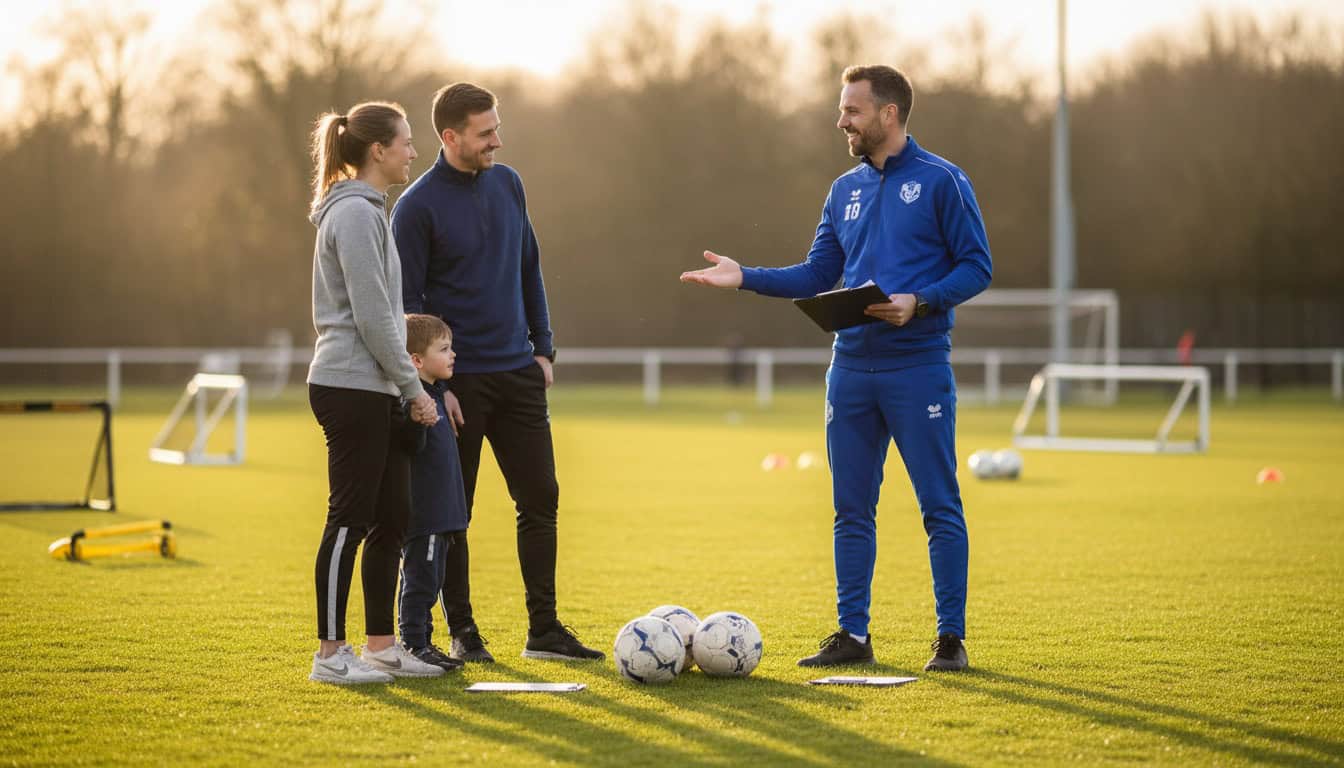
Communication Strategy
Regular Updates
Keep parents informed about:
| Topic | Frequency | Method |
|---|---|---|
| Session content | Weekly | Brief message |
| Development focus | Monthly | Email or meeting |
| Match information | Per match | Team messaging |
| Club news | As needed | Email/social media |
What to Communicate
The "why" behind decisions:
- Why you're working on specific skills
- Why playing time may vary (older ages)
- Why results matter less than development
- Why you make team selections
How parents can help:
- Reinforcing messages at home
- Practice activities
- Supporting without pressuring
- Being positive role models
Communication Channels
| Channel | Best For |
|---|---|
| WhatsApp/Team app | Quick logistics |
| Detailed information | |
| In-person meetings | Important discussions |
| One-to-one | Sensitive conversations |
Parent Education
Helping Parents Understand Development
Many parents don't know what good youth football looks like. Educate them:
Workshop topics:
- How children develop as footballers
- Why we play certain formats
- What to watch for (not just goals)
- How to support without pressuring
Share resources:
- FA parent resources
- Articles on youth development
- Videos explaining your approach
Reframing Success
Help parents see beyond winning:
| Instead of... | Focus on... |
|---|---|
| "Did you win?" | "Did you enjoy it?" |
| "Did you score?" | "What did you learn?" |
| "You should have..." | "What would you try next time?" |
| Match results | Individual improvement |
Managing Sideline Behavior
Prevention
Clear expectations: Communicate standards before issues arise
Physical setup:
- Designated spectator areas (away from pitch)
- "Respect" barriers or zones
- Parents on opposite side to coaches
Positive culture: Praise good sideline behavior publicly
When Problems Occur
In the moment:
- Brief, calm word if safe to do so
- Focus on the child's experience
- Don't escalate publicly
After the match:
- Private conversation
- Specific about the behavior (not the person)
- Explain impact on children
- Agree on improvement
Persistent issues:
- Formal meeting with club leadership
- Written warning if needed
- Ultimately, ask them to leave if behavior doesn't change

Creating Involvement Opportunities
Volunteer Roles
Channel parent energy into useful contribution:
| Role | Commitment | Suited to |
|---|---|---|
| Team manager | Regular | Organized parent |
| Match-day helper | Match days | Available parent |
| Kit coordinator | Weekly | Reliable parent |
| Transport coordinator | Match days | Connected parent |
| Social organizer | Periodic | Outgoing parent |
| Fundraising | Project-based | Networked parent |
Making Involvement Meaningful
- Give real responsibility
- Thank and recognize contributions
- Include volunteers in decisions
- Create community among parent volunteers
Handling Difficult Conversations
When Parents Disagree with You
Listen first: Understand their concern
Explain your reasoning: Help them see your perspective
Find common ground: You both want the best for their child
Stand firm when needed: Development philosophy isn't negotiable
Common Difficult Topics
Playing time (older ages):
"I understand you want [player] to play more. Here's what they're working on in training. When they show [specific improvement], they'll earn more minutes."
Selection:
"Selection is based on training performance, attitude, and what the team needs. I'm happy to discuss specifically what [player] can work on."
Other players:
"I can't discuss other players with you. I'm happy to talk about [your child]'s development."
How This Relates to Youth Development
Parent engagement connects to your broader approach:
- Building a Youth Football Academy: Parents are key stakeholders
- Managing Parent Expectations: Setting appropriate expectations
- Recruit and Retain Volunteers: Parents as volunteer pool
- Safeguarding in Youth Sports: Parent behavior affects child welfare