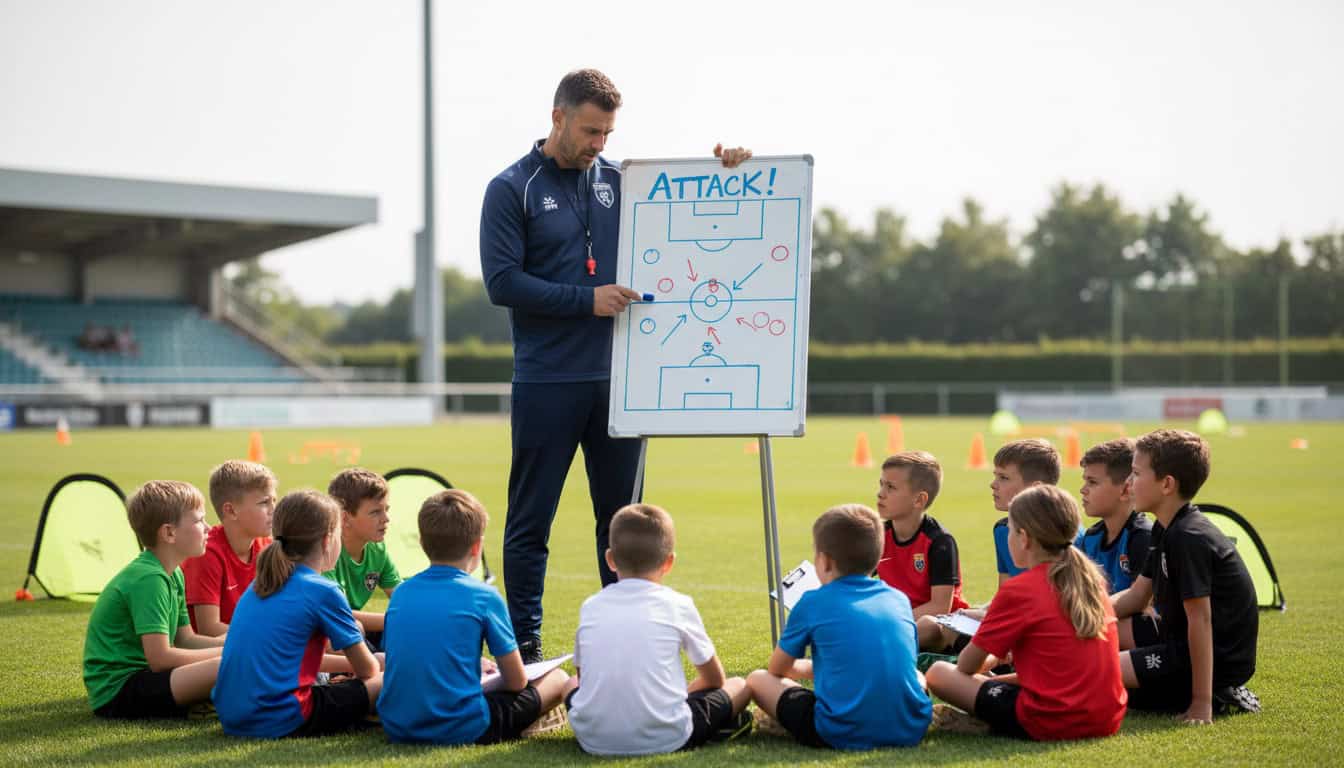
Hire youth coaches by prioritizing character and coachability over playing experience, conducting proper safeguarding checks, and then investing in their development through qualifications, mentoring, and ongoing support to build a coaching team that delivers quality youth football.
Key Takeaways
- Character first: Values and attitude matter more than football CV
- Qualify and train: Invest in coaching education and development
- Support continuously: Mentoring, feedback, and a coaching community
What Makes a Good Youth Coach
Essential Qualities
| Quality | Why It Matters |
|---|---|
| Patience | Children develop at different rates |
| Communication | Must connect with players, parents, colleagues |
| Enthusiasm | Energy and positivity are contagious |
| Reliability | Players and families depend on consistency |
| Coachability | Willingness to learn and improve themselves |
| Child-centered | Puts player welfare above winning |
Playing Experience: Helpful but Not Essential
Good players don't automatically make good coaches. Prioritize:
- Ability to explain and demonstrate clearly
- Understanding of how children learn
- Patience with mistakes and development
- Passion for helping others improve
Someone who struggled as a player may better understand learning challenges.
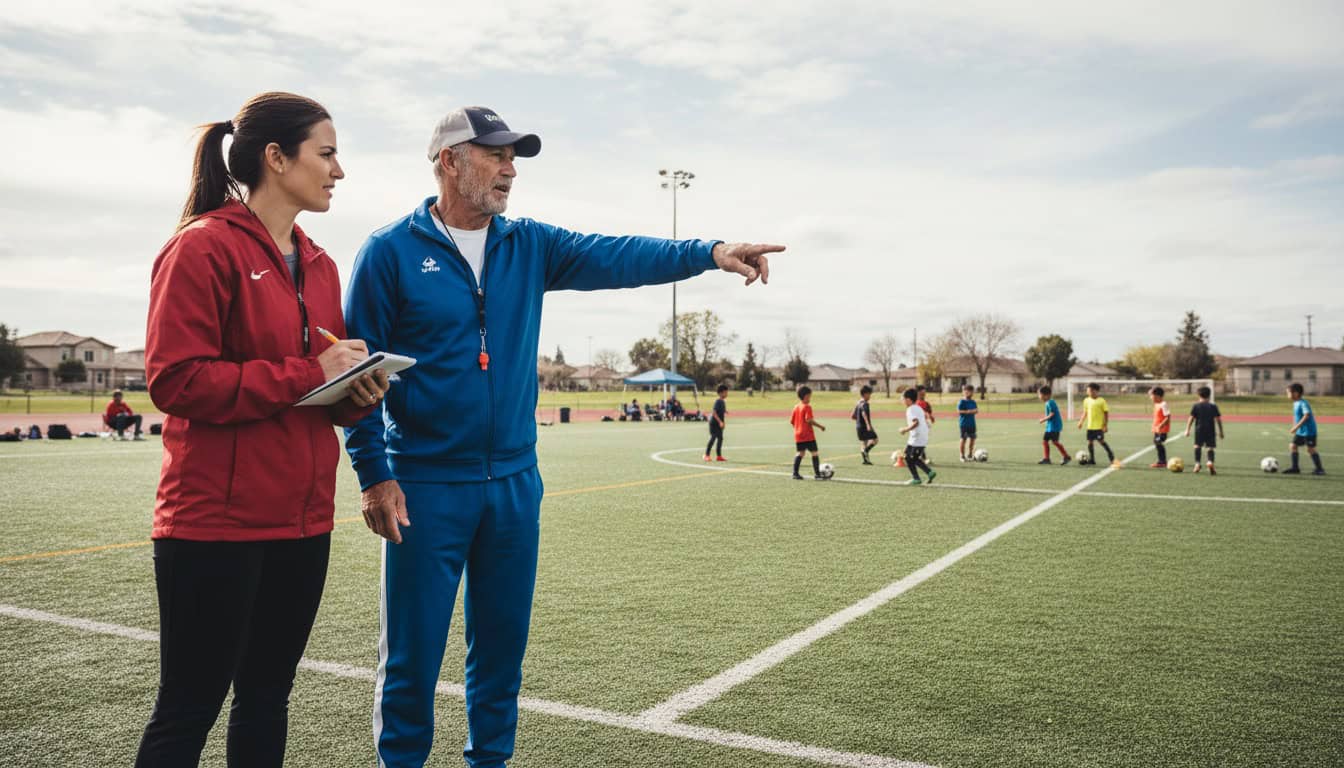
Recruitment Process
Where to Find Coaches
Internal sources:
- Parents of current players
- Former players who've aged out
- Club members with interest
- Partners of existing volunteers
External sources:
- Local colleges (sports students)
- Coaching course graduates
- Community volunteers
- FA Coach Finder database
The Selection Process
Step 1: Informal conversation
- Understand their motivation
- Explain the role and commitment
- Assess initial suitability
Step 2: Observation
- Watch them interact with children
- See how they respond to feedback
- Assess coaching potential (not current skill)
Step 3: Formal checks
- DBS check (Enhanced, Child Workforce)
- FA Safeguarding course
- References if available
Step 4: Trial period
- Supervised coaching experience
- Support and feedback
- Mutual assessment of fit
Essential Requirements
Non-Negotiables
Every youth coach must have:
| Requirement | Details |
|---|---|
| DBS Check | Enhanced, Child Workforce category |
| Safeguarding Training | FA Safeguarding Children course |
| First Aid | Emergency First Aid for Sport |
| FA Registration | Registered through your club |
Recommended Qualifications
| Qualification | Level | Ideal For |
|---|---|---|
| FA Playmaker | Free, introductory | All volunteers |
| FA Level 1 | Foundation coaching | Regular coaches |
| FA Level 2 | Deeper development | Lead coaches |
| FA Youth Awards | Age-specific | Youth specialists |
Training and Development
Initial Induction
Before they start coaching:
- Club philosophy and values
- Safeguarding procedures
- Session planning basics
- Communication expectations
- Emergency procedures
Ongoing Development
Formal education:
- FA courses (fund where possible)
- CPD workshops
- Specialist courses (goalkeeping, etc.)
Informal learning:
- Observing experienced coaches
- Peer coaching discussions
- Video analysis of sessions
- Reflection on practice
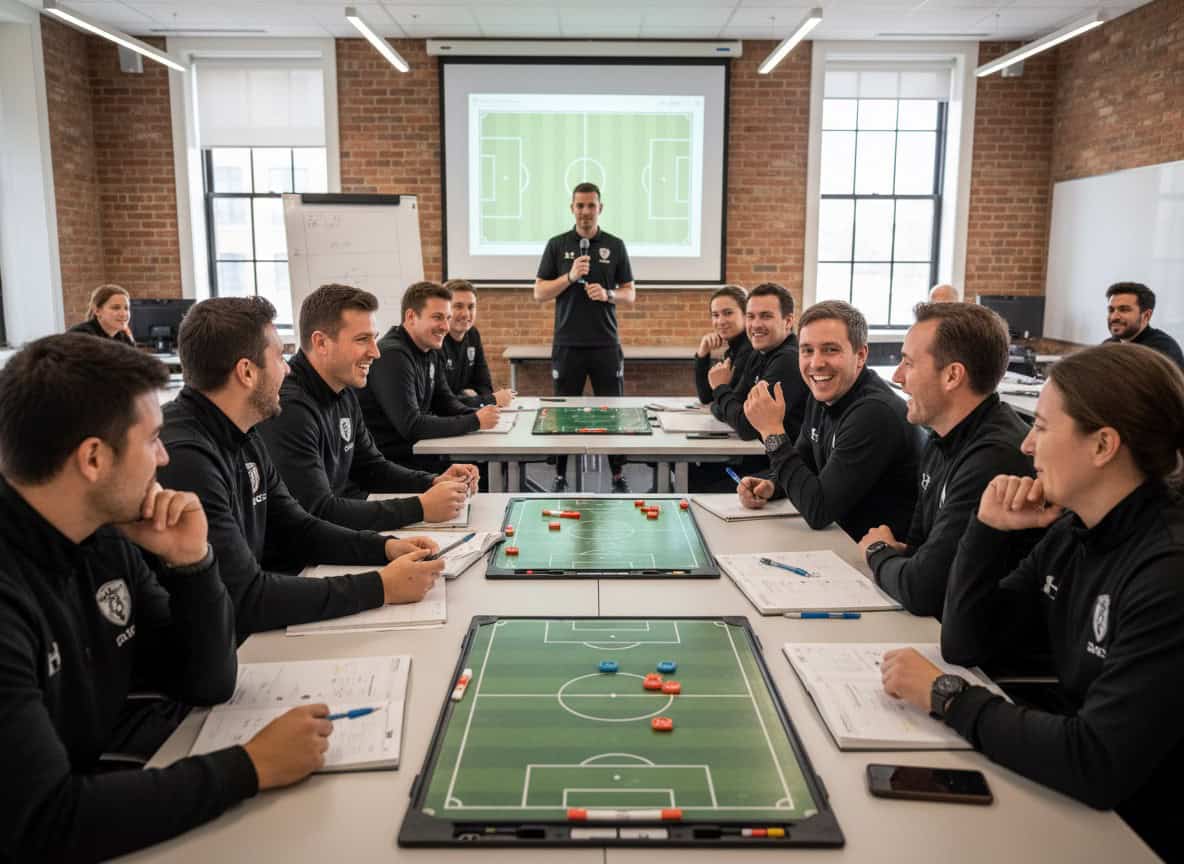
Mentoring Program
Pair new coaches with experienced mentors:
Mentor's role:
- Answer questions
- Provide feedback on sessions
- Share resources and ideas
- Support through challenges
- Model good practice
Structure:
- Initial intensive support (first 4-6 weeks)
- Regular check-ins (monthly)
- Open door for questions anytime
Supporting Your Coaching Team
Creating a Coaching Community
Coaches stay when they feel part of something:
- Regular coaches' meetings
- Social events
- Shared planning time
- Collective problem-solving
- Recognition and appreciation
Providing Resources
Make coaching easier:
- Session plan templates
- Equipment access
- Video resources
- Age-appropriate activity banks
- Admin support
Giving Feedback
Coaches need to know how they're doing:
Positive approach:
- Regular informal feedback
- Specific praise for good practice
- Constructive suggestions for improvement
- Annual formal review
Address issues early:
- Don't let problems fester
- Private conversations about concerns
- Clear expectations and support to improve
- Consequences if standards aren't met
Retention Strategies
Why Coaches Leave
| Reason | Prevention Strategy |
|---|---|
| Time demands | Realistic expectations, share workload |
| Feeling undervalued | Regular appreciation, recognition |
| Lack of support | Training, mentoring, resources |
| Conflict | Address issues early, good communication |
| Burnout | Manage workload, encourage breaks |
Why Coaches Stay
- Feeling valued and appreciated
- Seeing players develop
- Being part of a community
- Continued personal development
- Making a difference
How This Relates to Youth Development
Coach recruitment and development connects to:
- Building a Youth Football Academy: Coaches are the academy's foundation
- Age-Appropriate Training: Coaches must understand developmental stages
- Recruit and Retain Volunteers: Coaches are key volunteers
- Safeguarding in Youth Sports: Coach vetting is essential